The Oracle of Pasadena: Charles Munger's impact on investing, business, and beyond

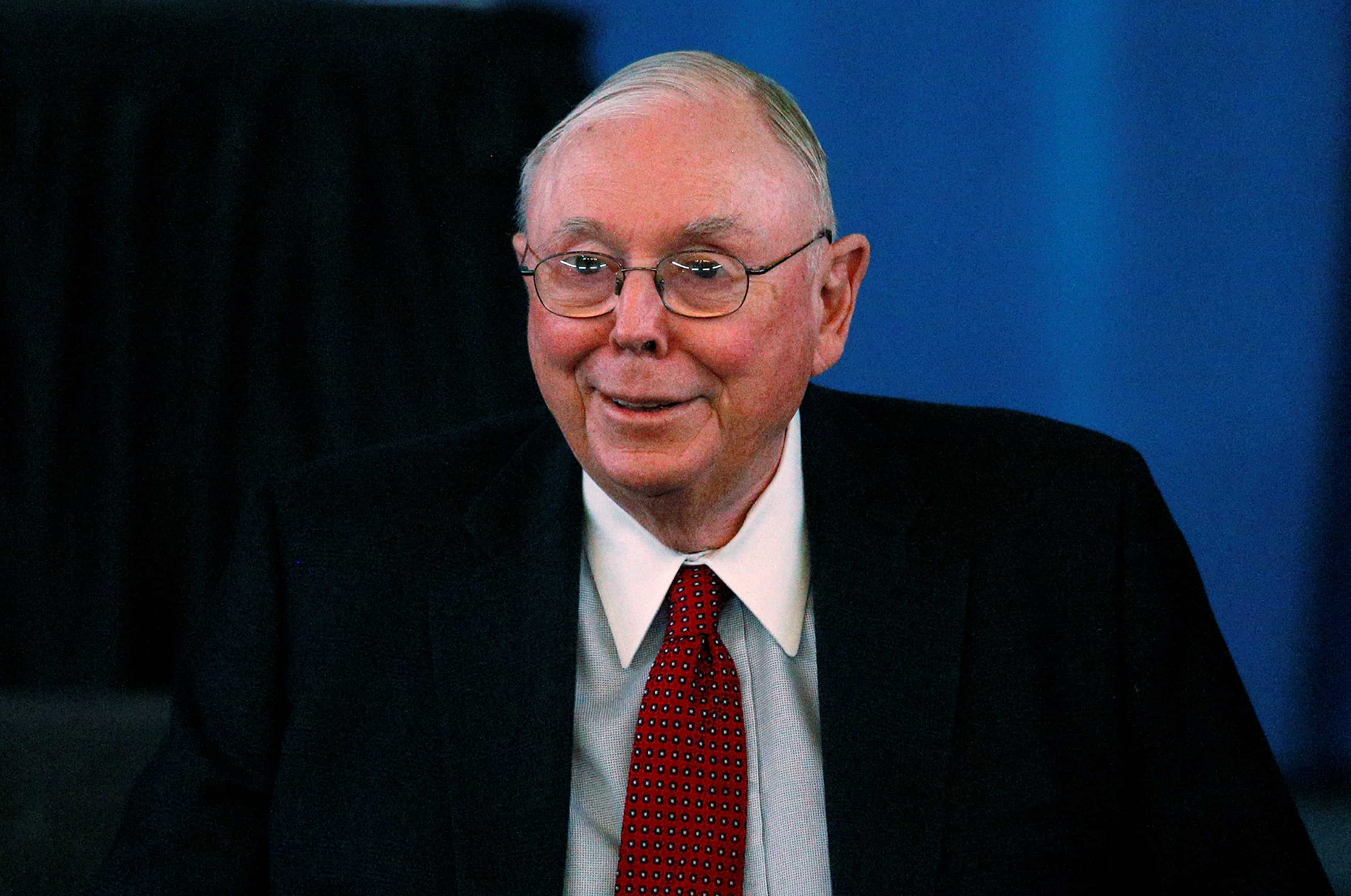
Charlie Munger
Charles Munger, the influential vice chairman of Berkshire Hathaway and long-time confidante of Warren Buffett, died on Tuesday at the age of 99. Munger's journey from working for Buffett's grandfather during the Great Depression to becoming a key figure in Berkshire's success is a remarkable tale of business acumen and enduring partnership.
The formative years
Born on January 1, 1924, Munger's early connection with Buffett's family set the stage for a unique partnership. Despite a significant age gap, their paths crossed in Omaha, Nebraska, where Munger worked part-time at a grocery run by Buffett's grandfather. Later, Munger's trajectory led him to the University of Michigan and eventually Harvard Law School, shaping his diverse skill set.
Meeting of minds
The encounter between Munger and Buffett in 1959 laid the foundation for a partnership that would shape the investment landscape. United by the principles of value investing, inspired by economist Benjamin Graham, they sought well-run companies with undervalued stocks, avoiding the pitfalls of fleeting trends.
The Berkshire era
Munger officially joined forces with Buffett at Berkshire Hathaway in 1975, becoming vice chairman in 1978. Despite political differences and divergent personal interests, their collaboration thrived. Munger's architectural passion and Buffett's financial savvy complemented each other, creating a powerhouse that transformed Berkshire into a multi-billion dollar conglomerate.
Investing wisdom and wit
Known for his blunt one-liners, Munger's commentary on investing, the economy, and human nature resonated globally. From likening bankers to 'heroin addicts' to dismissing Bitcoin as 'rat poison,' Munger's wit was a hallmark of Berkshire's annual meetings. His philosophy emphasised the importance of avoiding stupidity rather than relying solely on brilliance.
Munger's impact extended beyond the business realm. A philanthropist pledging over $100 million to build housing at the University of Michigan, he embraced a rational approach to life instilled by his upbringing. Munger's modest lifestyle, preference for long-term investments, and scepticism towards the latest trends reflected his timeless perspective.
End of an era
Munger's passing leaves a void at Berkshire Hathaway, marking the end of an era in corporate America. Described by Buffett as instrumental to Berkshire's success, Munger's role as a sounding board and critical thinker was unparalleled. While Berkshire has a succession plan in place, Munger's absence is deeply felt by investors and followers worldwide.
As Berkshire navigates the future without Munger, questions arise about the annual shareholder weekend, a renowned event where Munger and Buffett share their wisdom. With Munger's absence, the dynamic may shift, but Berkshire's journey remains intact under Buffett's leadership and the established succession plan.
WATCH WION LIVE HERE