'Situation stable': Vladimir Putin backs Russia's oil production cuts

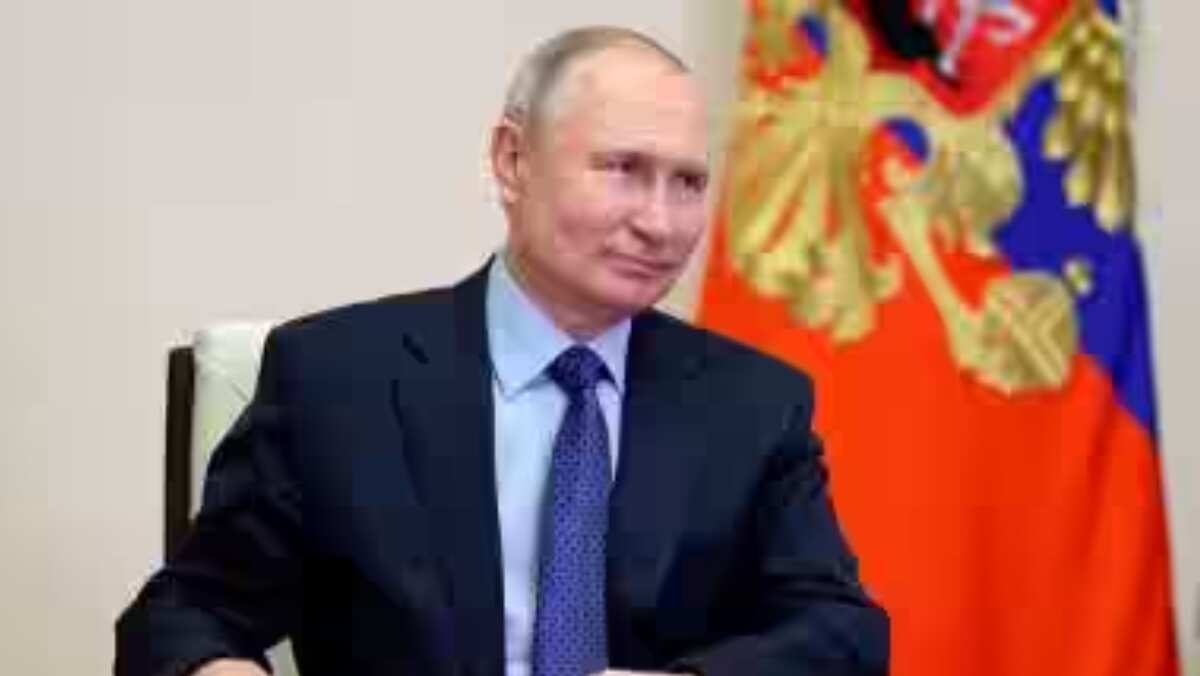
Russian President Vladimir Putin on Wednesday said the country decided to cut crude production to support global oil prices. Speaking during a government meeting, Putin also assured the world that the oil situation remains stable.
"All our actions, including those related to voluntary production cuts, are connected with the need to support a certain price environment on global markets in contact with our partners in OPEC+," media reports quoted Putin as saying.
Russia, one of the largest oil producers, hadpromised to reduce its crude production by 500,000 barrels perday in Marchand maintain the same production levelsfor the rest of the year, as per a Bloomberg report.
"We are reducing production, but nevertheless it is at the required level," Putin added.
While Moscow had argued that the production cut was in retaliation to the Western sanctions, Putin's latest statement only complicates the real intention of the move.
The United States and Europe have accused Russia of weaponising energy to contain the West in its drive to weaken Moscow's military campaign in Ukraine.
Moscow, on the other hand, has accused the West of weaponising the dollar and financial systems such as the international payments mechanism SWIFT against Russia.
Nevertheless, market watchers have been skeptical about the level of Moscow's oil production cuts.
While Russia on Wednesday said it has reached the pledged curbs this month, the International Energy Agency (IEA), the energy watchdog, argued that Russia needs to cut its production by 300,000 barrels a day to reach the target this month.
“Indeed, Russia may be boosting volumes to make up for lost revenue,” a Bloomberg report quoted IEA as saying.
Last week, oil pricing benchmarks fell for a fourth consecutive week, the longest streak of weekly declines since September 2022, over fears of a USrecession and risks of a historic default on government debt in early June. The price of Russian Urals flagship oil blend, denominated in roubles, fellbelow the breakeven level assumed for this year's federal budget, exacerbating already huge shortfall in the state coffers.
(With agency inputs)