RBI cautions high food prices hampering inflation control efforts

Is the RBI doing enough to curb digital fraud?
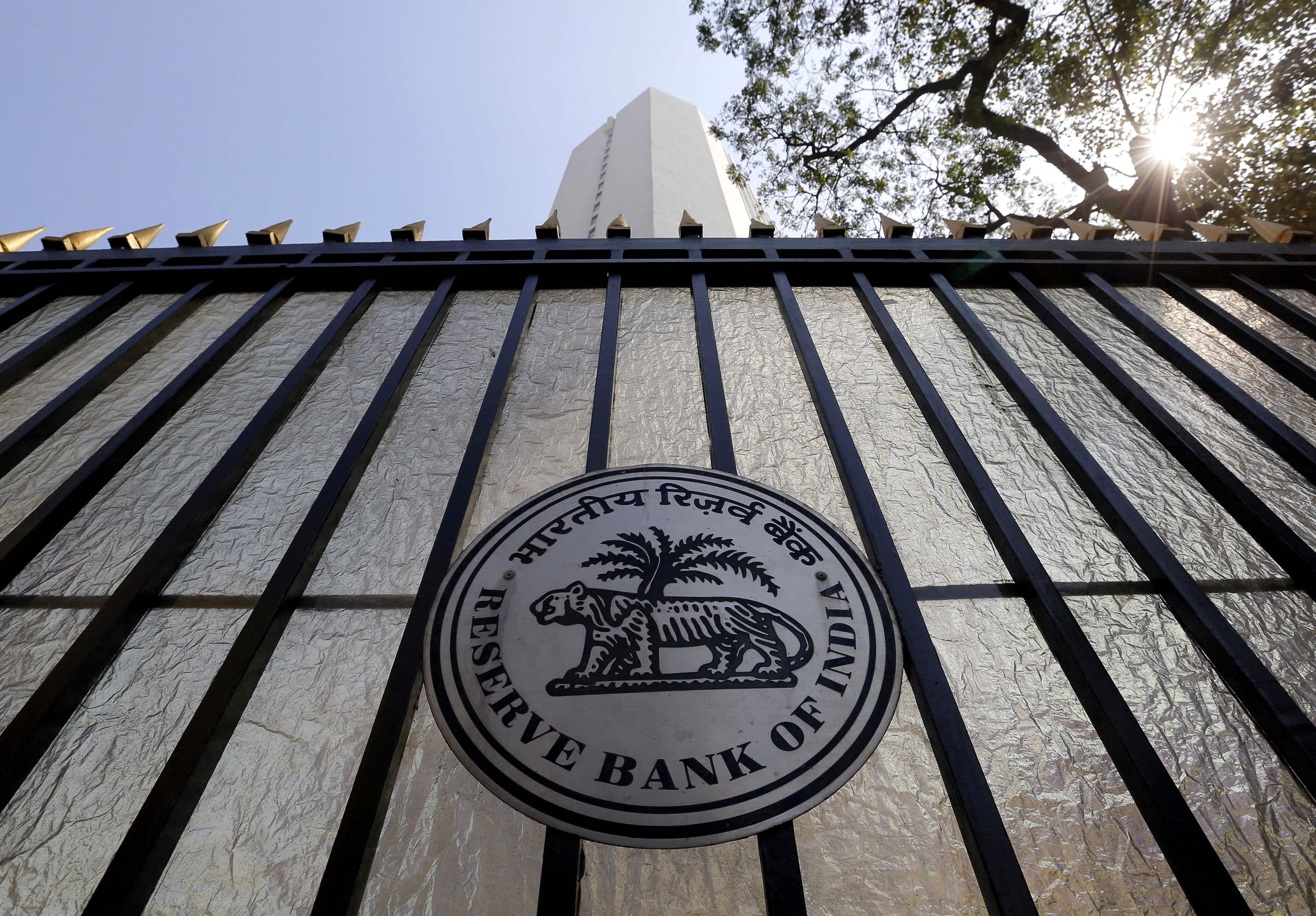
The Reserve Bank of India (RBI) warned on Monday (June 17) that rising food costs impede recent gains in lowering inflation, signalling that attempts to reduce prices would continue. The central bank stated that unpredictable food prices could increase headline inflation numbers following a temporary drop below the target in the second quarter of 2024/25.
"Consequently, a resolute commitment to a durable alignment of headline inflation with the target will warrant careful monitoring of spillovers from food price pressures to core inflation and inflation expectations," the Reserve Bank of India said.
Retail and core inflation trends
Annual retail inflation was 4.75 per cent in May, down slightly from 4.83 per cent in April and lower than the 4.89 per cent expected by a Reuters survey of 50 experts. Core inflation, on the other hand, fell to a historic low of around 3.12 per cent. Despite these findings, the RBI remains concerned about the impact of persistently high food prices on broader inflation patterns.
Economic growth and domestic demand
While inflation remains a significant issue, the RBI stated that high-frequency indications suggest continued growth in domestic demand in the first quarter of 2024/25. The central bank also expects GDP growth to continue at the pace seen in the preceding quarter. According to the economic activity index, Q1 GDP is estimated to be around 7.4 per cent, with official figures coming in August.
Furthermore, the RBI stated that agricultural prospects are improving, with an expected above-normal southwest monsoon. "This should augur well for spurring rural demand and, in turn, support private consumption," it stated.
Monetary policy focus
In a speech on Tuesday (June 18), RBI Governor Shaktikanta Das underlined the need for India to avoid "adventurism" and continue to work on lowering inflation towards the objective. Despite mounting calls for a shift in monetary policy, Das stressed the significance of remaining conservative to secure long-term economic stability.
(With inputs from Agencies)