Pakistan's prime minister initiates talks with IMF for crucial loan renewal

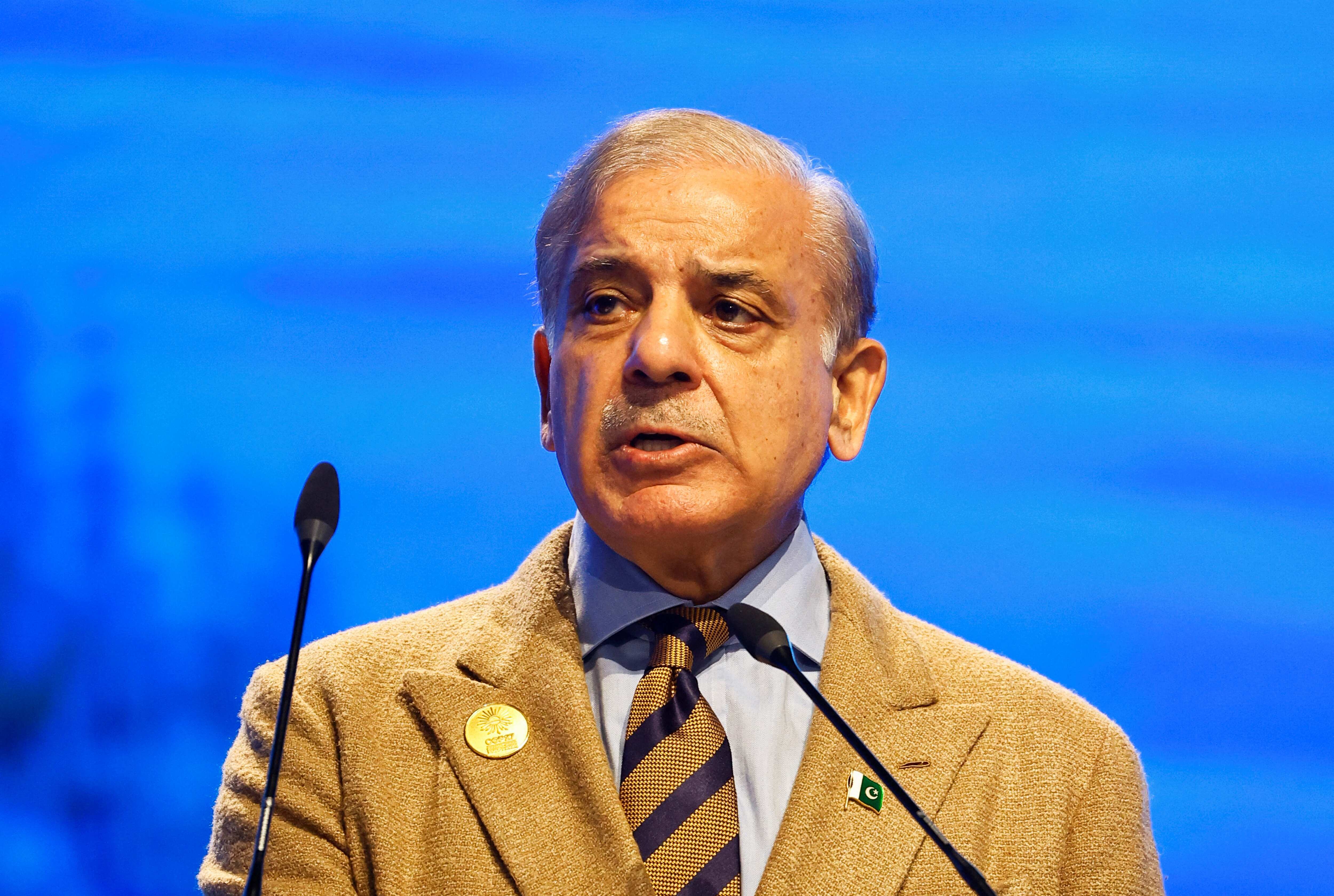
Pakistan's Prime Minister Shehbaz Sharif
Pakistan's newly appointed Prime Minister, Shehbaz Sharif, has directed authorities to expedite negotiations with the International Monetary Fund (IMF) as the country's existing $3 billion bailout program approaches its conclusion in April.
According to Bloomberg, Sharif's directive to fast-track talks for a new loan comes amid mounting financial challenges faced by Pakistan, including heavy external debt obligations and the need for immediate financial support.
"Sharif's return as Prime Minister Increases Pakistan’s chances of securing a new IMF aid package," remarked Bloomberg Economics, highlighting the optimism surrounding Sharif's leadership and his administration's track record in implementing reforms.
The urgency to secure fresh funds stems from Pakistan's looming external debt payments, which amount to $25 billion in the upcoming fiscal year, posing a burden on the nation's foreign exchange reserves.
While Pakistan had initially planned to seek a new loan of at least $6 billion from the IMF, the final decision on the loan amount remains pending.
Sharif's administration is keen on securing financial assistance to navigate the country through its fiscal challenges and implement necessary reforms aligned with IMF targets.
Aisha Ghaus Pasha, a former junior finance minister and economist, said that securing aid would provide the country with essential fiscal space to undertake crucial reforms.
Pasha underscored the inevitability of tough reforms as part of any IMF program, highlighting the need for Pakistan to demonstrate a strong commitment to fiscal discipline and economic stability during negotiation.
Sharif has yet to appoint a new finance minister to lead the IMF negotiations.
Habib Bank Ltd President Muhammad Aurangzeb, considered a potential candidate for the finance minister post, attended a recent meeting chaired by Sharif to discuss the IMF talks, indicating ongoing deliberations within the government regarding key appointments.
Securing a new IMF aid package is not only crucial for Pakistan's economic stability but also for maintaining support from creditor nations such as Saudi Arabia and the United Arab Emirates.
Additionally, a successful negotiation with the IMF could strengthen investor confidence in Pakistan's dollar bonds, potentially stabilising financial markets and fostering economic growth.
(With inputs from Bloomberg)