Oil prices edge up over decline in US inventory, Khashoggi's disappearance

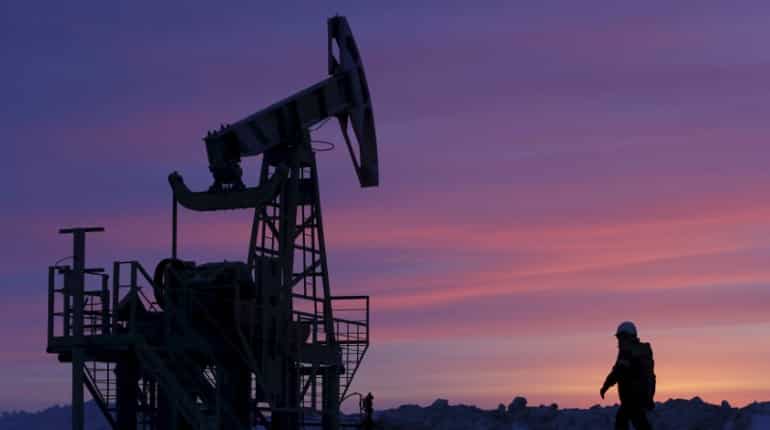
Oil field
Oil prices extended gains into a fourth session on Wednesday, buoyed as industry data showed a surprise decline in UScrude inventories and as geopolitical tensions over the disappearance of a prominent Saudi journalistJamal Khashoggi stoked supply worries.
USWest Texas Intermediate crude was up 15 cents, or 0.2 per cent, at $72.07 a barrel by 0255 GMT on Wednesday, having settled up 14 cents.
Brent crude was up 12 cents, or 0.2 per cent, at $81.53 a barrel, after settling up 63 cents the session before. The global benchmark, which hit a more than two-week low late last week as equity markets dropped, is trading around $5 below a four-year high of $86.74 marked on October3rd.
UScrude inventories fell by 2.1 million barrels last week, compared with analyst expectations for a build of 2.2 million barrels, American Petroleum Institute data showed after Tuesday's settlement.
"The market is reacting to the unexpected decline as inventories tend to rise at this time of year," said Tomomichi Akuta, senior economist at Mitsubishi UFJ Research and Consulting in Tokyo, adding that anxieties about the outlook for the global economy were capping gains.
USgasoline stocks dropped by a larger-than-expected 3.4 million barrels, while distillate fuel stockpiles declined by a smaller-than-expected 246,000 barrels, the API data showed.
Inventory data from the USEnergy Department's Energy Information Administration is due at 1430 GMT on Wednesday.
USPresident Donald Trump gave Saudi Arabia the benefit of the doubt in the disappearance of journalist Jamal Khashoggi even as USlawmakers pointed the finger at the Saudi leadership and Western pressure mounted on Riyadh to provide answers.
Jim Ritterbusch, president of Ritterbusch and Associates, said Saudi Arabia could cut as much as 500,000 barrels per day of crude production "as a warning shot should the USopt to impose any type of sanction in response to the Khashoggi developments".
Meanwhile, OPEC Secretary-General Mohammad Barkindo on Tuesday urged oil producing companies to increase capacities and invest more to meet future demand as spare oil capacity shrinks worldwide.
The Russian government is no longer capping oil output increases by local producers, one of the country's top energy companies, Gazprom Neft, said on Tuesday.
The market has been supported by reports that Iranian crude exports may be falling faster than expected ahead of November4th, the date USsanctions on the commodity are due to start.