NATO Chief confirms Europe meeting spending targets amid Trump's criticism

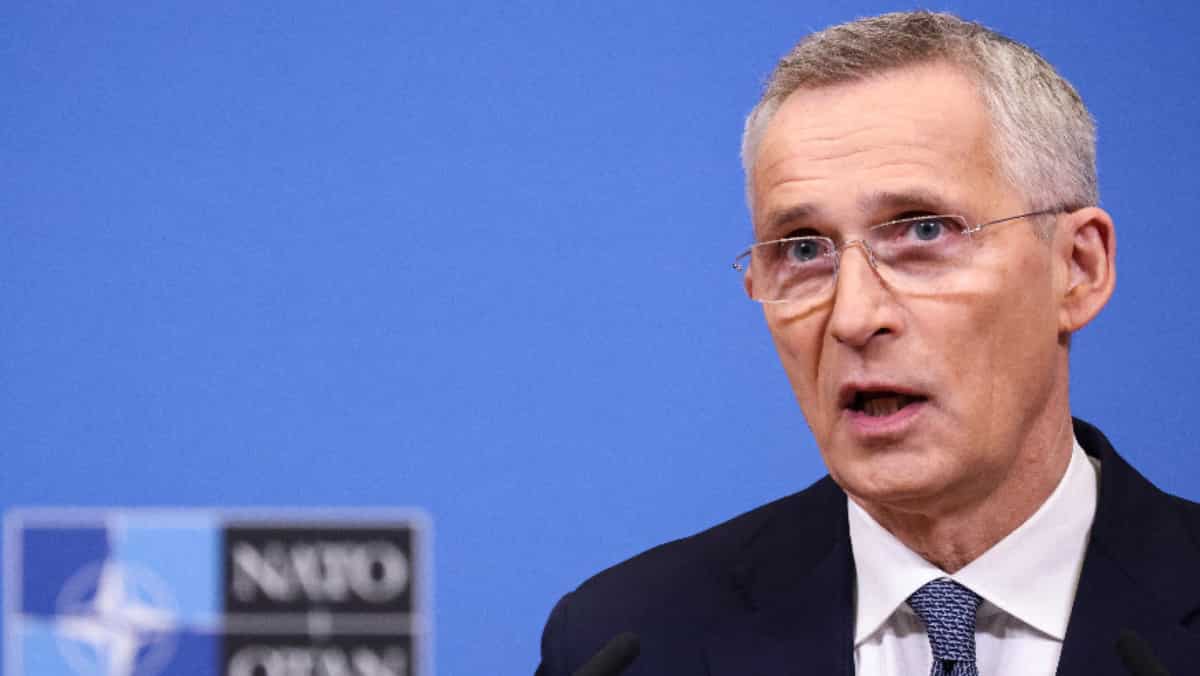
NATO chief Jens Stoltenberg
NATO Secretary-General Jens Stoltenberg asserted on Wednesday that Europe is meeting alliance spending targets, countering recent comments by former US President Donald Trump, who hinted that the US might not protect nations failing to meet spending benchmarks.
According to Reuters, Stoltenberg emphasised the importance of US allies, urging the US House of Representatives to pass a significant military aid package for Ukraine.
He warned that a victory for Russia in its war against Ukraine could embolden China. The European states within NATO are collectively set to invest $380 billion in defence this year, reaching an estimated 2 per cent of GDP in 2024, up from 1.85 per cent in 2023.
Stoltenberg clarified that 18 NATO allies are expected to meet the 2 per cent of GDP defence spending target this year, surpassing last year's figure of 11 nations.
He stressed that criticism directed towards NATO is about the individual allies not meeting spending goals, adding that the increased military spending by European allies demonstrates a positive response to this concern.
The NATO chief expressed confidence that the United States understands the importance of the defence alliance for its own security, noting that the US has never fought a war alone.
In addressing controversies surrounding Trump's comments, Stoltenberg highlighted the unity within NATO and emphasized the commitment to collective defence.
He stated, "The criticism we hear is not about NATO; it is about NATO allies not spending enough on NATO."
Stoltenberg's remarks came ahead of a NATO ministers' meeting, where concerns about US commitment to the alliance are in focus.
He underscored the importance of NATO allies meeting their financial commitments for the alliance's strength.
Bracing for potential shifts in US policy, particularly with the possibility of a second Trump presidency, NATO diplomats are actively working to maintain US engagement in NATO.
Stoltenberg stressed the need for the House of Representatives to support Ukraine, characterizing it as an investment in collective security.
He also highlighted the significance of NATO in defence, noting that 80 per cent of the alliance's defence expenditures come from non-EU NATO allies.
Meanwhile, Germany is set to meet the 2 per cent target for the first time this year, allocating 71.8 billion euros for defence spending.
France, the only nuclear power in the bloc, is expected to follow suit.
As NATO members grapple with evolving geopolitical challenges, including tensions with Russia and the rise of China, Stoltenberg emphasised the need for a comprehensive strategy.
Diplomats anticipate a focus on increasing European defence spending, addressing issues related to China and the Indo-Pacific, and navigating the dynamics with former President Trump.
The approach is described as a "combination of flattery and a firm hand," recognising the delicate balance required to maintain unity within the alliance.
In an interview with Reuters, Keith Kellogg, a leading national security adviser to Trump, hinted at potential changes to NATO if Trump returns to power, potentially impacting member nations' protection against outside attacks.
NATO members have been steadily increasing defence spending since Russia's annexation of Crimea and involvement in eastern Ukraine in 2014.