Majority of Germans to stop paying 'solidarity tax' from 2021: Draft law

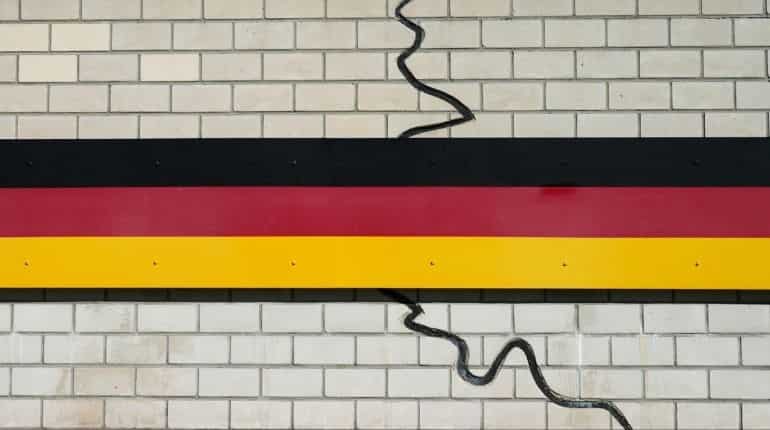
Memorial to German reunification
Themajorityof German taxpayers will no longer have to pay a "solidarity tax" introduced after the reunification of the country almost quarter of a century ago to support poorer eastern states, according to adraftlawseen by Reuters.
The government, comprising Chancellor Angela Merkel's conservatives and Finance Minister Olaf Scholz's centre-left Social Democrats, in their 2018 coalition agreement laid down plans to help citizens on small and medium incomes.
Thedraftlawsays that around 90 per centof taxpayers should no longer pay the tax, which adds 5.5 per centto income taxes,from2021, calling it the most comprehensive tax reduction in over 10 years.
Others who would still have to pay somesolidarity taxwould see lower tax increases overall through a cushioning mechanism applied to personal allowances, resulting in 96.5 per centof all taxpayers benefittingfromreductions.
Changing the tax, that was first levied in 1995, in this way would imply around 10 billion euros ($11.20 billion) less income for the general budgetfrom2021through the tax, with this sum rising to 12 billion by 2024.
Chancellor Angela Merkel's government has managed to raise public spending without incurring new debt since 2014 thanks to an unusually long growth cycle, record-high employment, buoyant tax revenues and the European Central Bank's bond-buying plan.
But as Germany's borrowing costs sink to new lows almost daily and its economy cools in light of weaker foreign demand and bruising trade disputes, domestic and international calls to provide extra fiscal stimulus by running a small deficit again are becoming louder.