Mahakumbh to add $23 billion to India's economy

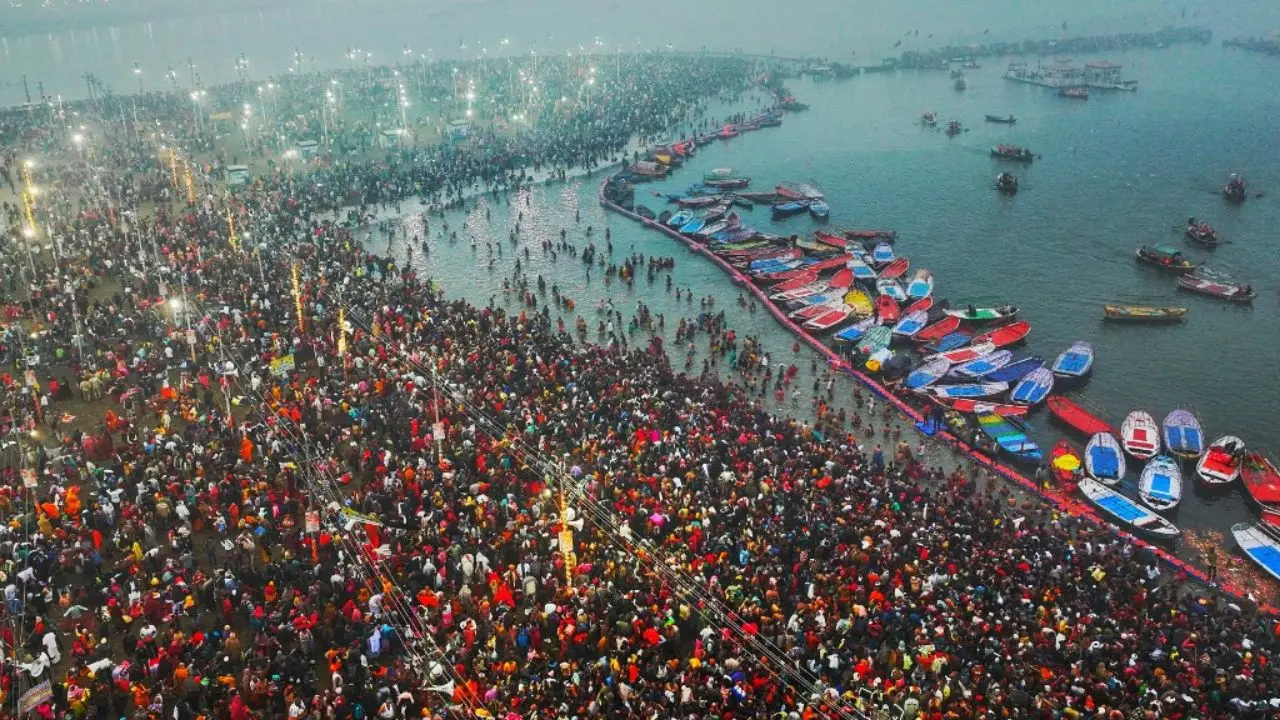
Business & Economy: Mahakumbh has attracted a rush of spending from global heavyweights, including Nestle, makers of Pepsi, Coca-Cola, Reliance Industries, Hindustan Unilever, and Reckitt Benckiser Group, the owner of Dettol, among others.
The world's leading consumer goods firms are investing in a once-every-ten years Mahakumbh in the hopes that it will help reverse the slowdown in spending in India.
About 450 million people, including farmers, millionaires, office workers, and mystics, will attend the six-week Mahakumbh mela in the northern Indian city of Prayagraj.
The Mahakumbh pilgrimage is being billed as the greatest gathering on earth.
The event has attracted a rush of spending from global heavyweights, including Nestle, makers of Pepsi, Coca-Cola, Reliance Industries, Hindustan Unilever, and Reckitt Benckiser Group, the owner of Dettol, among others.
Mahakumbh is being touted as the biggest marketing opportunity in the world. The streets leading to the river Ganga, where Hindus believe one may wash away their sins in a dip, are lined with billboards, vendors, and branded resting spots.
Consumer firms invest big money in Mahakumbh

Independent brand consultant Harish Bijoor predicted that companies will spend around 36 billion rupees or 310 million dollars on advertising and marketing. Big brands are using India's biggest pilgrimage to lure consumers.
However, they have a challenging job ahead as the celebrations come to a close on February 26. The Indian government predicts that the event will inject 23 billion dollars into the flagging economy.
While industry observers are sceptical of the massive crowds translating to major sales, this year's event is even more tempting for companies. It is considered exceptionally auspicious owing to a celestial alignment that occurs every 144 years.
During the preparation, the state of Uttar Pradesh started constructing bridges, marketplaces, and hospitals months in advance of the event to handle the huge flow of people — around one-third of India's entire population.Consumer powerhouses are peddling their products to a captive audience in the makeshift tent city along the riverbanks.
From branded blankets to resting pods, to ads in temporary restrooms, to mini stores by rapid delivery service firms to community lunches to Instagram video posts for branding to mobile ATMs and Kumbh-labelled debit cards, companies are using the event for marketing their products in a significant way.
Dolat capital market analyst Sachin Bobade remarked that companies go there to reach a massive audience. He predicted a small but noticeable increase in demand. Bobade said, "There's a fear of missing out on Kumbh. Overall market conditions aren't great. There will be some demand uplift, but it will not be major." he added, "The slowdown is a bit dramatic. We will need six maha Kumbhs to...lift demand."
The government, though, hopes the religious gathering helps the economy out of a slump. The big spending by large corporations focussing on branding during the event does provide significant optimism.
(With the inputs from the agencies)
