Latest Business News - Global stock rally loses steam; safe havens still going strong due to growing virus fears

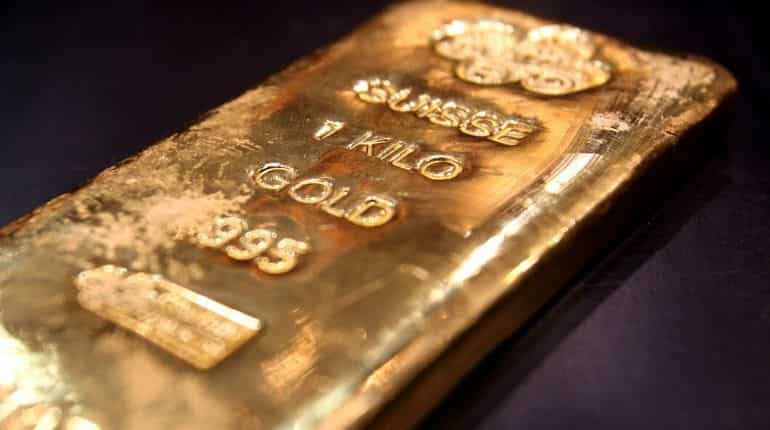
Concerns about the coronavirus outbreak in China keep the safe-haven bid in gold and the dollar alive.
Global equity markets closed little changed on Wednesday as strong results from Apple and others provided a lift, but concerns about the coronavirus outbreak in China kept enthusiasm in check and a safe-haven bid in gold and the dollar alive. The yield on benchmark US Treasuries and German bunds fell as foreign governments evacuated citizens from the virus' epicentre in China and the World Health Organization voiced "grave concern" about person-to-person infection in three countries.
The death toll in China from the virus rose by 27 to 133, and 1,459 other cases were confirmed. A Chinese government economist said the outbreak could cut China's first-quarter growth by one point to 5 per cent or lower as the crisis hits sectors from mining to luxury goods.
The Federal Reserve left interest rates unchanged at its first policy meeting of the year. Officials pointed to continued moderate US economic growth and a "strong" job market. Since the Fed cut rates in October, policymakers have kept their target rate in a range of 1.50 per cent to 1.75 per cent.
Treasury yields were little changed after the Fed released its policy statement. Benchmark US stock indexes initially ticked up to the day's highs before paring gains to close at break-even. The market's muted reaction to the virus' spread, which is close to the number of people infected by the SARS outbreak in 2003, is very positive, said Kristina Hooper, chief global market strategist at Invesco in New York.
Global equity markets closed little changed on Wednesday as strong results from Apple and others provided a lift, but concerns about the coronavirus outbreak in China kept enthusiasm in check and a safe-haven bid in gold and the dollar alive. The yield on benchmark US Treasuries and German bunds fell as foreign governments evacuated citizens from the virus' epicentre in China and the World Health Organization voiced "grave concern" about person-to-person infection in three countries.
The death toll in China from the virus rose by 27 to 133, and 1,459 other cases were confirmed. A Chinese government economist said the outbreak could cut China's first-quarter growth by one point to 5 per cent or lower as the crisis hits sectors from mining to luxury goods.
The Federal Reserve left interest rates unchanged at its first policy meeting of the year. Officials pointed to continued moderate US economic growth and a "strong" job market. Since the Fed cut rates in October, policymakers have kept their target rate in a range of 1.50 per cent to 1.75 per cent.
Treasury yields were little changed after the Fed released its policy statement. Benchmark US stock indexes initially ticked up to the day's highs before paring gains to close at break-even. The market's muted reaction to the virus' spread, which is close to the number of people infected by the SARS outbreak in 2003, is very positive, said Kristina Hooper, chief global market strategist at Invesco in New York.
"The fact that stocks have held up today in light of the negative news on the novel coronavirus is a sign that the Fed is a dominant factor in keeping markets calm," Hooper said. The practice of buying $60 billion every month of US Treasury bills to ensure adequate short-term liquidity in bank funding markets will remain in place at least into April, as will a related offering of repurchase agreements, the Fed said.
Strong results from Santander helped bank stocks in Europe. Gains in Apple Inc and Boeing Co lifted shares on Wall Street, but a spate of disappointing results from AT&T and Advanced Micro Devices Inc, among others, weighed on equities. MSCI's gauge of stocks across the globe shed 0.01 per cent as emerging market stocks lost 0.38 per cent. Mexico's bolsa index bucked the downdraft in emerging markets, rising about 0.93 per cent.
US President Donald Trump signed a new trade agreement with Canada and Mexico into law on Wednesday, replacing the 26-year-old North American Free Trade Agreement. The pan-European STOXX 600 index rose 0.44 per cent, with the euro-zone banks' index gaining 1 per cent. Santander posted a higher quarterly net profit, boosted by a solid underlying performance in Brazil and capital gains. Santander rose 4.4 per cent.
Apple gained 2.1 per cent after reporting earnings for the holiday shopping quarter above analysts' expectations, even as it braced for more supply disruptions in virus-hit China.
The Dow Jones Industrial Average rose 11.6 points, or 0.04 per cent, to 28,734.45. The S&P 500 lost 2.84 points, or 0.09 per cent, to 3,273.4 and the Nasdaq Composite added 5.48 points, or 0.06 per cent, to 9,275.16. Spot gold prices rose as concerns about economic growth due to the coronavirus buoyed safe-haven demand, but US gold futures settled little changed at $1,570.40 per ounce.
Oil was mixed, weighed by worries about how the coronavirus could affect demand and swelling US crude inventories. Talk that the Organization of the Petroleum Exporting Countries could extend crude output cuts provided support.
Brent crude gained 30 cents to settle at $59.81 a barrel, while US crude fell 15 cents to settle at $53.33. Demand strengthened for the dollar index and the safe-haven Japanese yen firmed modestly. A risk-off tone returned to currency markets amid uncertainty about the coronavirus. The dollar index rose 0.07 per cent, with the euro down 0.14 per cent to $1.1005. The yen strengthened 0.09 per cent versus the greenback at 109.06 per dollar. Benchmark 10-year US Treasury notes rose 18/32 in price to push down its yield to 1.5805 per cent.
Hooper said. The practice of buying $60 billion every month of US Treasury bills to ensure adequate short-term liquidity in bank funding markets will remain in place at least into April, as will a related offering of repurchase agreements, the Fed said.
Strong results from Santander helped bank stocks in Europe. Gains in Apple Inc and Boeing Co lifted shares on Wall Street, but a spate of disappointing results from AT&T and Advanced Micro Devices Inc, among others, weighed on equities. MSCI's gauge of stocks across the globe shed 0.01 per cent as emerging market stocks lost 0.38 per cent. Mexico's bolsa index bucked the downdraft in emerging markets, rising about 0.93 per cent.
US President Donald Trump signed a new trade agreement with Canada and Mexico into law on Wednesday, replacing the 26-year-old North American Free Trade Agreement. The pan-European STOXX 600 index rose 0.44 per cent, with the euro-zone banks' index gaining 1 per cent. Santander posted a higher quarterly net profit, boosted by a solid underlying performance in Brazil and capital gains. Santander rose 4.4 per cent.
Apple gained 2.1 per cent after reporting earnings for the holiday shopping quarter above analysts' expectations, even as it braced for more supply disruptions in virus-hit China.
The Dow Jones Industrial Average rose 11.6 points, or 0.04 per cent, to 28,734.45. The S&P 500 lost 2.84 points, or 0.09 per cent, to 3,273.4 and the Nasdaq Composite added 5.48 points, or 0.06 per cent, to 9,275.16. Spot gold prices rose as concerns about economic growth due to the coronavirus buoyed safe-haven demand, but US gold futures settled little changed at $1,570.40 per ounce.
Oil was mixed, weighed by worries about how the coronavirus could affect demand and swelling US crude inventories. Talk that the Organization of the Petroleum Exporting Countries could extend crude output cuts provided support.
Brent crude gained 30 cents to settle at $59.81 a barrel, while US crude fell 15 cents to settle at $53.33. Demand strengthened for the dollar index and the safe-haven Japanese yen firmed modestly. A risk-off tone returned to currency markets amid uncertainty about the coronavirus. The dollar index rose 0.07 per cent, with the euro down 0.14 per cent to $1.1005. The yen strengthened 0.09 per cent versus the greenback at 109.06 per dollar. Benchmark 10-year US Treasury notes rose 18/32 in price to push down its yield to 1.5805 per cent.