Japanese yen hits lowest level since 1986

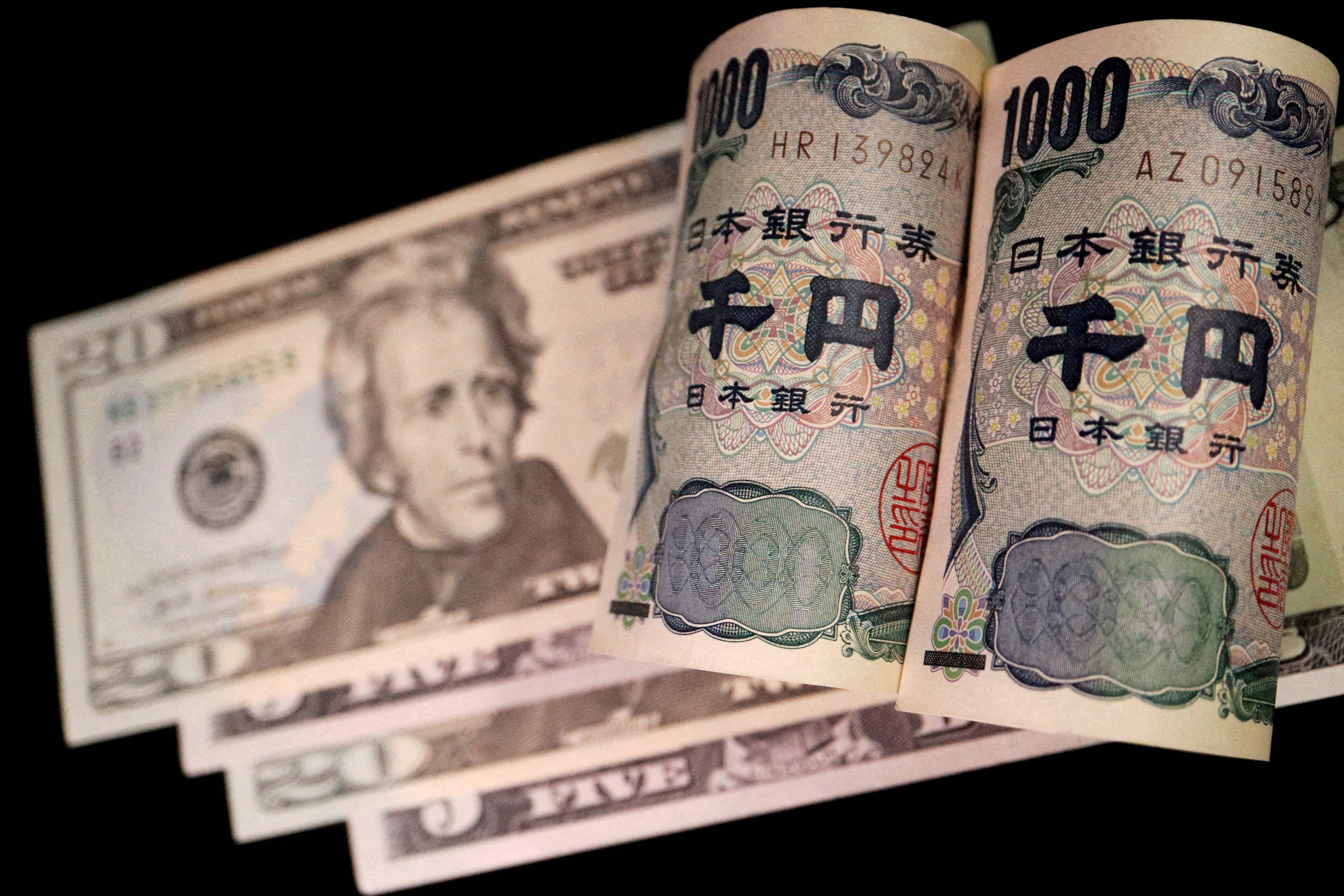
Banknotes of Japanese yen and U.S. dollar
Japanese currency yen fell to its lowest level since 1986. This has alerted traders on a possible intervention by the central bank. Japan's Ministry of Finance and Central Bank spent $62 billion in late April and early May to stabilise the currency when it fell below 160. This might have given some temporary relief, but the currency has already dropped 5 per cent since May. The sluggish export numbers and rising imports are hurting the currency's value among investors. The trade deficit stands at $38 billion in the last fiscal year.
Japan is currently following the US Fed's 'hawkish stance' on keeping interest rates on hold, at least for now. The US is currently 'observing' the movements of key economic indicators. This strategy is possibly hurting the yen, which is now facing the test of a rising dollar and a growing deficit. The dollar index rose 0.3 per cent to 105.99, the highest since May.
The recently concluded Bank of Japan meeting hinted at a July rate hike. Now the anticipation of an early stimulus is growing as the country faces a potential currency crisis amid rising debt.

Japan's central bank made a historic pivot in April when it raised rates for the first time since 2007. The country abandoned its decade-long policy of keeping negative interest rates on its bond yields. The idea was initially to counter inflation and boost growth. However, the growing US-Japan bond yield deficit led to this shift. The returns on investing in Japanese government bonds are relatively lower than other currencies. This has led to a currency plunge of more than 13 per cent in 2024.
In 2023 alone, the currency has recorded three-decade lows against the US dollar. It is also one of the worst-performing currencies of 2024.