Japan's factory output plummets in January as economic concerns mount

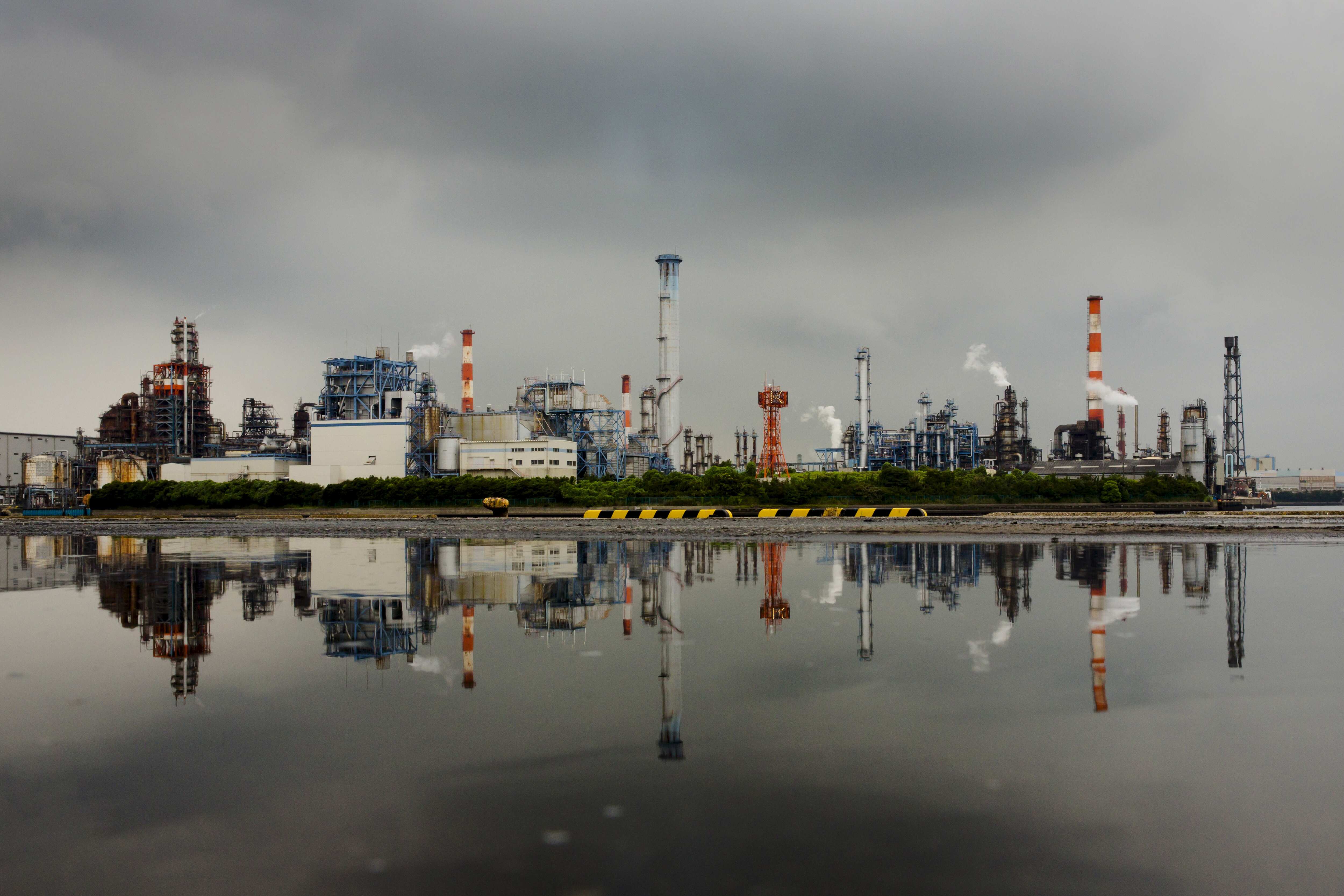
A petrochemical plant is reflected in a puddle at an industrial complex in Kawasaki
Japan's factory output experienced its sharpest decline since May 2020, according to government data released on Thursday, increasing worries about the country's fragile economy, which slipped into recession late last year.
Data from the Ministry of Economy, Trade and Industry (METI) revealed a 7.5 per cent drop in industrial output in January compared to the previous month, slightly worse than the market forecast of a 7.3 per cent decrease.
The downturn affected 14 out of 15 industries surveyed by METI, prompting the ministry to downgrade its assessment of industrial output for the first time since July last year.
Gabriel Ng, assistant economist at Capital Economics, expressed concerns about the implications of the sharp decline in industrial production. "The plunge in industrial production in January suggests that GDP will fall yet again this quarter, which will add to the view that Japan's economy is in recession" Reuters quoted him as saying.
Analysts fear that Japan's economic recovery may be stalling, especially with the manufacturing sector facing challenges.
The automotive industry bore the brunt of the production downturn, with output in motor vehicles plummeting by 17.8 per cent in January compared to the previous month.
The decline was attributed to decreases in regular passenger cars and electrical drive systems production.
Toyota Motor, a prominent Japanese automaker, suspended shipments of certain models in January due to irregularities found in certification tests for diesel engines developed by affiliate Toyota Industries.
Additionally, Toyota's small-car unit Daihatsu continued to suspend production at domestic plants following misconduct related to collision-safety tests.
The gradual resumption of operations by Daihatsu this month indicates efforts to address these challenges.
Kota Suzuki, an economist at Daiwa Securities, noted the significance of the slump in automobile-related production, stating its impact on the broader Japanese economy.
Suzuki stated, "The drop in automobile-related production, which had remained exceptionally strong amid stagnant (industrial) production due to weak global demand for goods, is a major blow to the Japanese economy."
The decline extended beyond the automotive sector, with manufacturing of electrical machinery and information and communication electronics equipment also experiencing an 8.3 per cent decrease.
Despite the outlook for January, manufacturers surveyed by the industry ministry anticipate a rebound in production in the coming months.
Forecasts indicate a 4.8 per cent increase in seasonally adjusted output for February and a further 2.0 per cent rise in March.
However, these projected gains may not fully offset the impact of January's decline, according to a METI official.
Meanwhile, uncertainties loom over the potential effects of a powerful earthquake that struck Japan's Noto Peninsula on New Year's Day, with its impact on manufacturers' plans yet to be fully understood.
In a separate report offering a glimmer of hope, Japanese retail sales rose by 2.3 per cent year-on-year in January, marking the 23rd consecutive month of increases and aligning with market expectations.
The resilience of retail sales provides some optimism that consumption may help alleviate pressure stemming from the downturn in the industrial sector, offering a potential avenue for economic recovery.
(With inputs from Reuters)