Japan leads Asian stocks amid AI surge; global markets await Central Bank decisions

Asian stocks
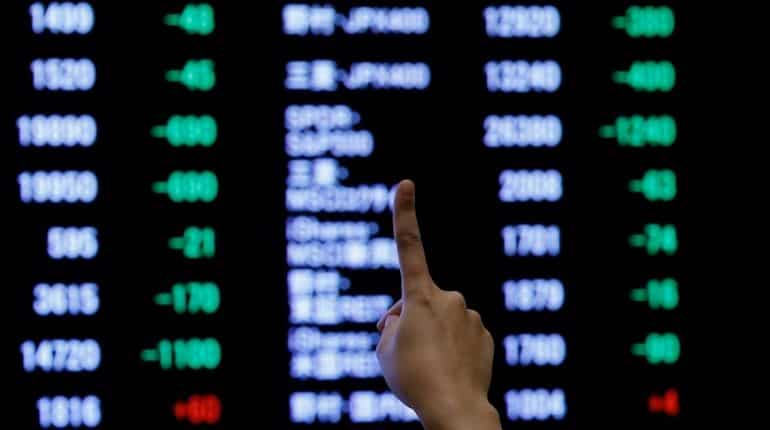
Asian markets rallied on Monday, with Japan taking the lead, propelled by the tech sector's enthusiasm for artificial intelligence (AI). The Nikkei surged to a fresh 34-year peak, up 8.3 per cent in January, fuelled by strong performances in chip stocks following Taiwan Semiconductor Manufacturing's optimistic profit outlook.
Chipmakers, including Nvidia and Advanced Micro Devices, reaped the benefits of the AI-driven rally. As investors brace for a week packed with central bank meetings, economic data releases, and corporate earnings, attention turns to results from Intel, IBM, Tesla, Netflix, Lockheed Martin, and others. The S&P 500 and Nasdaq futures in the US showed marginal gains after reaching record highs last week. (Source: Reuters)
Amid the broader Asian rally, MSCI's broadest index of Asia-Pacific shares outside Japan rose by 0.3 per cent, rebounding from last week's downturn influenced by weakness in China's markets. China experienced a five-year low, sparking speculation about state funds supporting stocks. Despite concerns about China's economic stability, Beijing appears hesitant to implement aggressive stimulus measures.
The Bank of Japan, meeting on Tuesday, is expected to maintain super-easy monetary policies, supported by a second consecutive month of slowing consumer prices. Analysts anticipate the central bank's cautious stance, awaiting the outcomes of the spring wage rounds before considering any tightening measures.
On the global stage, the European Central Bank (ECB) is set to meet on Thursday, expected to maintain its current stance amid recent hawkish commentary from top officials. While a March rate cut seems logical, the ECB's recent resistance makes a June cut more probable. Futures indicate a 76 per cent chance of a first cut in May, with 40 basis points of easing priced in by June.
Central banks in Canada and Norway are also scheduled to meet this week, with no anticipated changes to interest rates. In the United States, market expectations for a March cut from the Federal Reserve have decreased to 49 per cent, influenced by recent hawkish rhetoric. Attention now turns to US economic growth and core inflation data, which could shape the prospects for early easing.
Global financial markets witnessed a notable shift last week, with 10-year Treasury yields rising nearly 20 basis points to 4.13 per cent. This strengthened the dollar, reaching a five-week high against a basket of currencies. The dollar stood at 148.13 yen, having gained 2.2 per cent last week.
The euro held steady at $1.0893. Gold, a non-yielding asset, lost appeal at $2,028 an ounce in the face of rising yields. In the oil market, concerns about global demand offset tensions in the Middle East. Brent crude dipped to $78.33 a barrel, while US crude for January eased to $73.16 per barrel, reflecting ongoing uncertainties in the energy market.
(With inputs from Reuters)