India's exports set to hit $450 billion despite Red Sea crisis, FIEO president optimistic

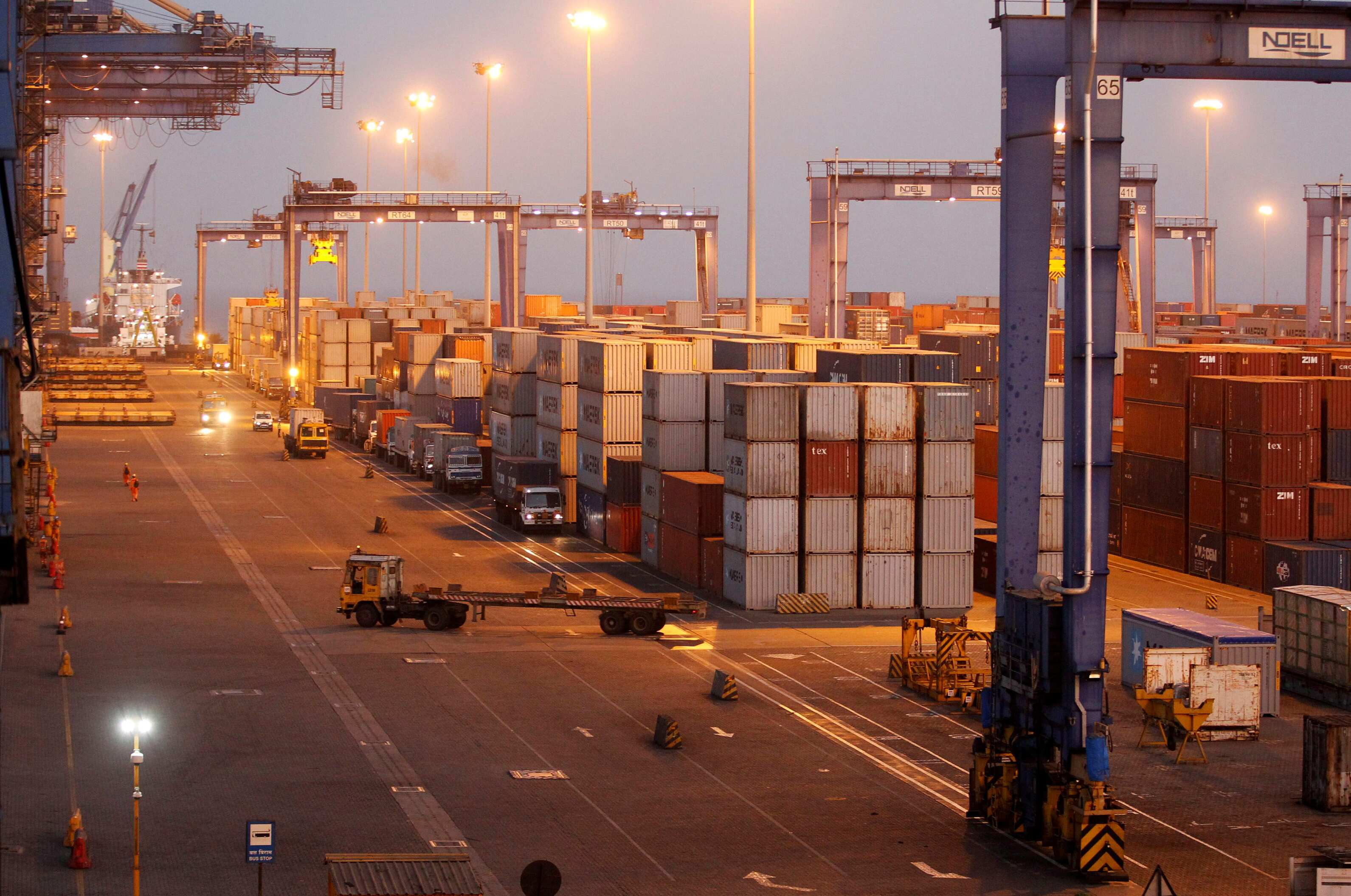
India Exports - File Photo
India's merchandise exports are poised to surge to $450 billion by the end of this fiscal year, despite facing geopolitical hurdles such as the Red Sea crisis, as stated by Ashwani Kumar, the newly elected president of the Federation of Indian Export Organisation (FIEO).
Despite challenges, Kumar remains optimistic about achieving this milestone, highlighting the strength of the exporting community and the need for strategic interventions to address ongoing challenges.
Export growth amid challenges
Despite geopolitical tensions and external disruptions, India's merchandise exports showcased resilience, witnessing an increase to $395 billion from April-February 2023-24.
Notably, this growth trajectory persisted despite the Red Sea crisis, a tight monetary stance by developed nations, and fluctuations in commodity prices.
Kumar attributed this resilience to the steadfast determination of the exporting community, highlighting their ability to navigate challenges since the Russia-Ukraine conflict.
Despite the odds, exports surged by about 12 per cent in February, reaching $41.40 billion, driven by key sectors such as engineering goods, electronics, pharmaceuticals, and petroleum products.
Addressing sectoral needs for growth
Kumar noted the role of Micro, Small, and Medium Enterprises (MSMEs) in driving India's export ambitions, aiming to achieve a target of $1 trillion in goods exports by 2030.
Recognising the challenges faced by MSMEs, including access to credit and marketing support, Kumar advocated for proactive measures to facilitate their growth.
He urged financial institutions to extend easy and low-cost credit to MSMEs, acknowledging them as the backbone of the economy.
Additionally, Kumar spoke on the importance of concluding free trade agreements, such as those with the UK and Oman, to stimulate outbound shipments and unlock new opportunities for exporters.
Trade deficit dynamics
Despite the surge in exports, India's merchandise trade deficit widened to $18.71 billion in February, compared to $17.49 billion in the previous month.
This imbalance stems from imports outpacing exports in value terms, exacerbated by the Red Sea crisis.
Goods imports rose to $60.11 billion in February, reflecting an increase from $54.41 billion in January, as per commerce ministry data.
While export growth remains strong, addressing the trade deficit and ensuring a balanced trade environment will be critical for sustaining long-term economic stability.
Global economic outlook
Despite the prevailing uncertainties, rating agency Moodys, anticipates a steady normalisation in global economic activity throughout 2024 and 2025, as cited in a Mint report.
Despite facing multifaceted challenges in recent years, including high interest rates, volatile commodity prices, and geopolitical tensions, major economies have demonstrated resilience.
However, ongoing geopolitical tensions and financial uncertainties underscore the need for prudent policy measures and strategic interventions to mitigate risks and foster sustainable growth.
(With inputs from PTI)