Indian bonds to reshape the global bonds market?

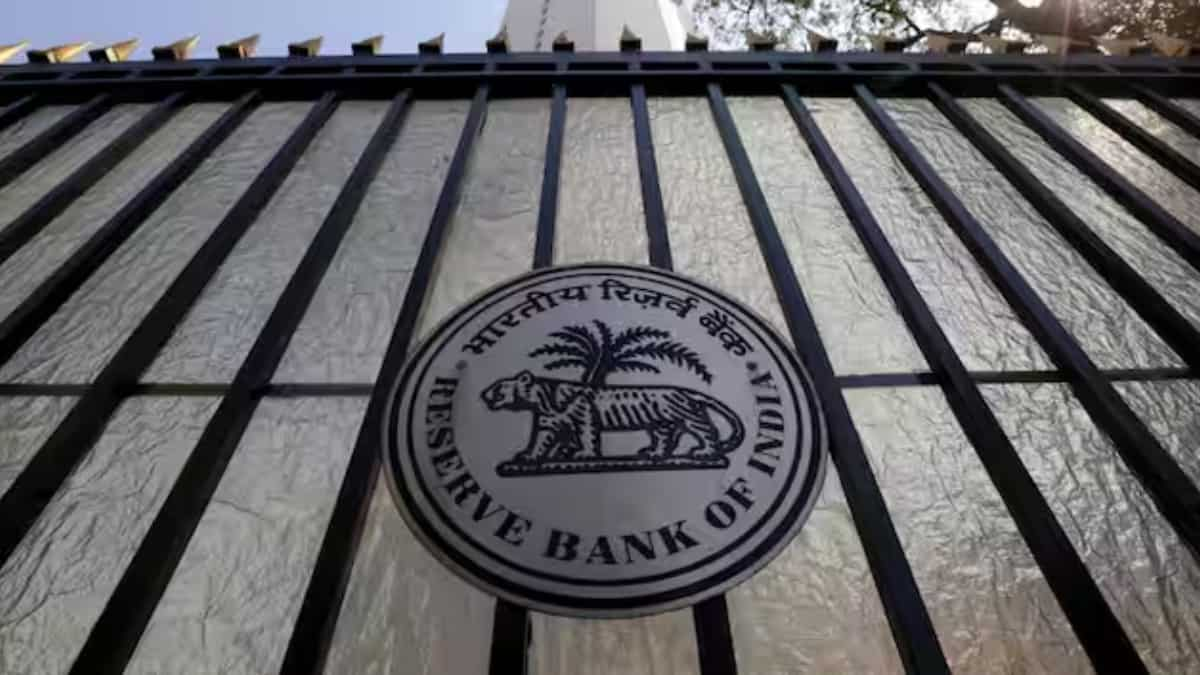
Reserve Bank of India (RBI)
While the upcoming elections dominate headlines, a quieter revolution is brewing in the financial markets. India's inclusion in key global bond indices, starting June 2024, has the potential to be a game-changer, not just for the nation's financial health but also for its political stability.
This long-awaited move signals a vote of confidence in India's economic stability. The phased inclusion, with Indian government bonds gradually reaching a 10 per centweight in the JP Morgan index by March 2025, is expected to unlock a significant inflow of foreign capital. Experts predict an annual wave of $30-40 billion over the next five years, fundamentally altering the dynamics of the global bond market.
The benefits for India are multifaceted. Increased foreign investment will free up domestic capital for crucial areas like infrastructure development and climate change initiatives. Lower borrowing costs for the government and Indian firms will further bolster economic activity. Additionally, a more diversified investor base can inject dynamism and stability into the Indian capital market.

The long-term benefits of a robust bond market could solidify India's position as an attractive investment destination. This, in turn, could translate into sustained economic growth. A growing and stable economy often translates to a more stable political landscape.
While the outlook is undeniably positive, navigating this new reality requires a cautious approach. India's debt market could become more susceptible to global economic fluctuations. To mitigate this risk, maintaining sound macroeconomic policies and a robust financial sector is crucial. Additionally, India needs to address domestic challenges like project preparation and improving bankable infrastructure projects to maximise the benefits of this inclusion.