India leads in Asia in auto investments in Q1 2024: BMI

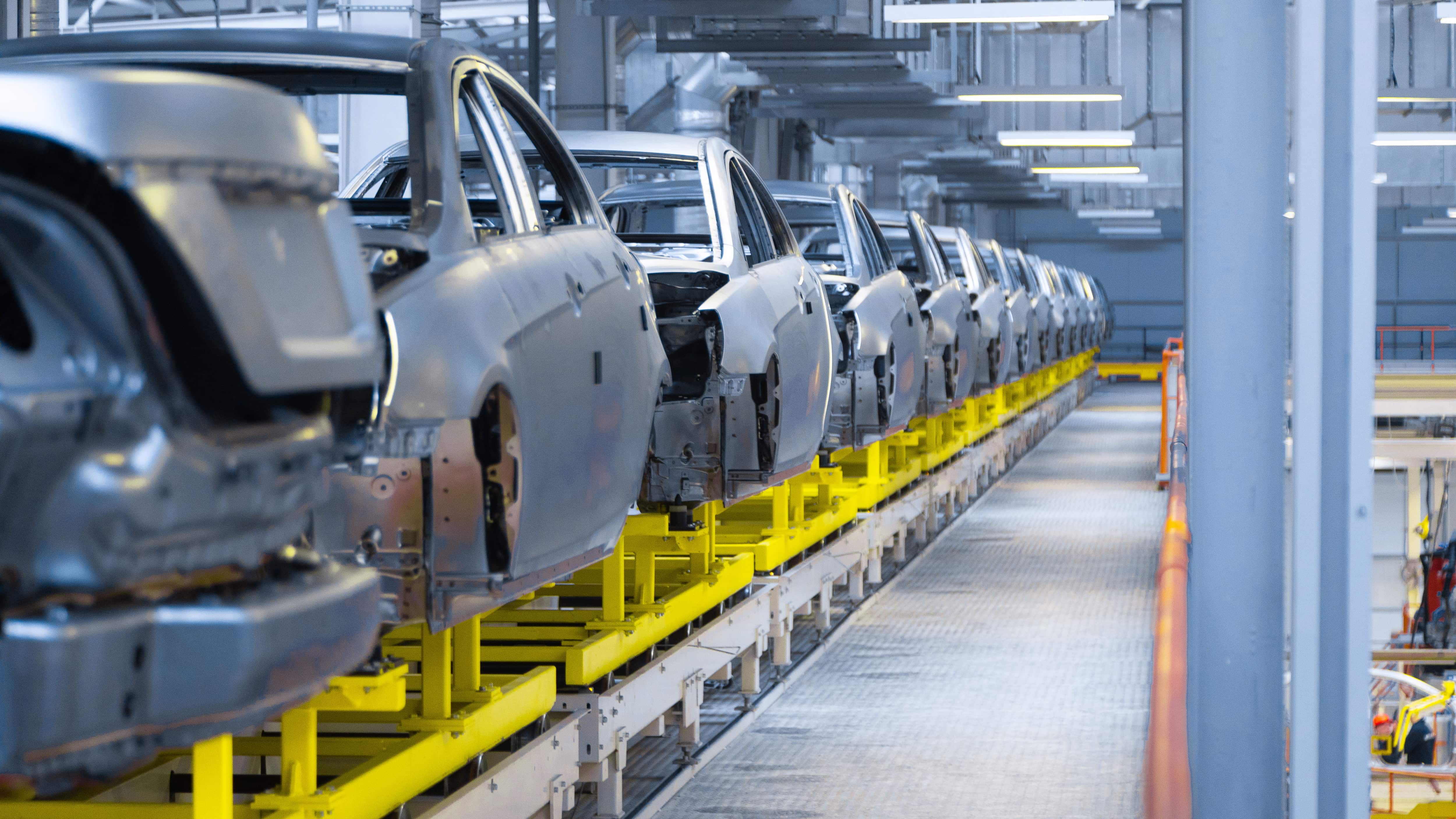
Vehicle assembly line
An auto industry outlook on investments in the Asia Pacific by BMI (a unit of Fitch Solutions) revealed that India attracted the maximum number of auto-related investments during Q1 2024. The BMI report tracked 38 new automotive manufacturing projects announced or inaugurated in Asia (valued at over $44.4 billionin total).India emerged as the most favoured investment destination, with nine of these investments.Following India were South Korea and Thailand, with six investments each.
However, the number of investments and the value of the investments tracked in Q1 2024 are downon a year-on-year basis. The number of projects dropped by 17.4%andthe value dropwas recordedat 36.6%.
Key reasonswhyinvestments in Indiawere recordedgoing up include the Red Sea crisis and the market focus on developing the semiconductor industry – the latter witnessed significantinvestments,alongside the Indian EV value chain’s development. According to the BMI report, the Indian government has approved investments tothe tune of$15.2 billion for developing three new semiconductor manufacturing plants. Given the Red Sea crisis, companies have also accelerated de-risking their supply chains, especially for India, by diversifying their logistic routes.
Also Read: Bosch Ventures boosts battery recycling with strategic investments in Cylib and Li Industries
The next boost for the Indian automotive sector could bethe reduction in thetaxation on hybrid cars. However, Nomura Ratings suggests the Finance Ministry is unlikely to take the matter up in the next GST council. As the proposal for this had been submitted to the Finance Ministry by Nitin Gadkari, Union minister for Road Transport and Highways, there were hopes thatit would be taken upin the next GST council meeting.
As for South Korea, the country performed well due to access to the US EV market, subsidies through the US Inflation Reduction Act (IRA), and increased collaboration by the local industry with Japan, Europe and US-based automotive players. In Thailand, geopolitical stability and lucrative government incentives, including tax holidays spanning three to 11 years for EV production, will help promote EV production in the country.