India imposes major rice export ban, prompting inflation concerns

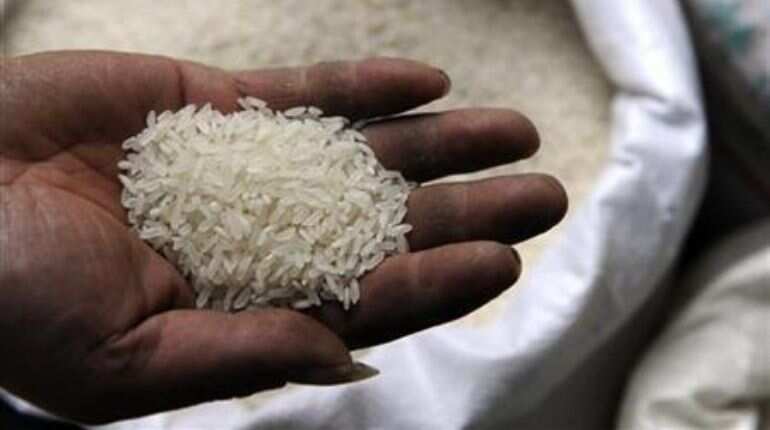
India is going to send rice to Sri Lanka amid economic crisis (representative image).
As clouds loom over global food grain supplies after Russia's withdrawal from the Black Sea grain deal, India has banned the export of rice with immediate effect, although the ban is limited to varieties of non-basmati white rice. India's move is likely to impact the global supply of rice, similar to what the conflict in Ukraine has done to other grains.
The uneven distribution of rainfall in the country during June, including a late start to seasonal monsoon rains in certain key rice-growing states and heavy rains in other regions, has led to concerns of a production shortfall. As a result, the decision to halt exports was triggered to mitigate the impact on the crop and ensure adequate supply.
The afflicted category, non-basmati white and broken rice, accounted for around 10 million tons of India's overall rice exports of 22 million tons last year. The administration stated late Thursday that the prohibition did not apply to parboiled rice, which accounted for 7.4 million tons of exports in 2022.
Reuters reported a Food Ministry statement saying that "In order to ensure adequate availability of non-basmati white rice in the Indian market and to allay the rise in prices in the domestic market, the government of India has amended the export policy."
Rice is a staple food for almost 3 billion people, and about 90 percent of the water-intensive crop is grown in Asia, where the El Nino weather pattern often results in decreased rainfall. Global prices have already reached their highest point in 11 years.
This week, as supply worries increased because of El Nino, the price of rice shipped from Vietnam reached its highest level in more than a decade. Vietnam is the world's third-largest exporter, after India and Thailand.
Food costs have been rising due to disruptions to supply chains from the Russia-Ukraine war, and unpredictable weather has also weighed on food prices.
The latest decision shows how concerned India is about rising food prices. With an eye on a general election coming up in less than a year, the government has restricted rice exports since September 2022.
It expanded the export ban on wheat to control prices and supply for domestic consumption, and this year's reduced cane yields pushed the center to limit sugar exports too.
India is crucial to the global rice trade as it is the world's top rice exporter and accounts for 40 percent of global exports.
India's record rice exports last year were more than the combined shipments of the world's next four biggest exporters; the country's rice shipments reached a record 22.2 million metric tons last year. India's export ban will weigh on prices as it ships rice to over 140 nations.
(Inputs from Reuters)