

As we track global trends in tax policies, Indian consumers may be headed for a major cut in indirect taxes.
Finance Minister Nirmala Sitharaman has hinted at a major rehaul to the country's goods and services taxes and has even suggested that we may be headed for tax rate cuts.
The proposed changes could ease prices for households while giving a boost to business sentiment.
Items under the 12% tax slab rate
Just last week, reports suggested that the GST council was looking to do away with the 12 per cent tax slab to make compliance easier.
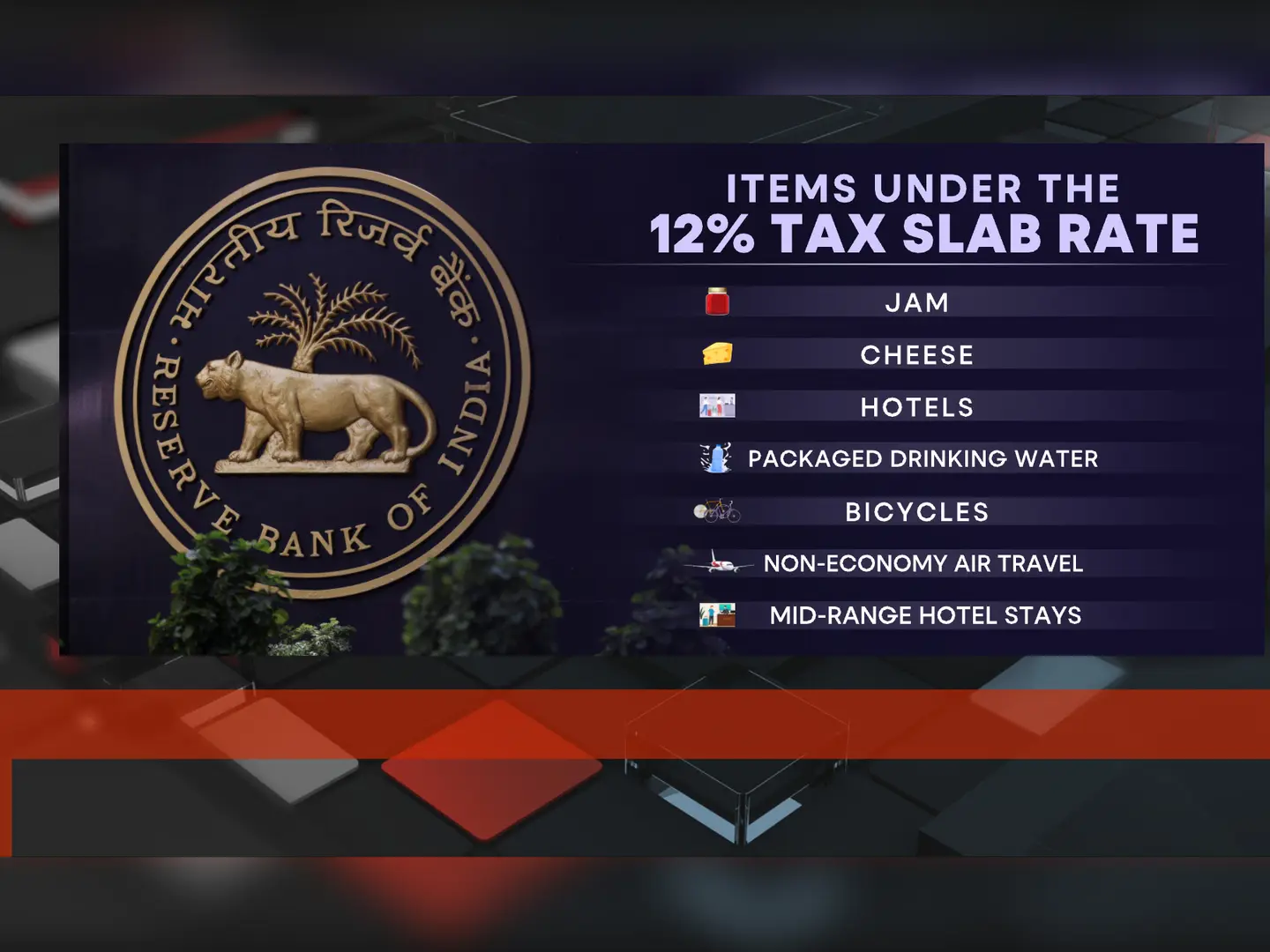)
Graphics showcasing items under the 12% Tax Slab Rate Photograph: ()
The proposal added that essentials under the 12 per cent tax slab would be moved into a lower tax slab.
However, much will depend on how these reforms are structured and whether they strike the right balance between simplicity and revenue needs.
Lower GST rates could translate to reduced costs on goods and services, offering some relief from persistent inflation.
A streamlined structure might also help make pricing more transparent.
From an economic standpoint, simplifying the tax regime could improve compliance and reduce operational friction for businesses.
Still, concerns remain around how this will affect states’ revenues, which are partly dependent on GST collections.
Small businesses, while potentially benefiting from reduced complexity,
May still face challenges adapting to new structures and reporting requirements.
Internationally, India’s push mirrors a broader trend of tax reform aimed at economic competitiveness.
The restructuring also seeks to address long-standing inefficiencies, but implementation will be key.
As the country awaits the next GST council meeting, optimism is tempered by the need for careful design and broad-based consensus to ensure the reforms are both sustainable and equitable.
