India anticipates first drop in thermal coal imports amid rising domestic production

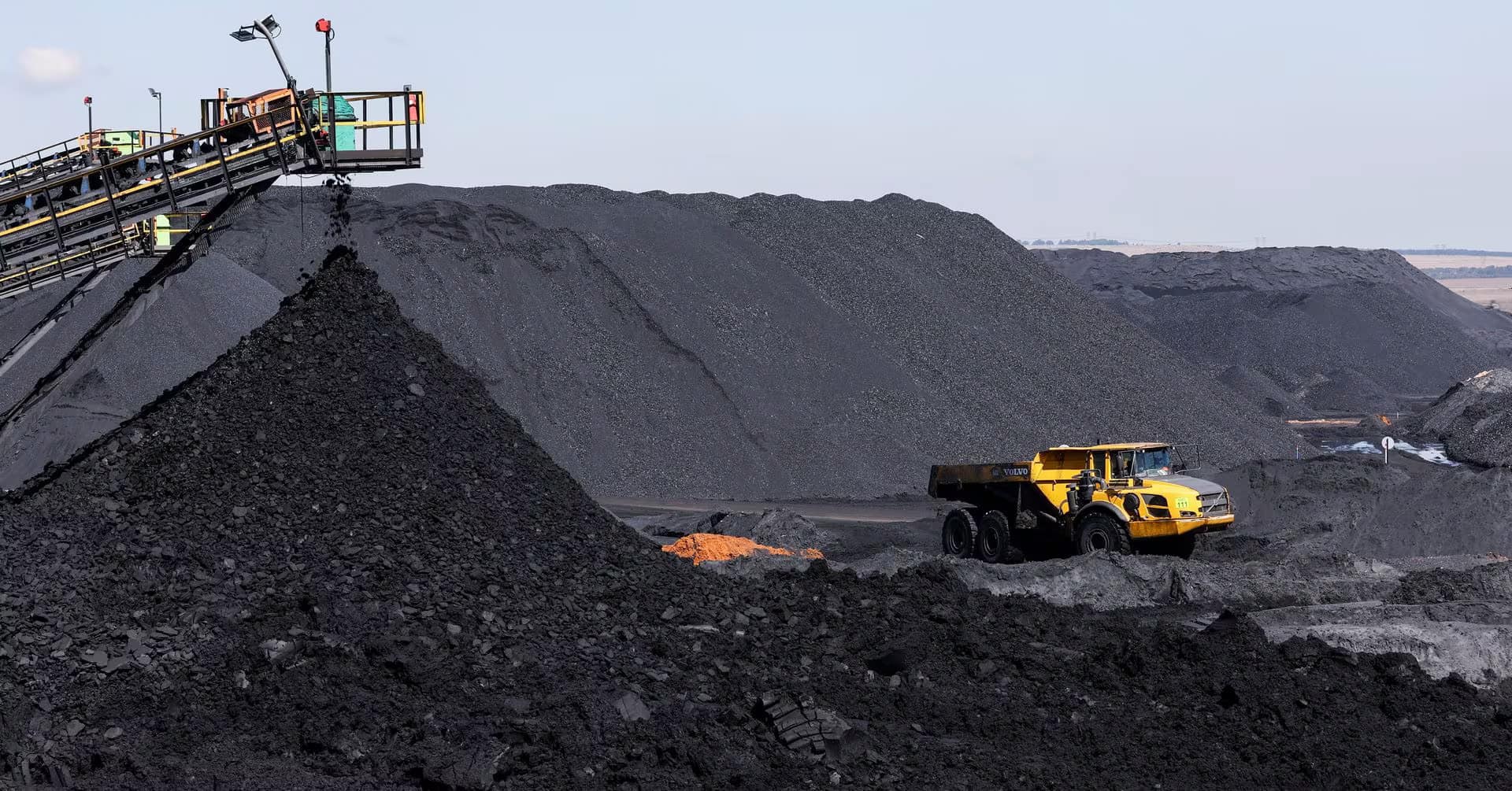
File photo
India, the world's second-largest coal importer, is reportedly set to witness a decline in thermal coal imports for the first time since the COVID-19 pandemic, according to industry officials at the Coaltrans India conference held in Goa.
Eight out of eleven coal traders indicated an expected decrease in shipments, attributing the shift to increased domestic coal production and record-high inventories.
The surge in production from Coal India, the world's largest miner, has led to stockpiles reaching over 43 million metric tons, prompting increased sales to non-power sector users such as sponge iron and aluminium smelters, which traditionally relied on imports.
Pawan Kumar, head of coal sourcing at power producer SEIL Energy India, predicts a more than 3 per cent drop in thermal coal imports to 170 million tons.
Rodrigo Echeverri, head of research at Noble Resources, forecasts an even steeper decline of nearly 6 per cent.
The anticipated decrease comes after India imported 176 million tons of thermal coal in 2023, primarily driven by power plants.
Rajat Handa, vice president of international trade at Agarwal Coal, noted that domestic production has increased, and coal is readily available at competitive prices, leading to a shift away from imports.
The potential decline in coal imports could impact major exporters like Indonesia, South Africa, and Australia, which collectively contribute about 90 per cent of coal shipments to India.
The global coal market is also expected to face oversupply for the first time since 2020, according to Noble Resources.
Factors contributing to this oversupply include a warmer-than-usual winter, a global economic slowdown, and tepid buying by Europe due to high gas inventories.
Echeverri estimates an oversupply of 32 million tons in 2024.
Lower demand for coal imports in India may add pressure to prices, especially as the market grapples with a 70 per cent plunge from record highs triggered by Russia's invasion of Ukraine in 2022.
"The market will need to be saved by China in 2024 (again),” Reuters quoted Echeverri as saying.
Apart from utilities, cement plants, steel, and sponge iron plants were significant drivers of Indian coal imports in 2023.
Despite a potential decline in imports by utilities, the growth in cement and steel industries remains a positive aspect, providing some resilience to the coal market, as reported by Indian trading and analytics firm I-Energy Natural Resources.
However, the industry expects challenges due to higher freight rates, with K.C. Gandhi, joint president of materials management at Shree Cement, stating that disruptions in the Red Sea and challenges at the Panama Canal contribute to elevated freight rates, offsetting the benefits of ample availability.
Cement sector imports are expected to align with the industry's projected growth of over 7 per cent.
(With inputs from Reuters)