G-7 services remain unaffected despite Russia's flagship oil price crossing $60

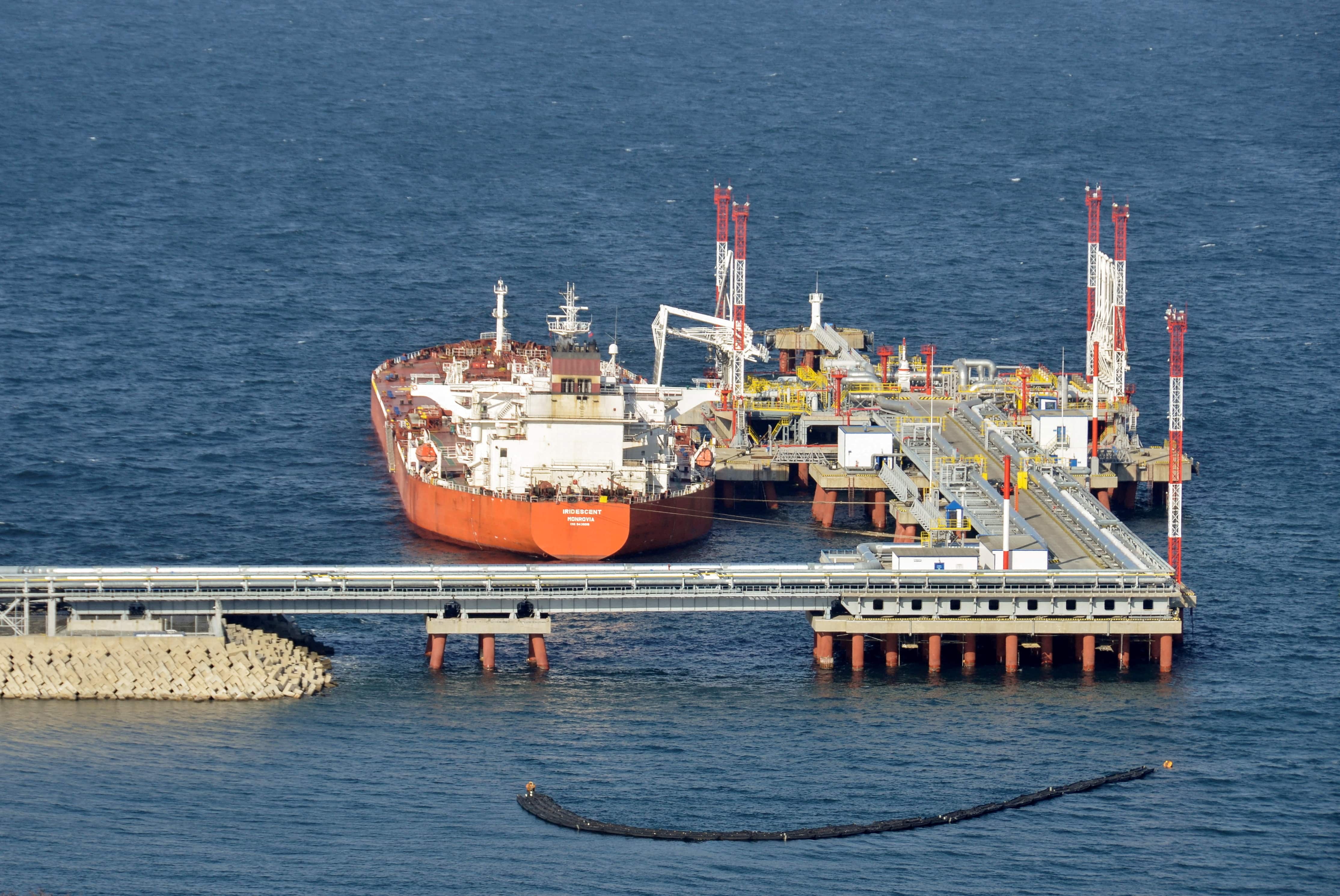
Russia oil exports
The Group of Seven's (G7) imposed cap on Russia's flagship oil price has seen limited repercussions on the provision of Western trade services as the price surged beyond the cap.
The number of ships calling at the nation's ports that are either owned or insured by the West has decreased marginally since early July—before the Urals soared above $60—but they remain an important element of Moscow's petroleum supply chain.
Corporations headquartered in countries that had agreed to the quota controlled about 40 percent of tankers lifting oil from Russia's Baltic and Black Sea ports. Before breaching the threshold, Westerners owned almost half of these tankers. Many people still have insurance that is routed through London.
Earlier this month, a senior US government official stated that they are not measuring the efficacy of the limit based on how much Russian oil trades below $60. What matters is if Russian oil revenues are lower in aggregate than they would be in the absence of price control. And, according to that criteria, the measure is effective, he added.
Though technically the price of Russian oil must be $60 or less for companies in the US, EU, or G-7 to provide services such as vessels and insurance, all that is required in practice is a written pledge—known as an attestation—that the cargo was purchased below that threshold.
Furthermore, it is unclear how much further due diligence individual owners and insurers are performing on the cargoes or why they are continuing to provide their services.
However, owners and insurers have long contended that knowing the precise price at which a cargo moves is hard since longer-term transactions may differ from short-term market values. Outside of the EU and the G-7, there are no limits on service providers.
Insurers have recently complained and publicly expressed their concerns regarding the risks associated with providing coverage for cargoes through the attestation mechanism.
Moreover, there has been a decline in the number of vessels visiting Russian ports with standard industry insurance offered by members of the London-based International Group of P&I Clubs.
This percentage has decreased from over 60 percent of port calls in the period before Urals crude exceeded the cap to approximately 45 percent. Insurers often maintain standard policies that stipulate coverage becomes void if a cargo or journey breaches stipulated penalties.
(Inputs from Bloomberg)
WATCH WION LIVE HERE