Flashback Friday: ‘Twist, Lick, Dunk’ - unveiling the sweet story of the Oreo biscuit

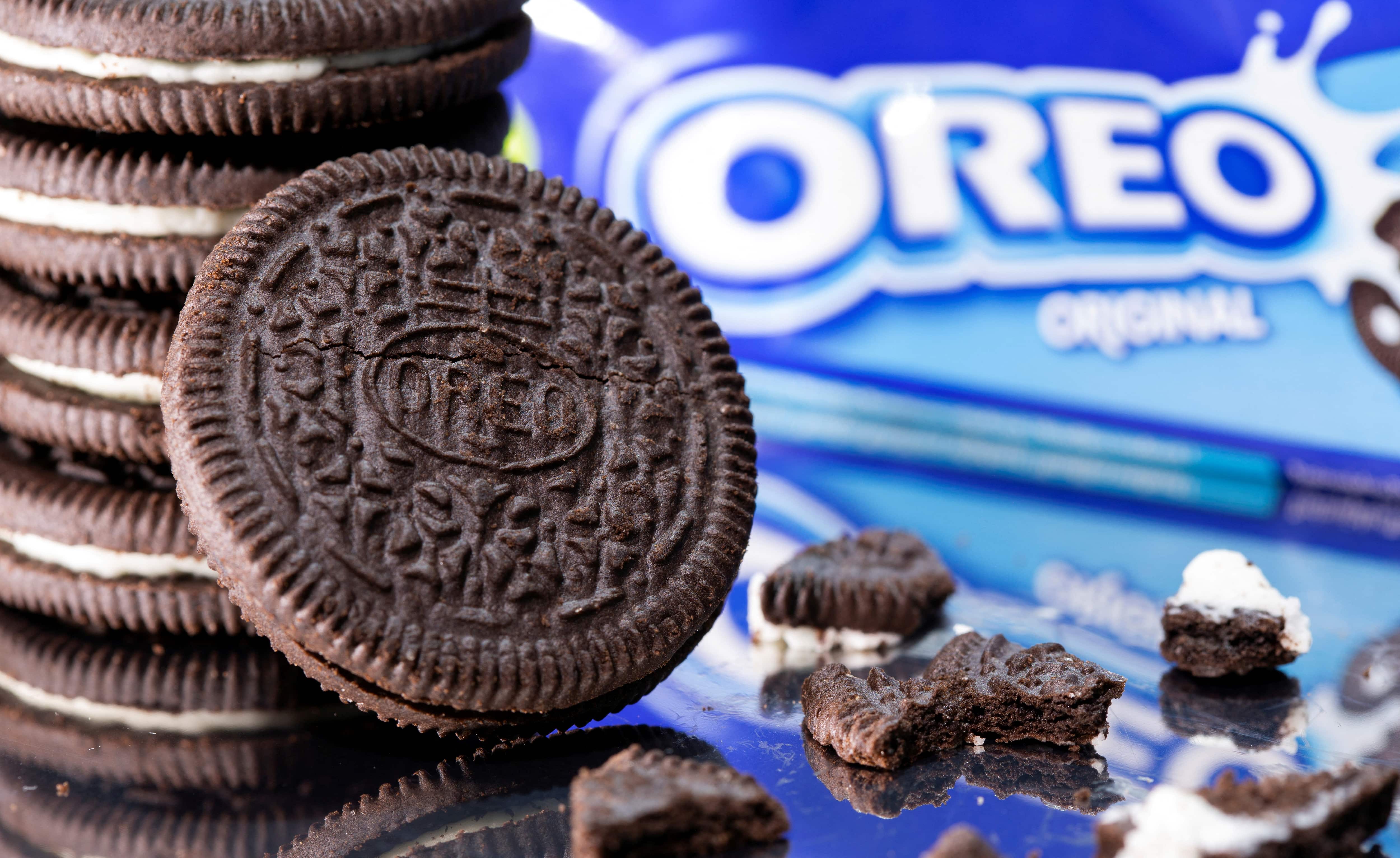
Oreo biscuits.
There aren't many brands that come to one’s mind when we think of a chocolate biscuit with a vanilla filling had along with a glass of milk apart from Oreos.
Its iconic twist, lick-and-dunk tagline and classic blue packaging have established its place in innumerable childhood recollections globally.
However, Oreo's history is not limited to its delectable flavour. Behind the success of this famous biscuit comeclever marketing strategies and cultural adaptation.
In this edition of Flashback Friday we see how this biscuit became a global sensation;making its way to Oreo McFlurries, milkshakes and even cheesecakes.
Early beginnings
In 1912, the National Biscuit Company (later known as Nabisco) sought to broaden its range of cookies.
They present the Oreo, a fresh chocolate sandwich biscuit with a filling of vanilla cream that would contrast the flavours of chocolate.
The biscuit gained popularity fast because to its unique appearance and the taste combination.
However, Oreo was not the first biscuit of its kind. Some sources claimed that Hydrox, which was released by Sunshine Biscuits a few years prior, was the original.
The case is made more intriguing by the historical records suggesting that the founders of Sunshine and Nabisco may have been rival siblings.
Beyond imitation
It would be a disservice to Oreo's inventive spirit to attribute its success to just how similar it is to existing biscuits
Nabisco consistently pushed limits, realising the potential of the sandwich cookie format.
What made Oreos unique was the biscuit's distinctive "snap" attained through a specific baking process.
In order to keep the product brand new and exciting for customers, Oreo also embraced variations, launching flavours including Double Stuf in 1974 and Peanut Butter in 1980.
Marketing magic
The reason behind Oreo's ongoing success is mostly due to its marketing strategies.
The brand has continuously upheld a good and captivating image, from its early days of showcasing quirky characters like "Dunc the Dog" to its present focus on relatable and inclusive advertising campaigns.
In addition to being a global phenomenon, the famous "twist, lick, dunk" ritual—which was made popular by witty commercials—also ingeniously promoted portion control and an original manner to consume the biscuit.
Adapting to a global stage
As Oreo's popularity spread around the globe, Nabisco displayed outstanding cultural awareness.
The company realised that in the global market, a one-size-fits-all strategy would not be effective.
In order to accommodate regional tastes, it introduced regionally distinct flavours, such as matcha in Japan and green tea in China.
Furthermore, marketing efforts were modified to align with various cultural contexts, guaranteeing Oreo's global relevance and connection.
From controversy to collaboration
There have been difficulties along the way for Oreo.
Concerns about the company's sustainability policies and ingredient selection have been raised.
Nevertheless, Nabisco has taken proactive measures to address these worries, including the introduction of healthier choices and the adoption of sustainable sourcing methods.
Furthermore, Oreo has welcomed cooperation, collaborating with other well-known companies like Kit Kat and even releasing co-branded goods, proving its flexibility and ability to change with the times.