Federal Reserve holds interest rates steady, delays rate cuts

Focus shifts to Fed’s Jackson Hole Interaction as Markets rebound
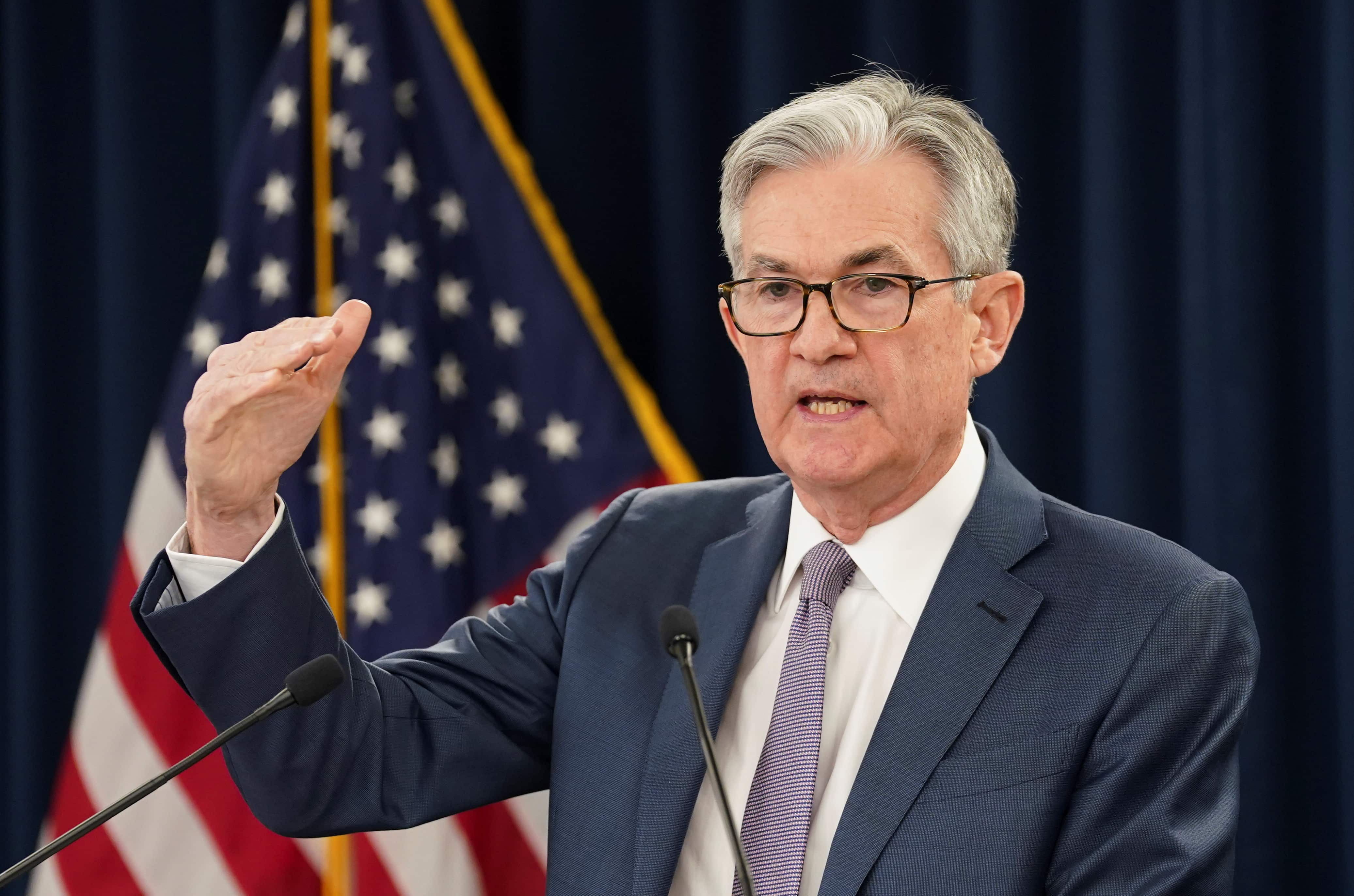
On Wednesday, the Federal Reserve chose to keep current interest rates unchanged, implying that any rate decreases may not occur until December. This decision is consistent with the Fed's assessment of an economy that has performed consistently across key parameters in recent years. Fed Chair Jerome Powell stated that the current economic conditions, which are marked by strong growth and low unemployment, do not need quick rate adjustments.
Focus on inflation and the labour market
Powell remarked that the Federal Reserve is content with its present rate policy until there is a dramatic change in economic signals, such as a sharp drop in inflation or an increase in unemployment. "These dynamics can continue for as long as they continue," Powell said at a press conference concluding the two-day policy meeting. He added that inflation had declined without significantly affecting the economy, implying that this trend may continue.
Because of the Fed's conservative approach, inflation is likely to gradually fall to the 2 per cent target. The central bank's preferred inflation measure, the personal consumption expenditures (PCE) price index, is expected to remain essentially steady for the rest of the year, with only a quarter-point rate drop planned.
Market reactions and future projections
The market reacted positively, with the S&P 500 and Nasdaq Composite indexes closing considerably higher. In reaction, the US currency and Treasury yields plummeted. Investors mostly maintained their forecasts for quarter-point rate cuts in September and December, suggesting confidence in the Fed's strategic posture.
Powell admitted that future rate decreases would be based on thorough data analysis, including inflation patterns, labour market conditions, and overall economic development. "We don't make decisions about future meetings until we get there," he stated, highlighting the Fed's data-driven strategy.
Long-term economic outlook
Despite a weak first quarter, the Fed expects the economy to grow at an above-trend rate of 2.1 per cent this year, with unemployment remaining stable at 4 per cent. The policy statement underlined the persistence of strong employment gains and robust economic activity.
The Federal Reserve also raised its long-term "neutral" rate, which is necessary to keep inflation under control while preserving growth, from 2.6 per cent to 2.8 per cent. This change reflects the Fed's forecast for longer-term inflationary pressures.
Powell pointed out that, while the long-term rate adjustment has no direct impact on short-term rate projections, the Fed is regularly monitoring the restrictiveness of its monetary policy, which has been severely tightened over the previous two years to combat high inflation following the epidemic.
(With inputs from Agencies)