FAME-II guidelines were clear and companies defaulted knowingly: Govt

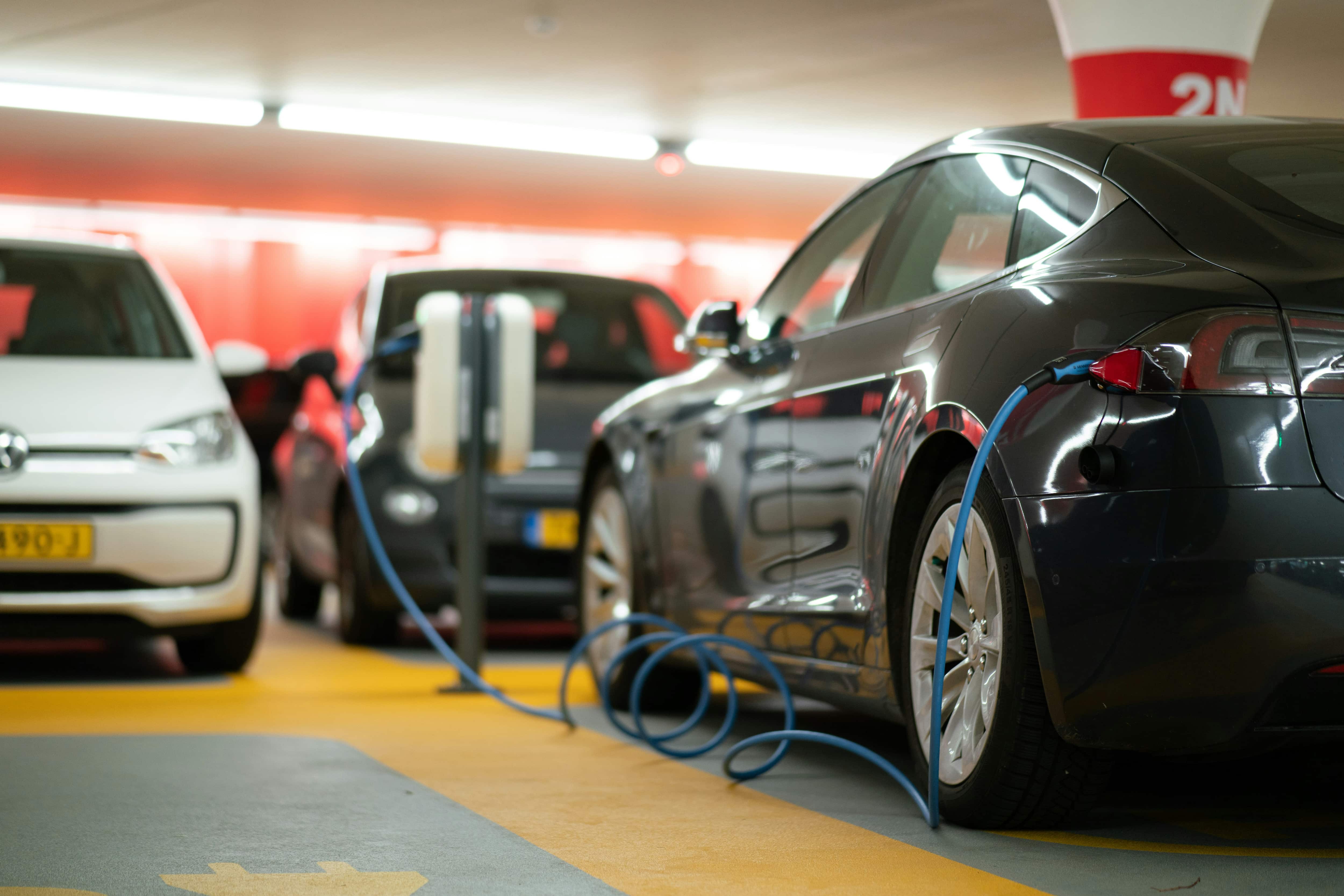
Electric vehicles (Photo: Michael Fousert/Unsplash)
The Union Ministry of Heavy Industries (MHI) , in its latest report, has stated that some companies have defaulted the FAME-II guidelines despite them being clear. The ministry formed a high-level panel headed by the Additional Secretary to investigate the FAME-II scam and the role of those responsible for the subsidy irregularity, according to media reports. The panel submitted its findings earlier in May.
The panel had been investigating the issue for a while now and after examining all its notifications and guidelines, effectively concluded that the FAME-II scheme guidelines were quite clear and that the companies defaulted on subsidies knowingly. The MHI had received seventeen complaints regarding misappropriation of subsidies under FAME-II by some electric vehicles manufacturers about the violation of Phased Manufacturing Programme (PMP) guidelines.
Manufacturers who defaulted on these subsidies include six leading brands - Hero Electric, Okinawa Autotech, Ampere EV, Benling India, Revolt Intellicorp and Amo Mobility. These companies were found to be seeking subsidies for imported products which violated the phased manufacturing guidelines of FAME-II. Following this, these OEMs were asked to pay back an amount of INR 469 crore.
The panel said that the timeline for localisation and the requirements were framed in due consultation with all stakeholders, including industry players and testing agencies. It was also noted that the concerned testing agencies followed a uniform and consistent procedure during the enquiry process. “This report has been accepted by the competent authorities,” the officials said.
This investigation was launched in April 2023 to challenge a previous report stating that the FAME-II guidelines were not clear. It probed procedural lapses and the role of government officials in misappropriation of the subsidies to these manufacturers.
The FAME-II scheme commenced on April 1, 2019 for a period of five years with a total budgetary support of INR 10,000 crore. The second phase mainly focuses on supporting electrification of public and shared transportation, and aims to support through demand incentive 7,090 e-buses, 5 lakh e-three-wheelers, 55,000 e-four-wheeler passenger cars and 10 lakh e-two-wheelers. In addition, creation of charging infrastructure is also supported under the scheme.
