Explained: The ads case against Patanjali

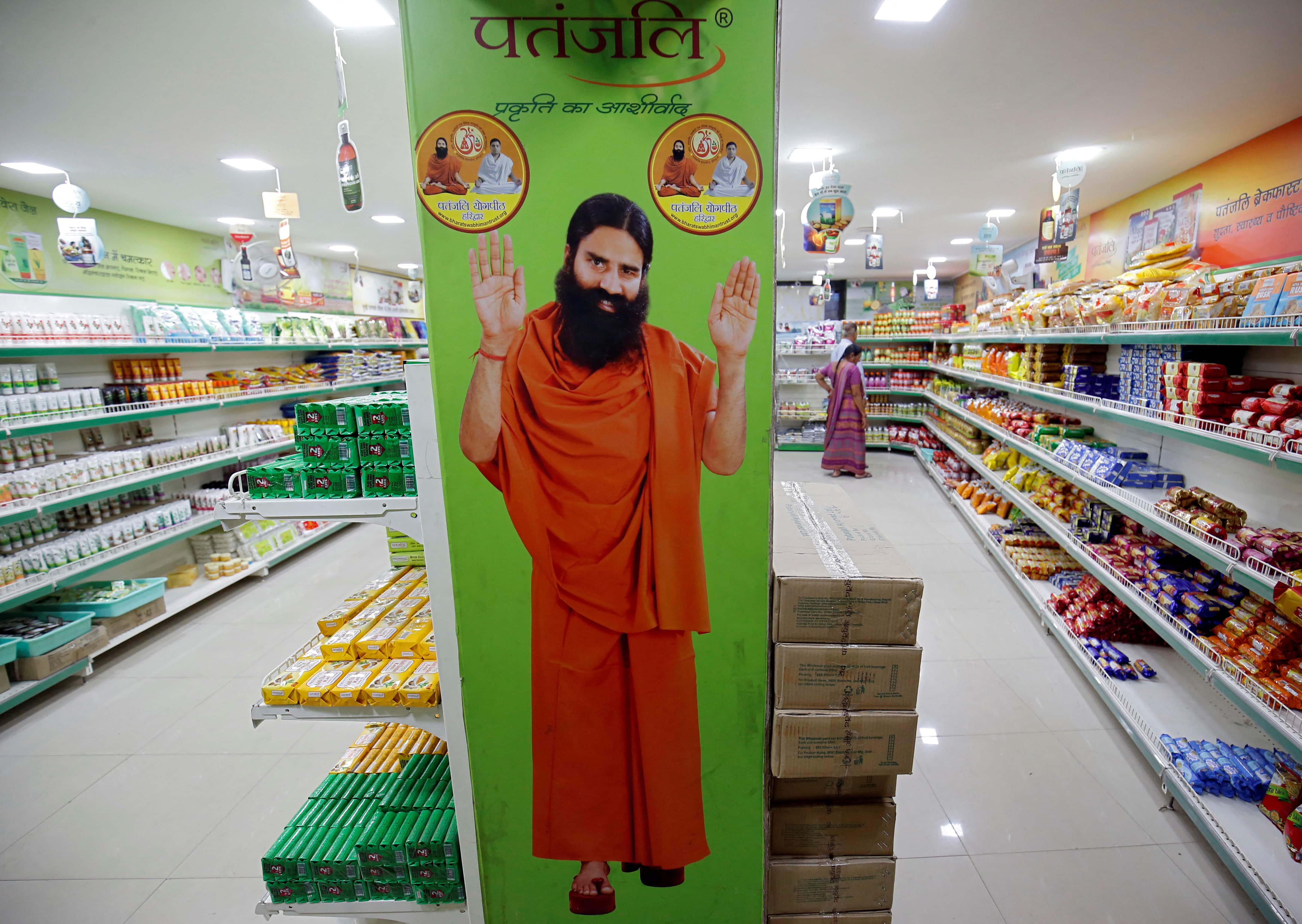
A hoarding with an image of Baba Ramdev is seen inside a Patanjali store in Ahmedabad
What happens when your brand ads boast of something that's not really true?
India's top court has an answer - "We will rip you apart."
The Supreme Court of India has tightened the noose around Patanjali Ayurved, rejecting a second apology from the company, its founder Baba Ramdev, and managing director Acharya Balkrishna.
The top Court bench including Hima Kohli and Justice A Amanullah directed the state licensing authority to take action against Patanjali and ordered the company to explain its continued defiance through detailed affidavits.
The court's ire was not just directed at Patanjali's misleading advertisements but also at the Uttarakhand government's inaction.
This is the latest in a long-running legal saga that began in August 2022.
What is the court miffed about?
Patanjali's advertisements claiming to cure multiple and serious ailments, including the Covid-19.
The court remarked, "What about all the faceless people who have consumed these Patanjali medicines stated to cure diseases which cannot be cured?"
The next hearing is scheduled for next week.
Background in 10 points
- The Indian Medical Association (IMA) filed a petition against Patanjali after a series of advertisements boasting that their products could cure chronic illnesses like diabetes, blood pressure, and even COVID-19.These claims directly violated the Drugs and Magic Remedies (Objectionable Advertisements) Act, 1954, which prohibits misleading advertising of medical products.
- It began after Patanjali launched a product called Coronil in February 2021, just before the second wave of the COVID-19 breakout. Union Health Minister Harsh Vardhan attended the product launch event.In its ads, the company claimed Coronil was the "first evidence-based medicine for COVID-19" and the ad poster read the product was certified and recognised by the World Health Organisation (WHO).
- However, the troubles began for Patanjali when WHO denied it had certified any natural medicine to cure coronavirus.The IMA immediately launched an attack on Patanjali, calling the WHO certification claim as a "blatant lie" and asked for an explanation from the health minister, who is a doctor too.
- Patanjali's founder, Baba Ramdev took the fight to the IMA by declaring allopathy as a killer of lakhs of people in a video that went viral.
- In response, the IMA sent a legal notice to Ramdev seeking an apology and withdrawal of those statements on allopathy. Patanjali did not stop there.In 2022, the firm's ads in leading newspapers in the country read, "Misconceptions Spread By Allopathy: Save Yourself And The Country From The Misconceptions Spread By Pharma And Medical Industry."
- In response, the IMA filed a case against the firm.
- After several hearings, the Supreme Court in November 2022 threatened Patanjali of heavy fines and warned the firm against misleading ads on curing serious ailments like diabetes & high blood pressure.Patanjali reassured the top court that it would not make off hand claims on super pills or magical medicines in its ads.The company also said, "henceforth, there shall not be any violation of any of the laws, especially relating to advertisement and branding of products."
- Did Patanjali ignore that directive?
- In January, an anonymous letter to the top court showed misleading ads from Patanjali in leading newspapers post the Supreme Court's ruling in November 2023.
- The Supreme court took note and sent contempt notices to Ramdev and the managing director in February 2024. What irked the top court more is the defiance of Patanjali, which did not file a reply to the contempt order.
Broader implications
This case exposes the vulnerability of consumers to misleading advertisements by FMCG companies in India. The easy availability of such ads, often preying on gullible individuals, poses a significant public health risk. The Supreme Court's intervention is a crucial step to protect consumers and ensure they are not swayed by false claims about medical products.
However, the bigger question this case raises is the ineffectiveness of the existing legal framework. The Drugs and Magic Remedies Act, enacted in 1954, seems to have significant loopholes. Patanjali's repeated offenses highlight the Act's inability to effectively deter misleading advertising. Additionally, the meagre penalties imposed under the Act do little to discourage companies from indulging in such practices.
The Supreme Court's ruling is a welcome intervention. However, a more robust legal framework with stricter penalties and efficient implementation by regulatory bodies is essential to prevent misleading advertisements and protect public health from exploitation.