Enterprise Products gets US approval to resume ethane exports to China

&imwidth=600&imheight=450&format=webp&quality=medium "Enterprise Products gets US approval to resume ethane exports to China")
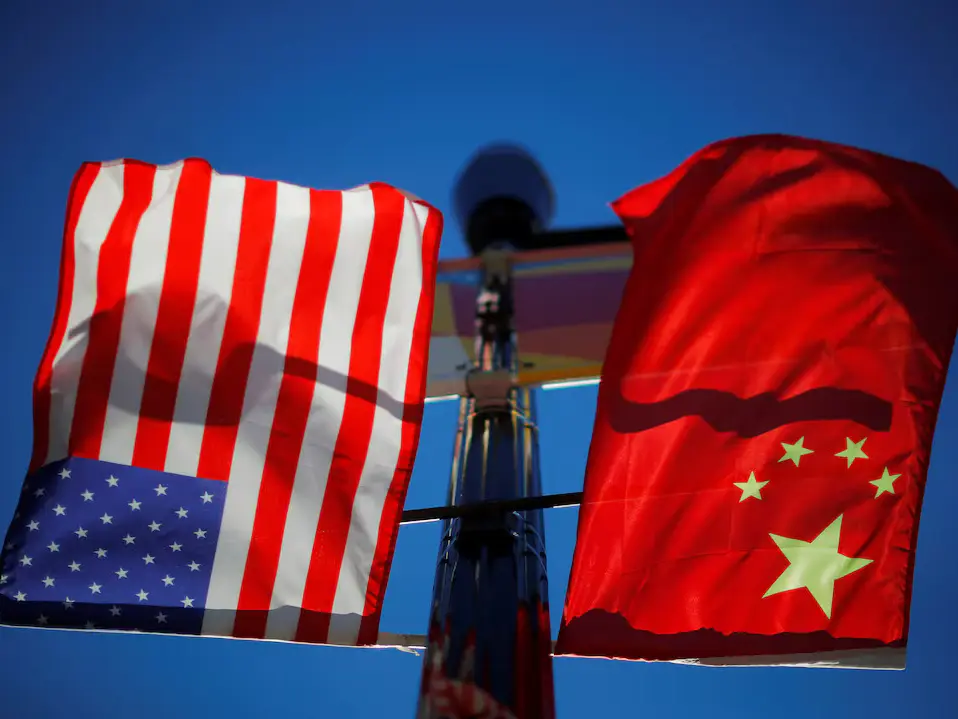
The flags of the United States and China fly from a lamppost in the Chinatown neighborhood of Boston, Massachusetts, U.S., November 1, 2021. Photograph: (Reuters)
Prior to the restrictions imposed by the US on ethane exports, about half of all US ethane exports went to China, where it is used as a cheaper feedstock for plastic manufacturing.
The US government has cleared the way for Enterprise Products Partners to resume ethane exports to China, lifting a licensing restriction imposed just weeks earlier. The decision marks a shift in US-China trade relations as tensions between the two countries ease following a dispute over rare earth minerals. In late May and early June, the US had introduced new controls on various exports, including ethane, in response to China’s delays in sending critical rare earth materials to the US. These rare earths are essential for industries like automotive manufacturing. The new curbs on ethane had a direct impact on both US exporters and Chinese petrochemical producers, as China is a major consumer of US ethane, which is primarily used in the production of plastics and chemicals.
However, after the US and China reached an agreement last week over the flow of rare earth minerals and magnets to the US, the restrictions on ethane were revoked. The US Department of Commerce sent a letter on July 2 to Enterprise Products Partners, Energy Transfer, and other key exporters, informing them that they could resume loading ethane on vessels bound for China without the need for further US authorisation. This move is seen as a positive step in the current phase of US-China relations, which are showing signs of improvement.
Impact on the US ethane market
Ethane, a natural gas liquid extracted from shale gas, has become increasingly important in the global petrochemical industry. Prior to the restrictions, about half of all US ethane exports went to China, where it is used as a cheaper feedstock for plastic manufacturing. The halt in shipments caused a significant dip in exports, with June exports falling to just 57,000 barrels per day, the lowest level ever recorded.
The rollback of export restrictions is a welcome relief for US energy producers, who had been facing the prospect of a prolonged trade disruption. It also signals a potential thaw in the broader US-China trade tensions, offering hope for more stable trade relations moving forward.