Disasters have caused $3.8 trillion crop, livestock losses over 30 years: FAO report

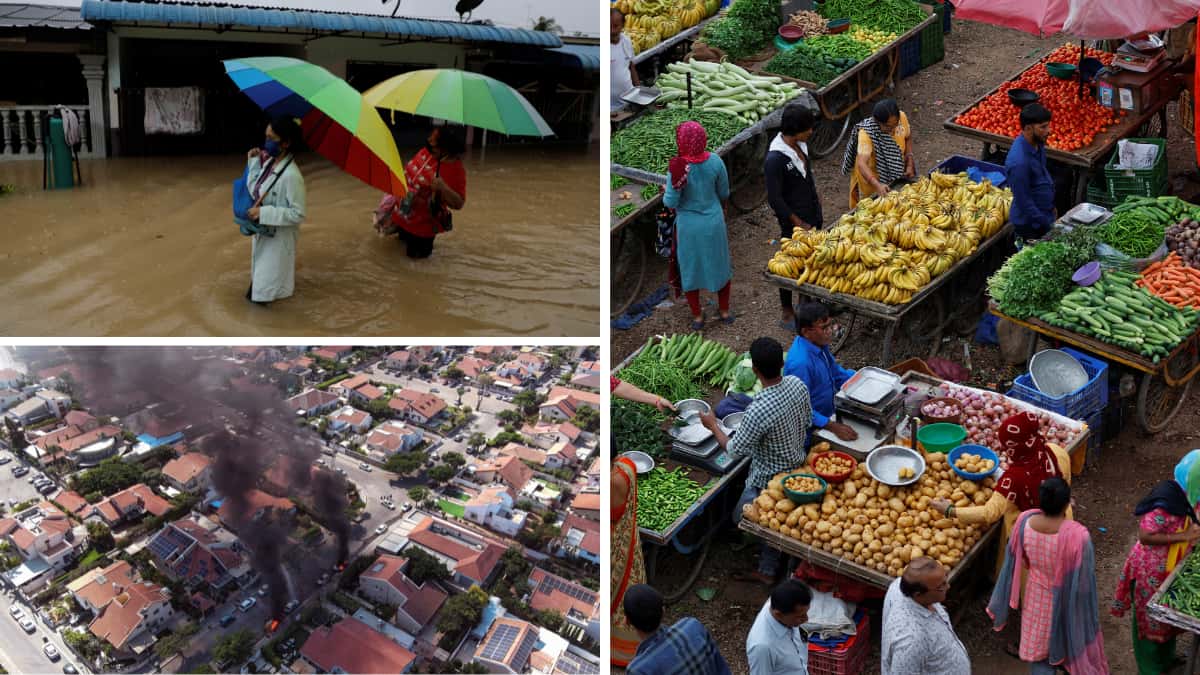
Floods and war affecting food production
Natural and man-made disasters have led to $3.8 trillion in crop and livestock losses over the last three decades, said the United Nations Food and Agricultural Organization (FAO) on Friday (Oct 13) in its first-of-its-kind report that attempted to compile such an estimate. The world has also lost over $120 billion per year which amounts to five per cent of the annual global agricultural GDP.
Findings of the report
The UN food agency estimated that disasters like floods, droughts, insect infestations, storms, disease and war have caused $123 billion every year in lost food production between 1991 and 2021, which would have been enough to feed up to half a billion people per year.
The new report by FAO titled “The impact of disasters on agriculture and food security” shows the first-ever global estimation of the impact on agricultural production with a focus on crops and livestock due to disasters and aims to put into context the scale of the cost of such events.
The report also highlights the need for urgently improving data and information on the impact of disasters and notes how they have increased in frequency from 100 per year in the 1970s to a whopping 400 events per year in the past 20 years.
According to FAO, the average annual grain losses amounted to 69 million tonnes in the last three decades or so – which is equivalent to the entire cereal production of France in 2021.
Additionally, the world lost some 40 million tonnes of fruit and vegetable production and 16 million tonnes of meat, dairy and eggs to disasters. Around 23 per cent of losses due to disasters were sustained in the agricultural sector.
“Agriculture is one of the most highly exposed and vulnerable sectors in the context of disaster risk, given its profound dependence on natural resources and climate conditions. Recurrent disasters have the potential to erode gains in food security and undermine the sustainability of agrifood systems,” said FAO Director-General QU Dongyu in the report.
The UN food agency also found that lower and lower middle-income countries witnessed “highest relative” losses of up to 15 per cent of their total agricultural GDP. While Small Island Developing States (SIDS) reportedly lost seven per cent of their agricultural GDP.
Impact on women
According to the FAO, women were also hit harder than men due to these disasters. This has been attributed to resource and structural constraints which women face to access “information, financial instruments, the resources that they need to prepare to respond to or recover from disaster events,” said the report’s author, Zehra Zaidi.
Situation to worsen?
The FAO has identified climate change as one of the “systemic drivers of disaster risk” while other factors include pandemics, epidemics and armed conflicts.
ALSO READ |World sugar prices hit 13-year high in Sep due to El Nino; food price index 'mostly stable': FAO
According to the UN food agency, the disaster events are not only increasing in frequency but also becoming more intense and complex.
“The international community is taking stock of the fact that disasters are... increasing tremendously...quadrupling since the 1970s” and are having an increasing impact on food production, the deputy head of FAO’s statistics department, Piero Conforti, told AFP.
(With inputs from agencies)
WATCH WION LIVE HERE
You can now write for wionews.com and be a part of the community. Share your stories and opinions with us here.