Confidence in China from US firms at all-time low

China US
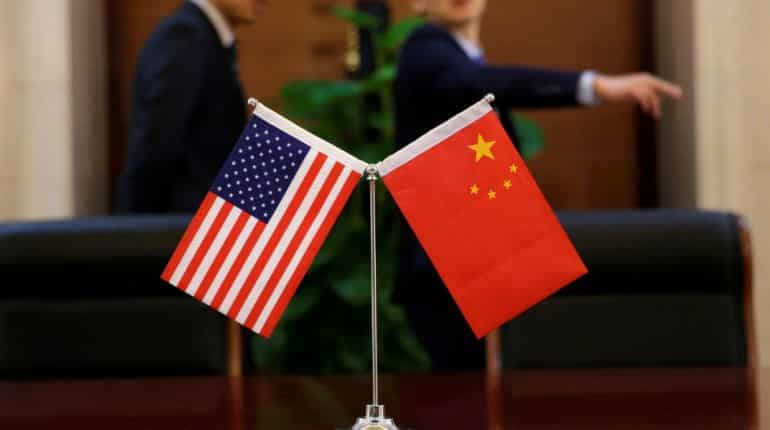
Confidence among American businesses operating in China reached an all-time low as unrelenting geopolitical tensions and a further weakening Chinese economy made times tough for foreign firms operating there as explained in a CNBC report.
Only 66 per cent of 306 member firms surveyed reported profitability for 2023, the lowest rate ever recorded, according to today's report from the American Chamber of Commerce in Shanghai.
Results reflect a sudden contraction in some of the measures of fundamental confidence, as only 47 per cent of the respondents have expressed optimism concerning five-year business prospects in China. It also found a record 25 per cent of companies saying they planned to decrease investment in the country over the last year.

The cited main reasons for the decline in investment are the poor performance of China's economy. The report said tense relations between Washington and Beijing, combined with geopolitical uncertainties, remain the key challenges to operations alongside the overall economic environment in China. "Rising geopolitical tensions, in particular with looming elections in the United States amid increasingly contentious trade disputes, aside from China's slowing economy, are forcing firms to expand risk management and adjust investment plans correspondingly," the chamber said.
In a separate report, the US China Business Council explained that problems with China's economy came second in a list of urgent concerns of American companies this summer, after the relations between the US and China. Issues of weak domestic demand and resulting overcapacity have hurt profitability, which, in turn, is inducing pessimism in the medium-term outlook of businesses. Besides, companies are giving up market share to Chinese competitors who enjoy more significant government support.
&imwidth=180&imheight=135&format=webp&quality=medium)
Wasim Jaffer blames Ajit Agarkar-led selection panel for Virat Kohli’s Test retirement
&imwidth=180&imheight=135&format=webp&quality=medium)
Sidhu Moose Wala’s younger brother wins hearts by recreating late singer’s signature move at Toronto Hologram Show
&imwidth=180&imheight=135&format=webp&quality=medium)
Top AI models flunked a test of inventing new AI research, so much for self-improving AI
&imwidth=180&imheight=135&format=webp&quality=medium)
Other Mommy leads North American box Office as Verity, Resident Evil round out top four
&imwidth=180&imheight=135&format=webp&quality=medium)
Microsoft's Nadella says treat every AI model as already hacked, and build an 'emergency brake'
&imwidth=180&imheight=135&format=webp&quality=medium)
UK school ditches technology, shifts from screen to pen and paper for learning
&imwidth=180&imheight=135&format=webp&quality=medium)
China imposes first-ever sanctions on ministers from Taiwan allies: What this means
&imwidth=180&imheight=135&format=webp&quality=medium)
Diljit Dosanjh’s Delhi concert gets a new date: When and where to catch the singer
&im=FitAndFill=(700,400)&imwidth=180&imheight=135&format=webp&quality=medium)
Navratri 2026: 9 days, 9 forms of Goddess Durga and 9 colours- Check the complete list
&imwidth=180&imheight=135&format=webp&quality=medium)
McSweeney reveals how studying Virat Kohli’s YouTube clips helped Australia A conquer India
&imwidth=180&imheight=135&format=webp&quality=medium)
Saif Ali Khan is finally on Instagram! Here's what he shared in his first post
&imwidth=180&imheight=135&format=webp&quality=medium)
Anti-SIR protest in Mumbai: Protestors wear black masks & ribbons in Mumbai
&imwidth=180&imheight=135&format=webp&quality=medium)
BCCI rejects venue shift reports, India vs Sri Lanka 1st ODI to remain in Delhi
&imwidth=180&imheight=135&format=webp&quality=medium)
Congress demands action against chief election commissioner
&imwidth=180&imheight=135&format=webp&quality=medium)
Houthis claim Riyadh airport attacks, Aramco strikes; issue fresh warning to airlines, travellers and workers
&imwidth=180&imheight=135&format=webp&quality=medium)
Portugal Federation confirms Cristiano Ronaldo’s return to national team despite suspension
&imwidth=180&imheight=135&format=webp&quality=medium)
Maharashtra appoints FDA commissioner Tukaram Mundhe as secretary of committee for MPSC overhaul amid stir
&imwidth=180&imheight=135&format=webp&quality=medium)
Telangana man allegedly recruited into Russian military dies near Ukraine border
&imwidth=180&imheight=135&format=webp&quality=medium)
Delhi protest: CJI Surya Kant declines to meet India Bloc leaders
&imwidth=180&imheight=135&format=webp&quality=medium)
Anthropic's AI invented a murder witness and sent the fake tip to Philadelphia police
&imwidth=180&imheight=135&format=webp&quality=medium)
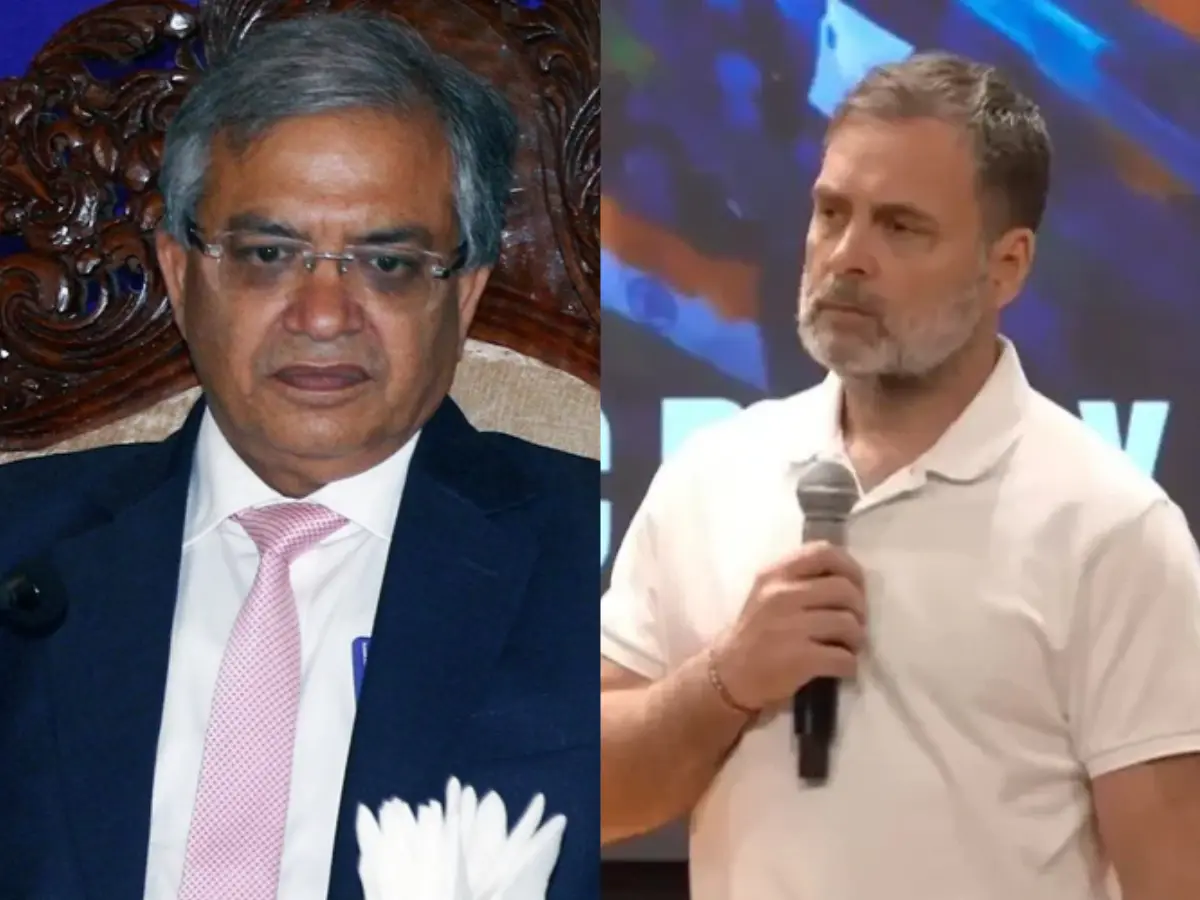
'Turn approver, resign, we'll forgive you': Rahul Gandhi claims receiving messages from CEC Gyanesh Kumar
&imwidth=180&imheight=135&format=webp&quality=medium)
'Ouch!!! That must hurt': Kangana Ranaut hails Kamal Haasan's sharp reply to Elon Musk over Starlink row
&imwidth=180&imheight=135&format=webp&quality=medium)
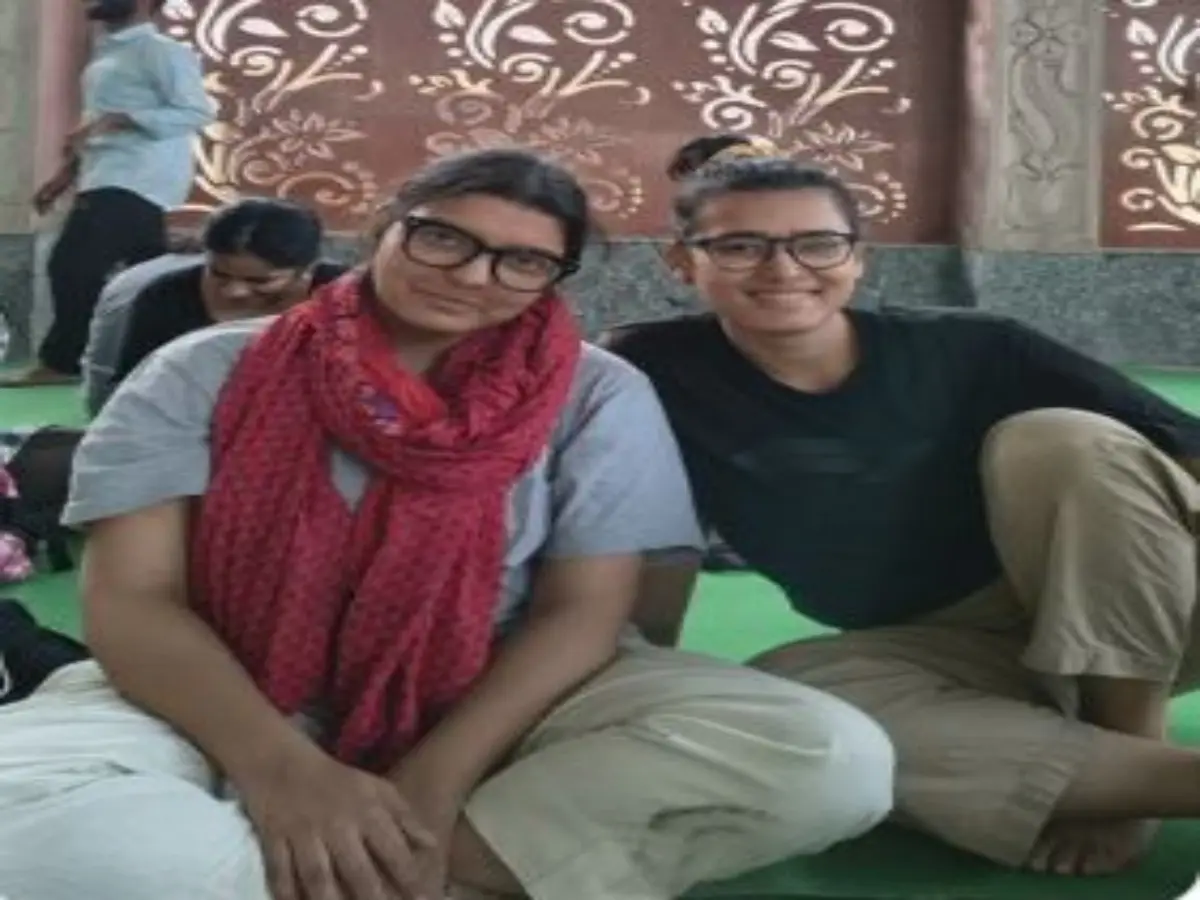
'Just coincidence': Police mistakes protester as AISA chief Neha Bora, arrests her from site
&imwidth=180&imheight=135&format=webp&quality=medium)
iPhone Duo price index: Tracking Apple’s latest pricing trends
&imwidth=180&imheight=135&format=webp&quality=medium)
Delhi protests: 'Court should not be dragged into political activity', says CJI Surya Kant
&imwidth=180&imheight=135&format=webp&quality=medium)
1,500 drones illuminate Mumbai sky as Cordelia Cruises unveils second ship, Cordelia Sky
&imwidth=180&imheight=135&format=webp&quality=medium)
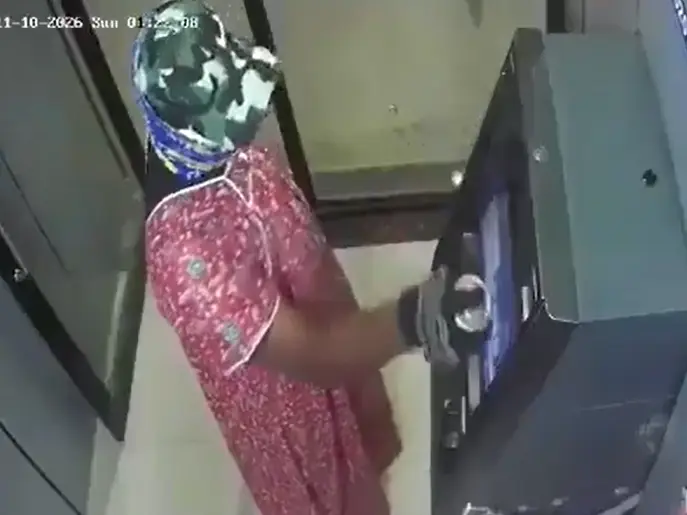
Telangana ATM heist: Thieves in nighties arrive in ambulance, break into SBI ATM in Kamareddy - VIDEO
&imwidth=180&imheight=135&format=webp&quality=medium)
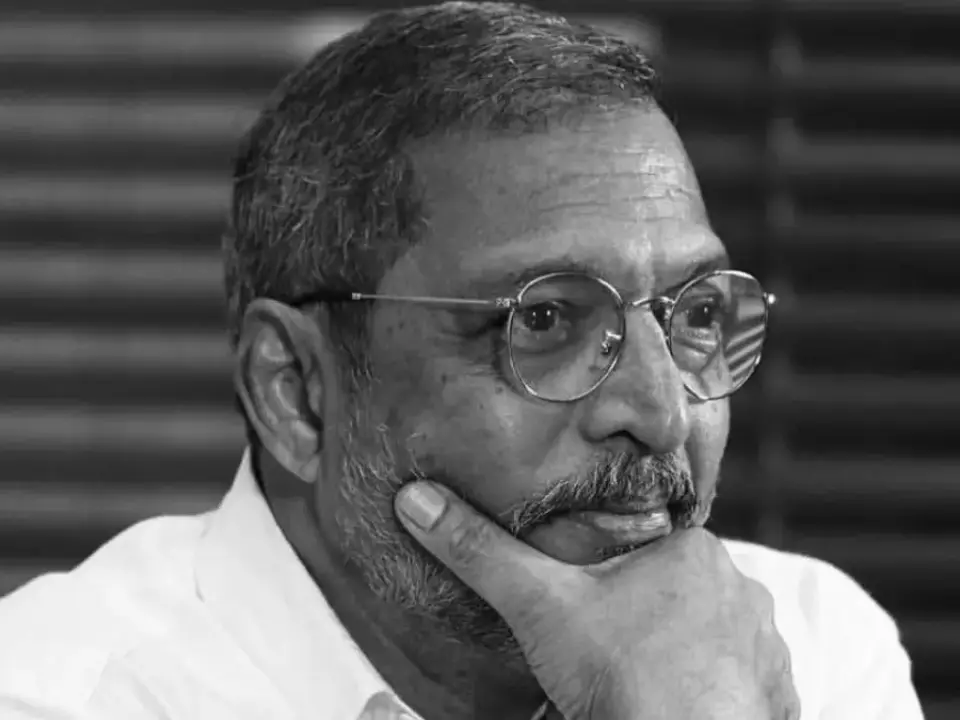
Nana Patekar's cause of death confirmed; here's what his postmortem report says
&imwidth=180&imheight=135&format=webp&quality=medium)
A watchdog rated 'ChatGPT for Teens' an unacceptable risk and says keep under-18s off it
&imwidth=180&imheight=135&format=webp&quality=medium)
Iran: US accepted some conditions, Clarity needed on others
&im=FitAndFill=(700,400)&imwidth=180&imheight=135&format=webp&quality=medium)
Is sending robots to Mars easier than sending humans?
&imwidth=180&imheight=135&format=webp&quality=medium)
One Indian killed in Riyadh airport attack; 11 others injured : MEA
&imwidth=180&imheight=135&format=webp&quality=medium)
'Say no to Muse': Meta has no control over its own moderation AI while it forces a security nightmare on everyone
&im=FitAndFill=(700,400)&imwidth=180&imheight=135&format=webp&quality=medium)
New OTT releases this week (October 12-18, 2026): Sacrifice, Koffee with Karan S9, Roadies Rebirth- 6 titles coming on Netflix, JioHotstar and more
&imwidth=180&imheight=135&format=webp&quality=medium)
CJI Surya Kant declines INDIA bloc leaders’ request for meeting ahead of march to SC, asks them to file petition
But these are not the only issues for American companies, and there is also strong pressure on European businesses. One report from the EU Chamber of Commerce in China showed that its members are reaching a "tipping point" on further investments in the country due to slim profit margins and bleak forecasts. The organization called on Beijing to act now if it wants more foreign investment.
This year's data shows that while a lot of positive policies have been introduced, they have not restored confidence yet among enterprises or consumers overall," said Allan Gabor, Chair of AmCham Shanghai. Yuan, Markets Leader at PwC China, added, "While facing increasingly bigger economic challenges and intense competition, it is crucial to foreign companies' global competitiveness to maintain business in China."
In the face of such difficulties, some 45 per cent of the AmCham respondents favored a tariff reduction on Chinese imports as one possible step for US government support. China's Ministry of Commerce said earlier that foreign direct investment had declined 29 per cent in the first seven months of this year from the same period last year.
Thus, with the acceleration of such trends, it will be a turn for American firms to operate in this more difficult environment, carrying immense economic and political challenges. The need for adaptation thus will be greater because firms are looking at their strategies and risks in view of changes in economic circumstances in China.
That fact underlined the importance of full understanding market dynamics and possible ways of engagement. While this is the view held by many experts, it calls for clearer risk management and government relations strategies that allow the sustenance of operations in the region.
