China's small towns experience renaissance as megacities lose lustre, says Bloomberg report

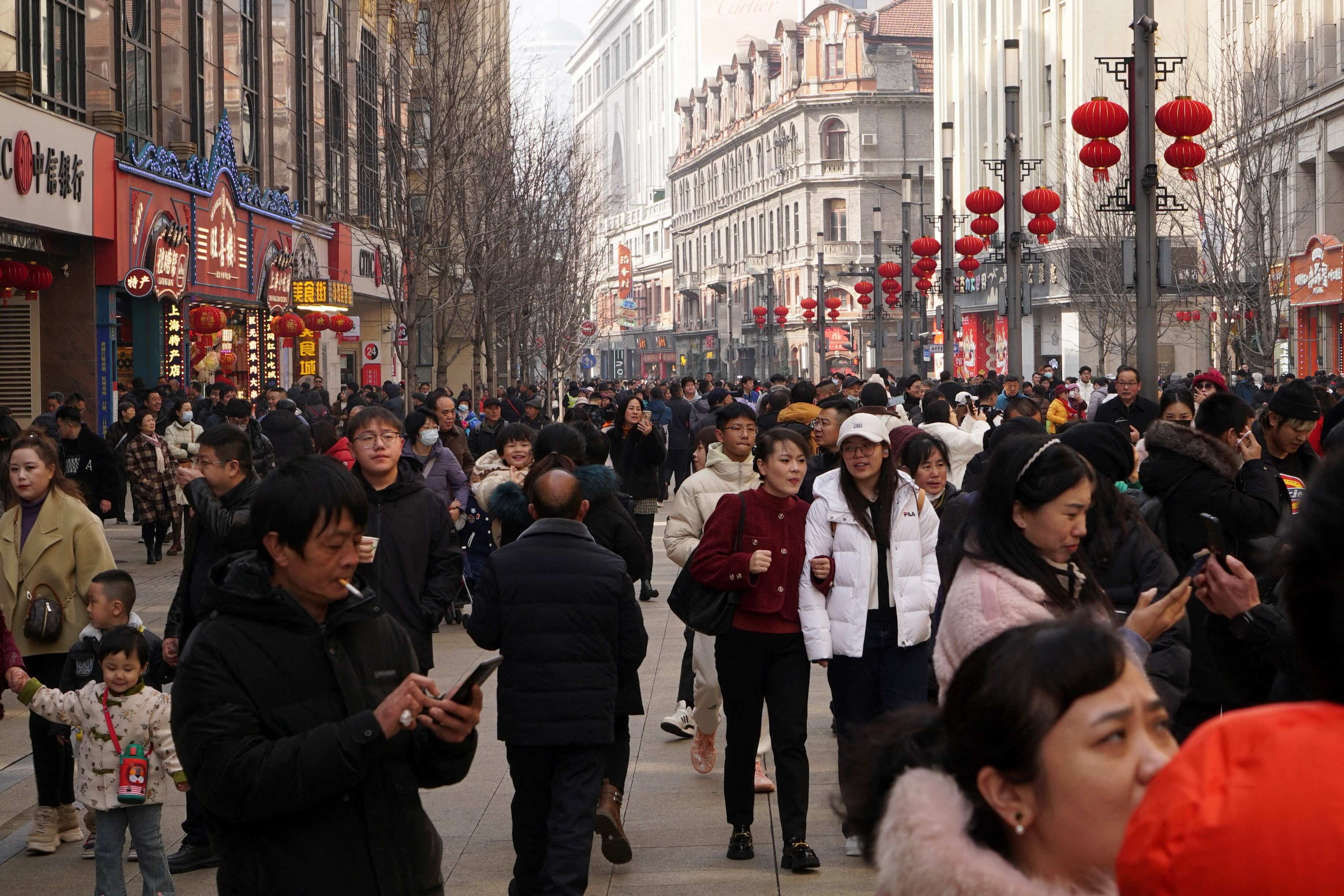
Visitors throng a pedestrian shopping street on the first day of the Lunar New Year of the Dragon, in Shanghai
A growing number of Chinese professionals are discarding the appeal of megacities for the promise of prosperity in their hometowns.
As reported by Bloomberg, driven by economic pressures and a desire for a better quality of life, individuals are trading bustling urban centres for the tranquillity of rural regions.
The report by Bloomberg cited, Zhao Xiaowei who made the decision to return to Dandong from Beijing. This is indicative of a trend reshaping China's demographic landscape, as young professionals seek refuge from the high costs and intense competition prevalent in major cities.
Data from Shanghai-based consultancy MetroDataTech indicates a net outflow of residents from China's financial hub Shanghai and tech powerhouse Shenzhen in 2023, signalling a shift in migration patterns.
As economic opportunities in megacities dwindle, smaller cities are experiencing a resurgence in economic activity, supported by increased consumer spending and entrepreneurial ventures.
Rising disposable incomes and lower living costs in smaller cities have created a conducive environment for business growth, attracting both local entrepreneurs and international brands seeking to capitalise on this emerging market.
With consumer spending accelerating in smaller cities, multinational corporations like Yum China Holdings Inc. and Domino's Pizza China operator DPC Dash Ltd. are expanding their presence beyond megacities.
Yum China plans to open more than 5,000 outlets by 2026, with a major proportion located in lower-tier cities.
Similarly, domestic fast-food chains like Fuzhou Tastien Catering Operation Co. and Mixue Bingcheng Co. are increasing their presence in tier 3 and lower cities to cater to the rising demand for western fast food and bubble tea.
The migration from megacities to smaller towns is driven not only by economic considerations but also by lifestyle preferences.
In smaller cities, residents enjoy a more relaxed pace of life, stable career prospects, and closer familial ties.
Bloomberg cited Guan Yinglu, whose decision to leave Shanghai for Luzhou characterise this sentiment, as she prioritises personal fulfilment and family life over the demands of big-city living.
Despite a decrease in earning power, individuals like Guan find solace in the sense of community and enriched life experiences offered by smaller towns.
While the shift towards smaller cities is reshaping China's economic landscape, challenges persist, particularly in less developed regions.
Ernan Cui, a consumer analyst at Gavekal Dragonomics, highlighted the uneven distribution of resources and economic opportunities, noting disparities between eastern and southern regions benefiting from urban-rural integration and other areas still grappling with economic stagnation.
Additionally, the allure of megacities remains strong for some.
Despite the complexities of urban migration dynamics, entrepreneurs like Ymir Li are optimistic about the potential of small towns.
Li's success in establishing a franchise of Heytea in a southwestern city underscores the entrepreneurial spirit thriving in smaller cities.
By leveraging returnees' diverse skill sets and experiences gained in megacities, Li has created employment opportunities and brought strength into the local economy.
(Inputs from Bloomberg)