California's budget tightrope: balancing cuts, taxes, and future stability amid economic shifts

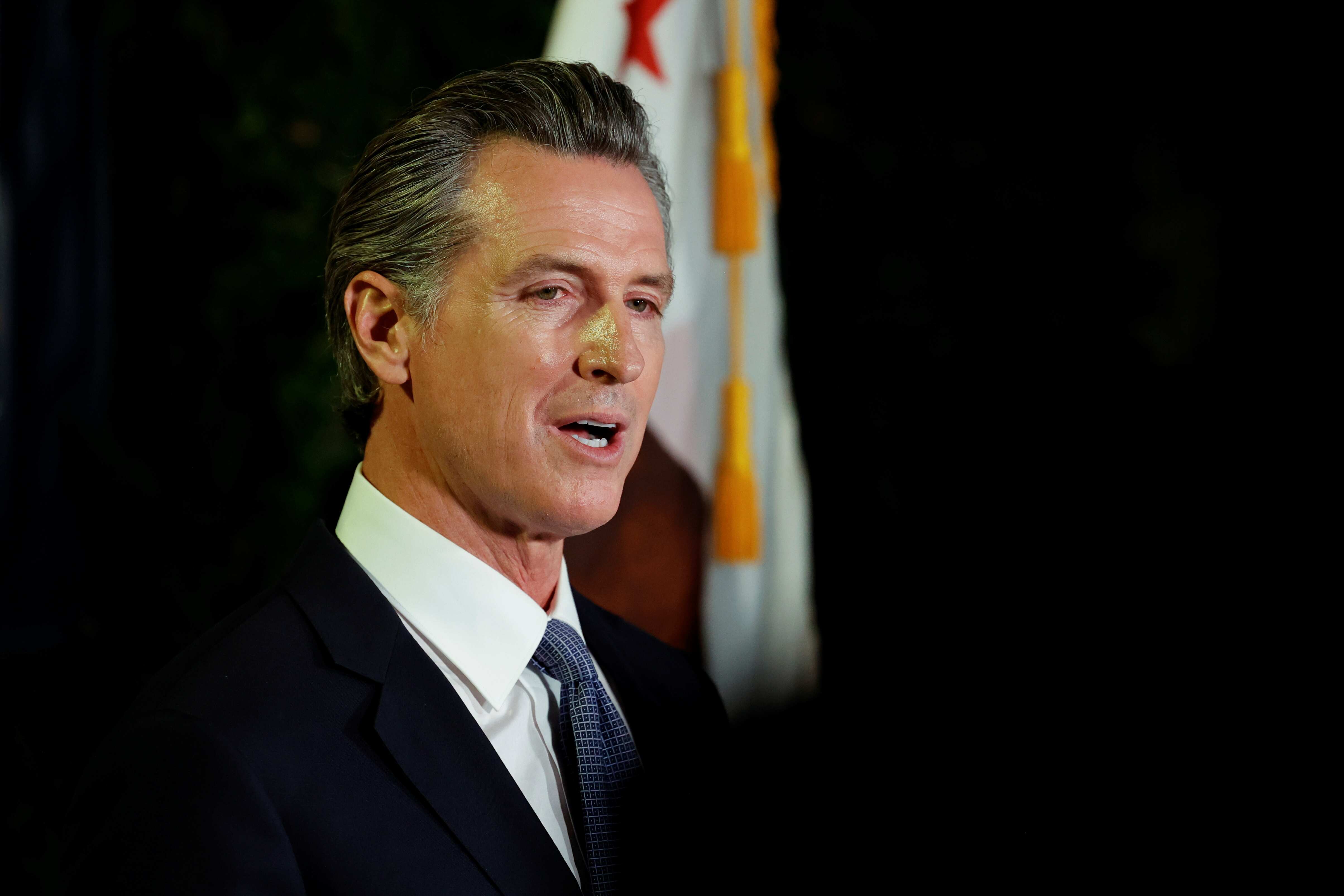
File photo of California Governor Gavin Newsom.
GovernorGavin Newsom signed California's budget on Saturday, which covers an estimated $46.8 billion deficit with a mix of $16 billion worth of spending cuts and temporary tax increases on some businesses. This comes just days after lawmakers approved the budget Wednesday after very intense negotiations between the state's governor and legislative leaders. The strain brought about requirements for concessions on both sides and shelved some progressive policies for a second year in a row.
“This is a responsible budget that prepares for the future while investing in foundational programs that benefit millions of Californians every day,” Newsom said in a statement. “Thanks to careful stewardship of the budget over the past few years, we’re able to meet this moment while protecting our progress on housing, homelessness, education, health care and other priorities that matter deeply to Californians.”
The deficit, projected to be roughly $32 billion in 2023, has ballooned this year, with expectations of continuing shortfalls in the future for the country's most populous state. This budget signing comes just two years after Newsom and Democratic lawmakers heralded record surpluses topping more than $100 billion. Those surpluses were supercharged off billions of dollars in federal COVID-19 aid and a progressive tax code that generated major revenue from the state's wealthiest residents.
The economic landscape has changed radically. Inflation has slowed the economy, increasing unemployment and bringing reversals to the technology sector, one of the major drivers of growth for California. In addition, the Newsom administration miscalculated the state's revenue following a seven-month delay in the tax filing deadline.
The budget of California has swung wildly over the years, given its reliance on its wealthiest taxpayers. This current deficit is an inopportune challenge for Newsom as he raises his national profile for a potential presidential run and seeks to be a chief surrogate for President Joe Biden's campaign.
The newly signed budget incorporates a provision in which it is agreed that Gov. Newsom and lawmakers will lobby to amend the state's constitution to reserve more money for savings to cushion future fiscal shortfalls. This call is, therefore, for a more stable financial base for the state moving into the future.
The Republicans have complained of being left out of the negotiations. They attacked a temporary increase in tax on businesses, affecting those with at least $1 million in revenue. That increase is scheduled to last three years and would produce more than an added $5 billion for the state next year. Republicans also criticised reductions in social safety net programs that they said would harm vulnerable populations.
The budget illustrates how tough it is going to be to strike a balance between addressing immediate financial problems and trying to cope with long-term fiscal health. As California navigates these economic uncertainties, the decisions made in this budget will have significant implications for the state's future.