Budget 2024 Preview: Nirmala Sitharaman set to unveil economic roadmap

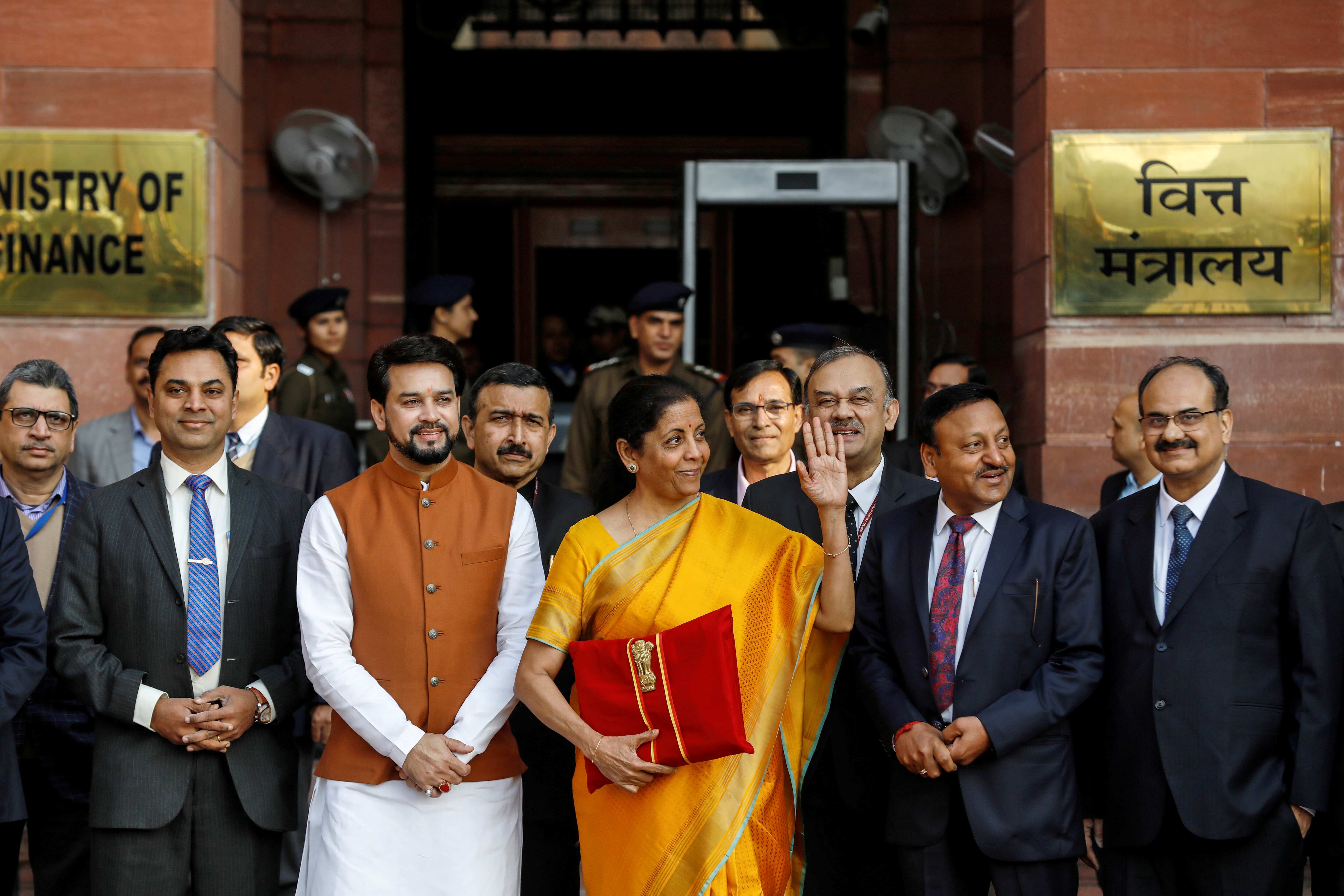
Finance Minister Nirmala Sitharaman holds budget papers
As India eagerly anticipates the Interim Budget for 2024-25, Finance Minister Nirmala Sitharaman is poised to present a preliminary view of the government's broad plan for the upcoming fiscal year. With a keen focus on fiscal prudence and a commitment to capital expenditure, the budget is expected to address key sectors, providing a glimpse into the nation's economic roadmap.
Expectations from India's Budget
The Interim Budget, required for the authorisation of expenditures until a new government is formed post-elections, is set to play a crucial role in outlining the trajectory of India's economic policies. The latest economic report pegs India's growth rate at an impressive 7 per cent, a figure that the Finance Minister is expected to highlight as a testament to the country's growth prospects.
The budget's central focus is anticipated to be on the government's fiscal roadmap. For the current fiscal year, the government is expected to assert that it is on track to achieve the deficit target of 5.9 per cent of GDP. This optimistic outlook is attributed to robust direct tax collections, better-than-expected non-tax revenues, and expenditure savings by some ministries. The target for the upcoming fiscal year is likely to be set lower at 5.4 per cent of GDP.
Fiscal prudence or popular schemes?
The fiscal deficit, the gap between government revenue and expenditure, will be a key metric attracting attention from both domestic and international businesses and investors. Promising aggressive fiscal consolidation, the government aims to cut its budget deficit to 4.5 per cent of GDP by 2025-2026, requiring a significant reduction of 1.4 percentage points over the next two years. However, the feasibility of such drastic fiscal consolidation remains uncertain, considering potential impacts on domestic consumption.
While the government may steer clear of drastic fiscal measures, the emphasis on capital expenditure is expected to persist. With capital spending projected to increase by 37 per cent for the current fiscal year, the budget for capital expenditures is likely to see a moderate expansion of 12-15 per cent for the next year. This strategic move aims to sustain economic growth and development.
Priority Sectors: Farmers, women, the poor, and young people
In line with the government's commitment to welfare, the budget is anticipated to allocate more funding to ongoing welfare programs. Programs like PM Kisan and MNREGA are expected to receive increased funding to bolster the rural and agricultural sectors, providing support to those in need.