Bleak consumer sentiment in the US meets 4th of July celebrations

United States consumer market
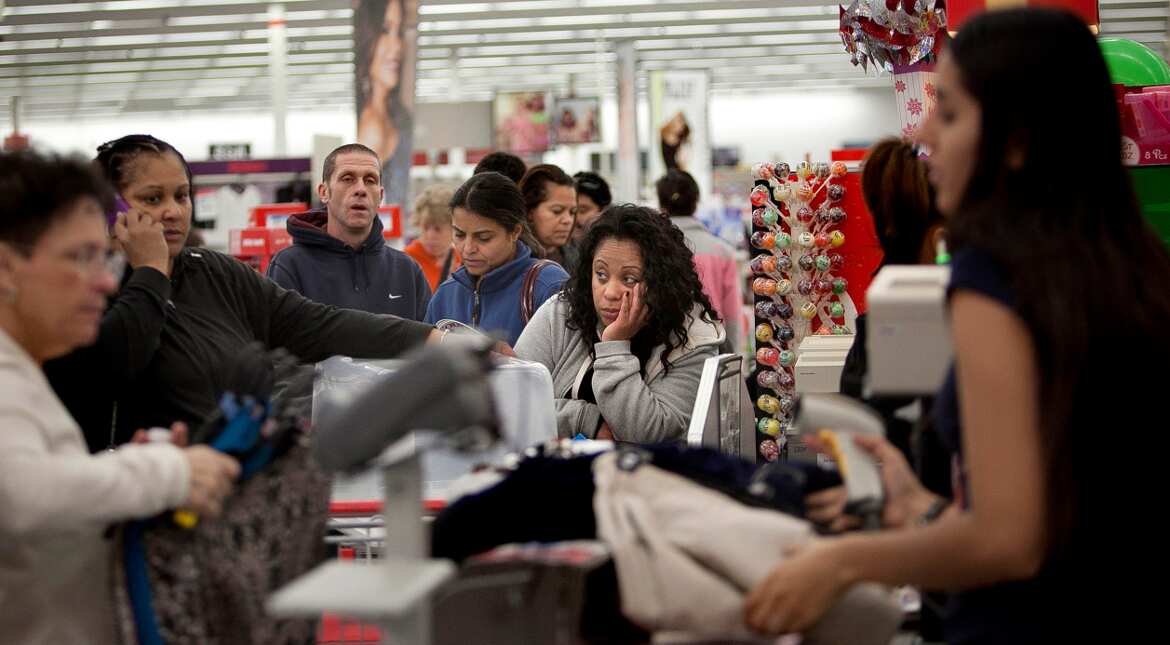
US consumers have largely been 'inactive' in the economy. While consumer spending has recently improved, the overall economy has been plagued by high prices and shifts in shopping preferences. A typical US consumer now ignores 'luxury' to shop for 'essentials'.
In this economic outlook, the celebrations of the 4th of July hold more significance than ever. Americans seem excited too, with analysts predicting existing consumer sentiments will not affect high food sales.
According to the National Retail Federation, Americans are expected to spend $9.4 billion on food sales alone. This is lower than the $9.5 billion spent in 2023 but better than the analyst predictions based on the economy. Spending suffered a slump in 2020 ($6.5 billion) but has revived since then each year.
Hosting a 10-person barbeque will cost almost $100, according to a barbeque index from Rabobank Group cited by Bloomberg. This will be a new record in terms of prices. July 4 is a popular day to celebrate at home, but for US consumers, it's also a way to save.
Recent months have seen the cost of dining ticking up by 4 per cent. Wells Fargo gave a comparison of hamburger prices; we can save $50 by avoiding dining out while hosting a party of 10. The average cost of a hamburger at home is $2.15 compared to $6.95 at a restaurant.
Barbeque cost in 2024
The prices have clearly shot up. Ground beef costs have surged 4.9 per cent over last year. Tomato and lettuce prices have also surged. The only 'smile' for Americans is the lower cheese cost, down 3.4 per cent from last year. However, there's nothing 'sweet' in the rise of ice cream, up 3.3 per cent. Cans to gulp those high prices have also surged, up over 5 per cent. As for alcohol, beer prices are up 1.2 per cent, while wine is up 3.4 per cent.
The need for value is at an all-time high for the average US consumer. That means more discounts and value-added deals for stores to lure back footfall. Fast-food and grocery chains are ramping up their deals to match consumer expectations. Popular chains like Walmart and Target are competing at low prices to attract consumers.