Trump proposes 200% tariff on vehicles imported from Mexico

Trump proposes 200% tariff on vehicles imported from Mexico
Republican presidential hopeful Donald Trump vowed on Sunday to slap 200 percent tariffs on vehicles shipped in from Mexico, ratcheting up his trade protectionist stance as the November 5 election looms. The announcement is a hardening of his previous promise to impose a 100 percent tariff on all imported cars and trucks in a bid to help strengthen the US auto industry.
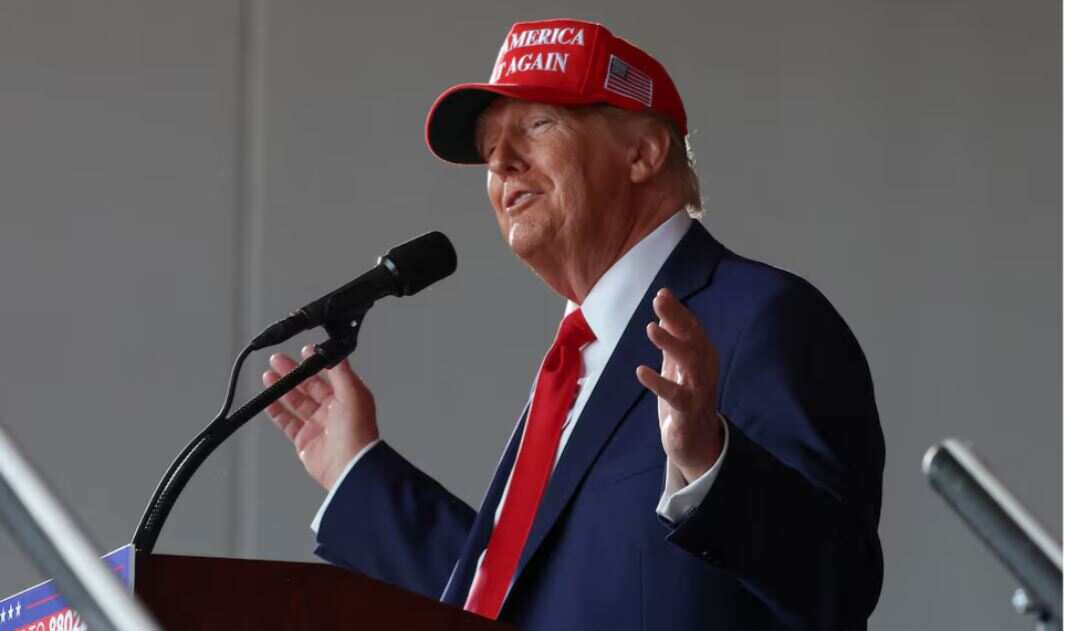
Speaking at a rally in Juneau, Wisconsin, earlier this month, Trump promised to impose tariffs of 200 percent on goods if necessary. It's not going to happen. "Those cars are not coming in the United States." His comments, meanwhile, come as he travels vigorously across battleground Wisconsin, where polls show him locked in a race with Democrat Kamala Harris.
The election has become a crucial battleground as both candidates spend heavily on the state. In recent weeks, current vice president Harris campaigned with former Republican Congresswoman Liz Cheney, in an attempt to woo voters to her side. Trump had won the state in 2016 against Hillary Clinton, but the state previously backed Biden over Trump in 2020.
Trump was in Juneau after a controversial rally there in May, one of several recent public appearances that have drawn controversy, including one in Butler, Pennsylvania in July where he narrowly avoided an assassination attempt. In his speech, he also repeated his plans to bolster U.S. auto industry while experts warn it could mean higher prices for consumers if the tariff is steep enough.
About half of the 3 million vehicles Mexico exported to the U.S. in 2023 were from major American automakers. 'Really, a new tariff could add massively to what consumers pay for a new car or used car' – a new tariff would cost significantly more than a used one, the Tax Policy Center has observed.
Additionally, Trump used the rally to criticize the Biden administration’s response to Hurricane Helene, which caused significant devastation and loss of life. He accused Harris of leaving people "stranded," without providing evidence for his claims. In contrast, Deanne Criswell, head of FEMA, defended the administration's actions, stating that resources were being effectively deployed to assist recovery efforts.
