Tesla’s range boost for Model Y RWD sparks debate among owners

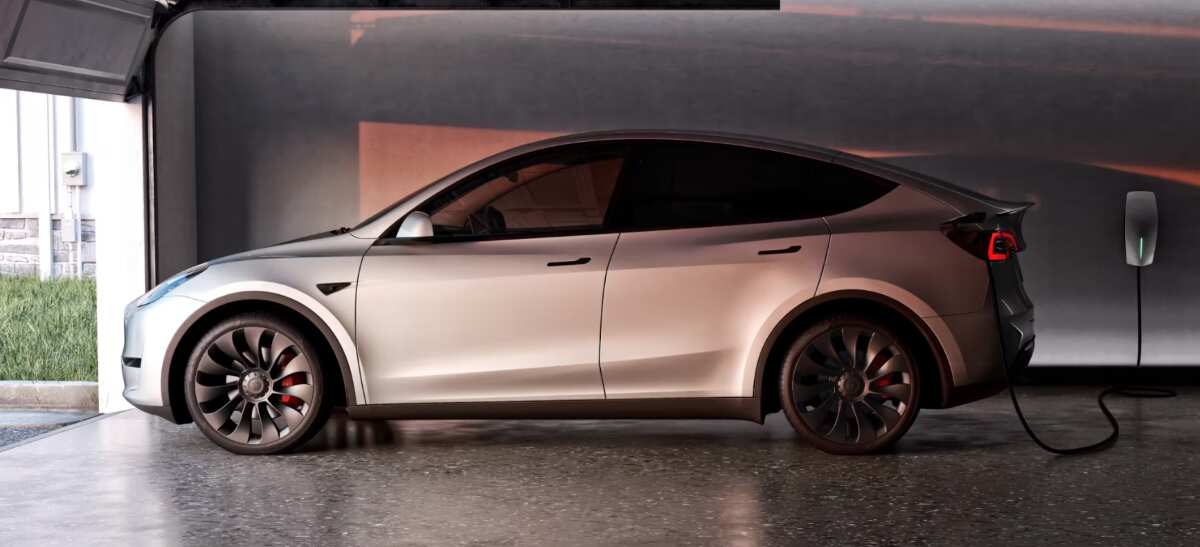
Tesla Model Y
Tesla has begun offering a range boost for the Model Y RWD, a move that has pleased some owners while irking others. The controversy stems from the company's decision to charge for the upgrade, despite earlier suspicions that the vehicle already had a software-locked Long Range battery.
For some time, it was believed that Tesla was producing the entry-level Model Y RWD with a software-locked Long Range battery to ensure all variants of the electric crossover qualified for the federal tax credit. This led many Model Y RWD owners to search for ways to unlock the full battery capacity. In May, Elon Musk addressed these suspicions, promising that Tesla was working through regulatory approvals for a range unlock. He indicated that the Model Y RWD, which originally offered a 260-mile (418-km) range, could gain an additional 40 to 60 miles (64 to 97 km), depending on the battery cells, with an estimated cost of $1,500 to $2,000.
Recent developments and pricing adjustments
In the past months, Tesla's actions confirmed the software-lock theory. The company discontinued the Model Y RWD trim and introduced a Long Range (LR) RWD variant with 320 miles of range, essentially the same vehicle with a 60-mile boost. Now, Tesla offers a similar range boost to Model Y RWD owners, albeit with some differences. The range boost now offers an additional 30 to 50 miles, and the price has been adjusted to $1,000-$1,600. The offer has started appearing in the Tesla app, but it was not what many expected. Owners cannot choose the boost level, as it depends on the battery configuration. Some were offered a $1,600 upgrade for "up to 50 miles," while others were asked to pay $1,000 for "up to 30 miles."
Mixed reactions from owners
The response from Tesla owners has been mixed. While some welcomed the additional range, even as a paid upgrade, others viewed it as a money grab. The sentiment echoes past controversies, such as BMW's decision to charge for hardware features already installed in vehicles, like seat heating. Critics argue that Tesla's move is a missed opportunity to wow owners with a free upgrade. They believe that Tesla should have offered the range boost for free, especially since the hardware was already present in the vehicle.
A different perspective on value
On the other hand, some argue that Tesla never promised more range, and owners received what they paid for. Offering the range boost for free could have upset Model Y LR AWD owners, who paid more for a vehicle that already included the extended range. It’s reasonable to expect that upgrading from a standard range to a Long Range model should not come at no cost.
A new perspective suggests that the software-capped battery offers significant headroom. This allows owners to regularly charge the battery to 100% without worrying about degradation. Regularly charging the 260-mile pack to 100% provides the same range as a Model Y LR RWD, essentially offering a free upgrade with the exception that the vehicle won't achieve 320 miles on a road trip.
Implications for software-defined vehicles
This debate highlights the ongoing division among consumers regarding software-defined vehicles. While software upgrades offer flexibility and potential cost savings, they also raise questions about value and fairness. Tesla's approach underscores the complexities of balancing innovation with customer expectations. As the automotive industry continues to evolve, finding the right balance will be crucial for maintaining consumer trust and satisfaction.
Tesla’s decision to offer a paid range boost for the Model Y RWD has sparked a lively debate among owners. While some appreciate the additional range, others feel it should have been a complimentary upgrade. This controversy underscores the challenges and opportunities associated with software-defined vehicles. As Tesla and other automakers continue to push the boundaries of automotive technology, they must navigate the delicate balance between innovation and customer satisfaction.