Tesla reinstates FSD transfers for another quarter

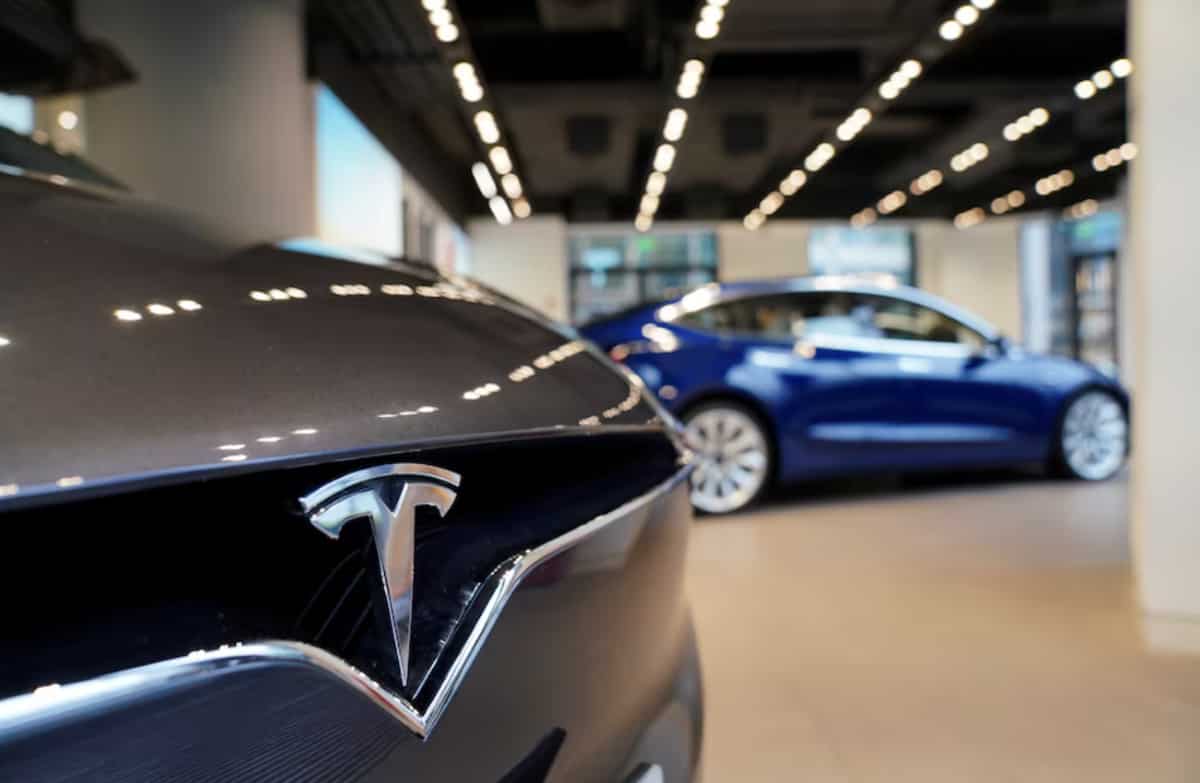
Tesla has been promoting its Full Self-Driving system for years
In a surprising move, Tesla CEO Elon Musk announced the extension of Full Self-Driving (FSD) transferability for one more quarter. This decision marks another chapter in Tesla's ongoing saga of fulfilling its FSD promises to its loyal customer base.
Tesla has been promoting its Full Self-Driving system for years, enticing customers with the prospect of autonomous driving. Despite the prolonged development and incremental releases, many early adopters have yet to experience a fully autonomous vehicle. While Tesla's FSD Beta, now termed FSD Supervised, provides some advanced driving features, it still requires human supervision. This gap between promise and delivery has frustrated many customers, particularly those who have upgraded their vehicles over the years without seeing the full benefits of their FSD purchase.
Customer frustration over FSD transfer policy
One major point of contention has been Tesla’s policy on FSD transfers. Customers who bought the FSD package found themselves having to repurchase it with each new vehicle, despite never having received the complete system initially promised. This issue was compounded by the rising cost of the FSD package over time, making it a significant financial burden for repeat customers.
Last year, in response to growing dissatisfaction, Tesla temporarily allowed FSD transfers for two months. This move was perceived as a tactic to boost demand rather than a genuine effort to address customer grievances. Following that period, the option was discontinued, much to the dismay of Tesla owners. However, earlier this year, Tesla reinstated the FSD transfer policy for a brief period until the end of Q1.
Musk’s decision to extend FSD transfers
During Tesla’s Q1 earnings call, the possibility of making FSD transfers permanent was brought up. Musk's response was a definitive "No," citing complexities in integrating such a policy within Tesla's sales framework. This left many owners feeling shortchanged, as they believed they deserved perpetual access to the software they had paid for, albeit never fully received.
The topic resurfaced at Tesla's recent shareholder meeting, where a shareholder asked Musk to consider extending the FSD transfer policy for "one more quarter." Initially hesitant, Musk highlighted the complexities involved in implementing the transfers. However, after some deliberation, he conceded, agreeing to allow FSD transfers for another quarter.
“We recognise the complexity in enabling these transfers within our current sales framework,” Musk stated. “However, in response to our loyal customer base, we will extend FSD transferability for one more quarter.”
The impact of Musk’s decision
Musk’s decision is seen as a temporary relief for Tesla customers who have invested heavily in the FSD system. It offers a brief window for those looking to upgrade their vehicles without incurring additional costs for a feature they have long awaited. However, the decision also underscores the ongoing challenges Tesla faces in delivering a fully autonomous driving experience.
Future of FSD
The future of Tesla's FSD remains uncertain. While the company continues to make strides in autonomous driving technology, the goal of achieving a fully self-driving car without human intervention is still on the horizon. Musk’s announcement is a testament to the complex interplay between technological advancement, customer satisfaction, and business strategy.
Tesla’s approach to handling customer concerns about FSD transferability will likely influence its relationship with its customer base. Whether this temporary extension leads to a permanent solution remains to be seen, but for now, Tesla owners have another quarter to benefit from the FSD transfer policy.
Musk’s decision to allow FSD transfers for another quarter is a significant but temporary victory for Tesla customers. It highlights the company’s recognition of customer loyalty and the need to balance it with business operations. As Tesla continues its journey towards full autonomy, the handling of such issues will play a crucial role in maintaining customer trust and satisfaction.