Tesla Model S Plaid shatters quarter-mile record with 8.56-second run

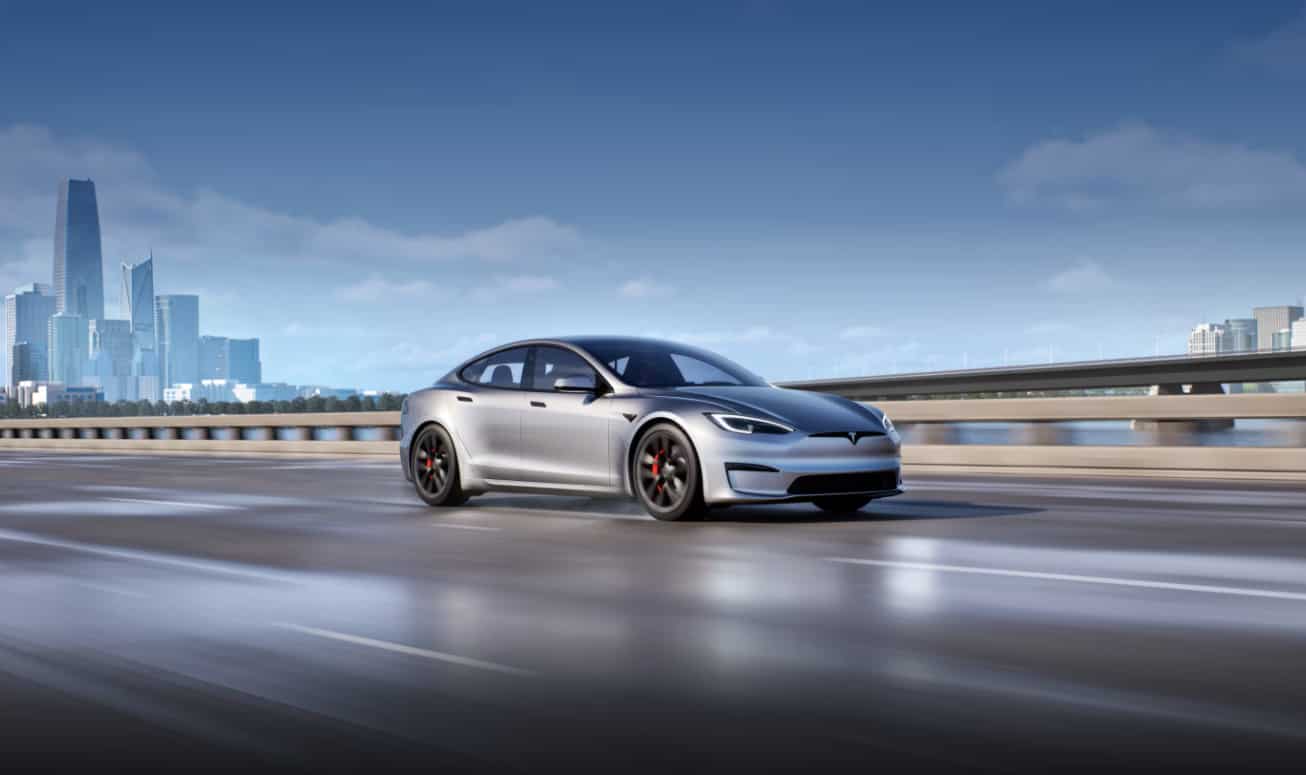
Tesla Model S Plaid shatters quarter-mile record with 8.56-second run
A Tesla Model S Plaid has set a new quarter-mile record, completing the run in a mere 8.56 seconds. This achievement, while impressive, comes with caveats that spark debate about the definition of a production car in competitive contexts.
The Tesla Model S Plaid, priced at approximately USD 90,000, has long been recognized as one of the fastest-accelerating production vehicles available to consumers. Its latest feat pushes the boundaries of what's possible for a vehicle in its price range and production volume.
However, it's crucial to note that this record-setting Model S Plaid underwent significant modifications, primarily in the form of weight reduction. Images of the vehicle reveal a stripped-down interior, suggesting that non-essential components were removed to enhance performance. This modification strategy is not uncommon in the pursuit of speed records but does raise questions about how to classify such achievements.
The electric vehicle landscape has seen fierce competition in recent years, with contenders like the Rimac Nevera and Lucid Air Sapphire also vying for the title of fastest production car. The Rimac Nevera, while capable of extraordinary performance, comes with a price tag of approximately USD 2 million and is produced in very limited numbers. The Lucid Air Sapphire has previously bested the Model S Plaid in drag races, achieving impressive 9-second quarter-mile times.
What sets the Model S Plaid apart in this context is its relative affordability and higher production volume compared to its ultra-expensive, limited-production rivals. This latest record run demonstrates that with some modifications, a vehicle costing less than USD 100,000 can achieve performance metrics previously reserved for multi-million dollar hypercars.
Experts in the automotive industry point out that quarter-mile records often involve specific optimizations beyond weight reduction, including tire preparation and track conditions. These factors play crucial roles in achieving such remarkable times.
Perhaps most noteworthy is that this record-setting Model S Plaid reportedly maintained its stock powertrain. This suggests that the vehicle's electric motors and battery system were capable of this performance without additional modifications, highlighting the potential of Tesla's electric propulsion technology.
As electric vehicles continue to evolve and push performance boundaries, the debate over what constitutes a "production car" in competitive scenarios is likely to intensify. The line between stock vehicles and those with aftermarket modifications becomes increasingly blurred, especially when the core powertrain remains untouched.

