Rolex-Formula 1 partnership reportedly ending

Rolex-Formula 1 partnership reportedly ending
The world of motorsport and luxury watchmaking is abuzz with reports of a significant shift in Formula 1's timekeeping partnership. According to sources cited by Sports Illustrated, the longstanding collaboration between Swiss watchmaker Rolex and Formula 1 is set to conclude at the end of 2024, marking the end of an era that began in 2011.
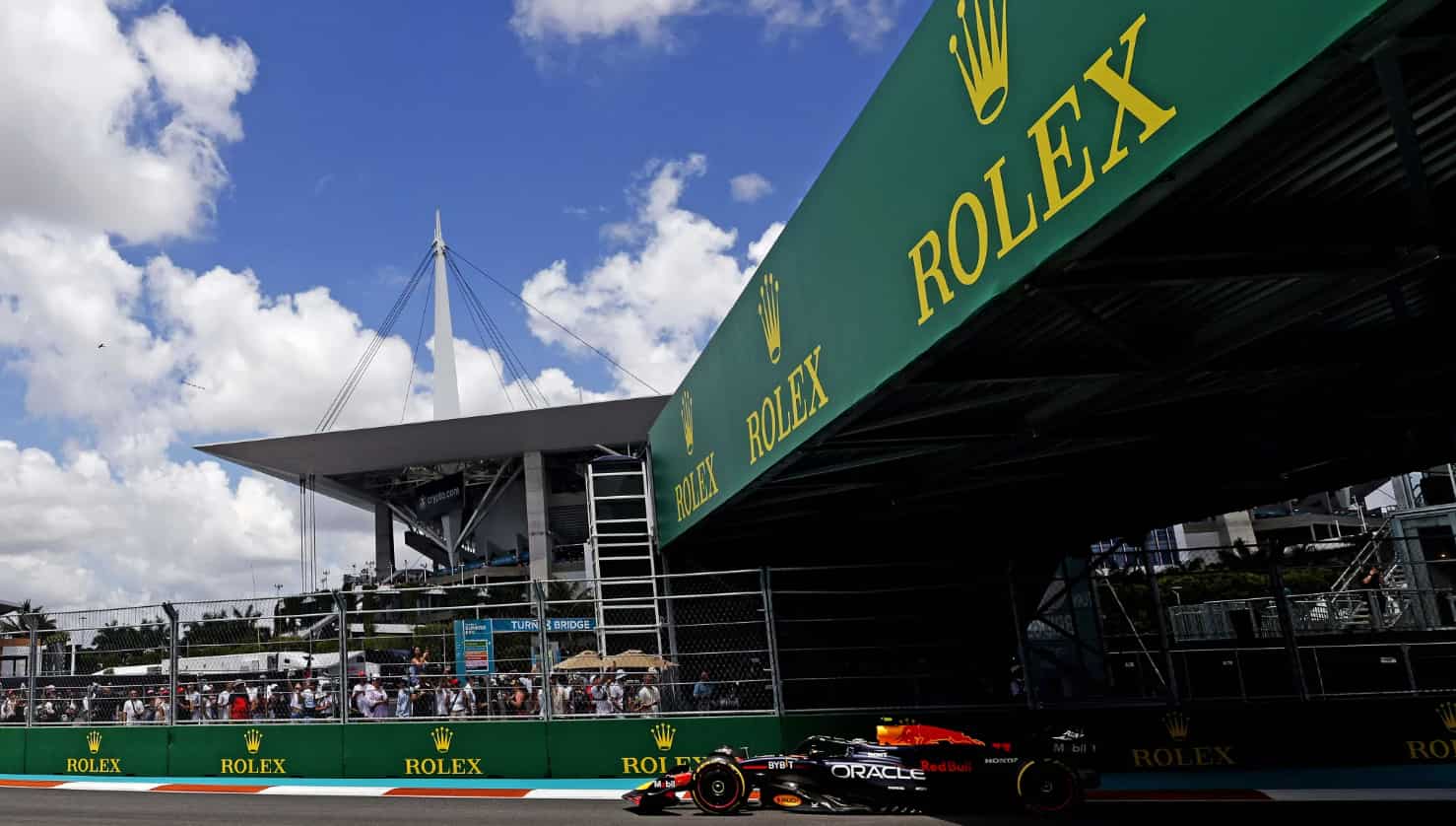
The prestigious partnership, which has been a fixture in the Formula 1 paddock for over a decade, initially started with an annual commitment of USD 10 million from Rolex. Over the years, this figure has reportedly grown to USD 50 million, reflecting the increasing value and global reach of the sport. Rolex's involvement has been highly visible, featuring prominent trackside branding and title sponsorship at select Grand Prix events.
As Rolex potentially steps away from Formula 1, luxury conglomerate LVMH is reportedly preparing to step in. TAG Heuer, one of LVMH's renowned watch brands, is rumoured to be taking the pole position as Formula 1's new official timekeeper starting in 2025. This information comes from Decalspotters, a reliable source in the motorsport community, who shared the news on social media platform X (formerly Twitter).
The proposed deal between LVMH and Formula 1 is reportedly valued at an impressive USD 150 million annually, signifying a substantial increase in investment compared to the current arrangement with Rolex. This figure underscores the growing commercial appeal of Formula 1 and the willingness of luxury brands to align themselves with the sport's global audience.
TAG Heuer is no stranger to the world of Formula 1. The brand has a rich history in motorsport, including a current partnership with Red Bull Racing and a long-standing association with the Monaco Grand Prix. Interestingly, TAG Heuer's contract with Red Bull Racing is set to expire at the end of 2024, coinciding perfectly with the rumoured start of the new Formula 1 partnership.
This potential change raises questions about LVMH's future strategy in Formula 1. It remains to be seen whether the luxury group will maintain its relationship with Red Bull Racing or opt to focus entirely on a comprehensive Formula 1 sponsorship. The substantial investment suggests that LVMH may be looking to maximize its presence across the entire sport rather than aligning with a single team.
For Rolex, the reported departure from Formula 1 comes at a time when the brand continues to maintain significant sponsorships in other sports, notably its longstanding partnership with the Wimbledon tennis tournament. This move may indicate a shift in Rolex's marketing strategy or a reallocation of resources to other high-profile events.
As the Formula 1 community awaits official confirmation of these changes, the potential transition from Rolex to TAG Heuer as the sport's official timekeeper marks a significant moment in the intersection of luxury brands and motorsport. The reported USD 150 million annual commitment from LVMH not only highlights the enduring appeal of Formula 1 as a global marketing platform but also sets the stage for a new chapter in the sport's commercial partnerships.

