Polestar pivots leadership amid EV industry headwinds

Polestar pivots leadership amid EV industry headwinds
Swedish electric vehicle (EV) manufacturer Polestar announced on Wednesday a major change in its top leadership. The company revealed that Thomas Ingenlath, who has served as CEO since 2017, will be replaced by Michael Lohscheller, a seasoned automotive executive with extensive experience in both traditional and electric vehicle sectors. This transition, set to take effect on October 1, comes at a critical juncture for Polestar as it navigates through turbulent times in the highly competitive EV market.
Lohscheller brings a wealth of experience to his new role, having previously held the position of CEO at Opel, a subsidiary of Stellantis. His resume also boasts leadership roles at two prominent electric vehicle startups: he served as the chief executive of Vietnamese EV maker VinFast and, more recently, at the electric truck manufacturer Nikola. This diverse background in both established automotive brands and emerging EV companies positions Lohscheller as a strategic choice to guide Polestar through its current challenges.
The leadership change at Polestar is occurring against a backdrop of significant hurdles facing the EV industry as a whole. The year 2024 has proven particularly challenging for electric vehicle manufacturers, with a noticeable slowdown in demand and intensifying price pressures. These market conditions have been exacerbated by aggressive pricing strategies employed by industry leader Tesla, which ignited a price war in the previous year, compelling competitors to reassess their pricing models and profit margins.
This executive reshuffle is not an isolated incident but part of a broader trend of changes within Polestar's upper echelons. It marks a continued distancing from Volvo Cars, one of Polestar's co-founders and major financial backers, alongside Chinese automotive giant Geely. The separation became more pronounced earlier this year when Volvo reduced its stake in the company. Ingenlath, the outgoing CEO, had strong ties to Volvo, having previously held the position of senior vice-president of design at the Swedish automaker before taking the helm at Polestar.
The reorganisation extends beyond the CEO position. In June, Polestar elected a new chairperson, replacing Hakan Samuelsson, who had a decade-long tenure as Volvo's CEO. Furthermore, the company recently appointed a new head of design, moving away from executives with Volvo backgrounds.
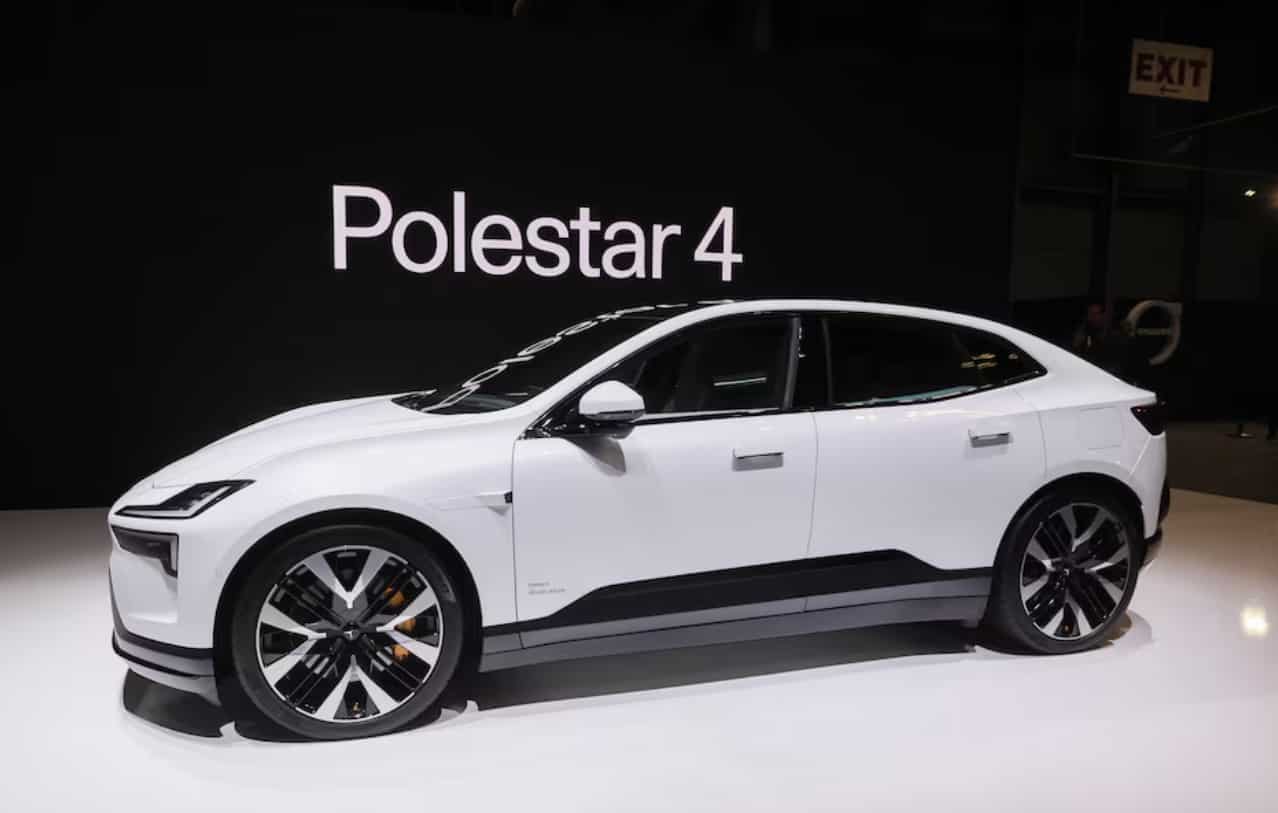
Polestar's product strategy also reflects this shift away from its Volvo roots. While its Polestar 2 and 3 models are manufactured in Volvo Cars factories, the newer Polestar 4 is produced in a Geely-operated facility and does not utilise Volvo's vehicle platform.
Adding to the company's challenges are the geopolitical and economic factors affecting its global operations. Punitive import tariffs imposed by the European Union, United States, and Canada on China-made EVs have put additional pressure on Polestar's cost structure. The company is now working to reduce its reliance on Chinese production facilities, a move that requires significant strategic planning and resource allocation.
Polestar has also faced operational challenges, including delays in the rollout of its newest models. Moreover, the company has encountered difficulties with financial reporting, as accounting misstatements have led to significant delays in submitting its financial reports, potentially affecting investor confidence.

