Ola Electric puts electric car project on hold

Ola Electric puts electric car project on hold
Ola Electric, the SoftBank-backed Indian electric vehicle manufacturer, has decided to suspend its ambitious electric car project, according to two sources with direct knowledge of the decision. This move comes as the company prepares for its initial public offering (IPO) scheduled for August, where it aims to raise approximately USD 660 million.
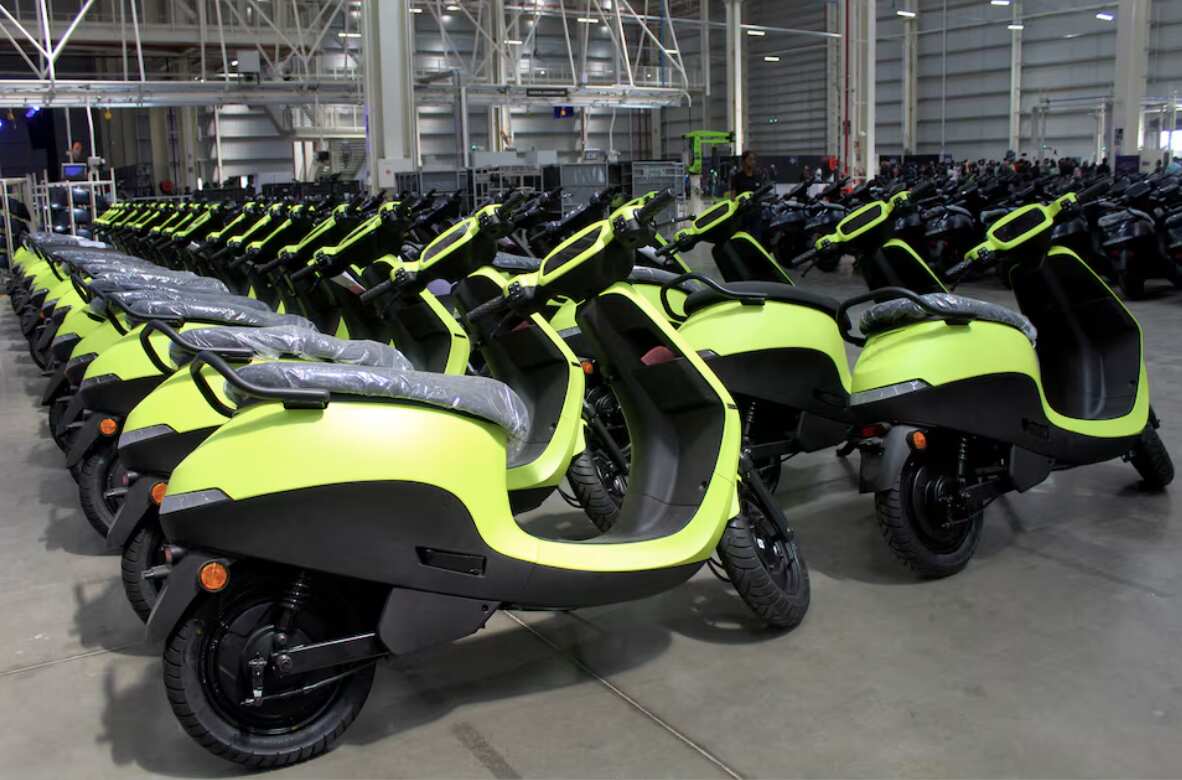
The decision marks a significant shift from the vision outlined by Ola's founder, Bhavish Aggarwal, who had previously announced plans to launch an electric sports car with an all-glass roof by 2024. Aggarwal had reiterated these plans as recently as September 2023 in an interview with Forbes. However, the company has now chosen to redirect its focus towards the burgeoning two-wheeler market, including e-scooters and bikes.
One of the sources explained the rationale behind this decision, stating, "The focus is all on the two-wheeler market, including bikes, and mass electrification is still some time away - you need to have (charging) infrastructure." This shift in strategy highlights the challenges faced by electric vehicle manufacturers in India, particularly the lack of widespread charging infrastructure necessary for the adoption of electric cars.
The suspension of Ola's electric car plans, which could have positioned the company as a competitor to established players like Tata Motors in the nascent yet rapidly growing electric car segment, underscores the complexities of the Indian automotive market. While e-scooters have gained significant popularity in recent years, with infrastructure developing rapidly to support them, the transition to electric cars has been slower.
Recent sales figures illustrate this disparity: approximately 483,000 e-scooters were sold in India by June of this year, compared to only about 45,000 electric cars during the same period. This stark contrast in adoption rates has likely influenced Ola's decision to prioritise its e-scooter business.
According to one of the sources, Ola's car project has been postponed for at least two years as the company concentrates on two-wheeler sales and battery production. This strategic realignment comes at a crucial time for Ola Electric, as it prepares for one of India's biggest IPOs this year.
Despite being loss-making, Ola has managed to capture a 46% market share in the e-scooter segment within just three years of its founding. This achievement is particularly noteworthy given that the company had to revise its sales goals last year following a reduction in industry incentives by Prime Minister Narendra Modi's government.
The company's existing infrastructure includes an e-scooter factory in Tamil Nadu. In 2022, Aggarwal had announced plans to build a new plant within the same campus, with a capacity to manufacture 1 million electric cars annually. These cars were intended to break away from the trend of small or mid-sized vehicles common in India.
Sources reveal that Ola had invested significantly in the car project, deploying external consultants and hiring over 100 employees. With the project's suspension, approximately 30% of this team has reportedly left the company, while others have been reassigned to new roles or projects.
The company had also made initial progress in car development, engaging in preliminary talks with auto component suppliers and even building a prototype at its studio in the United Kingdom. This prototype was reportedly designed along the lines of a BMW luxury sedan.

