Nationwide strikes erupt in Germany amid economic concerns

Nationwide strikes erupt in Germany amid economic concerns
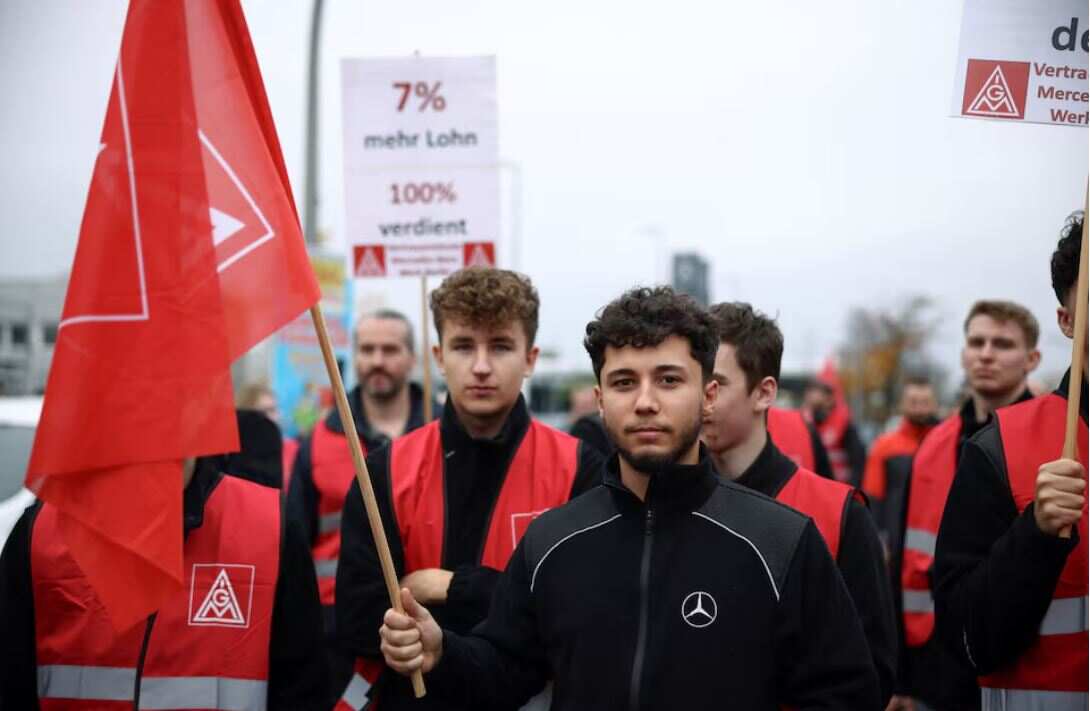
Thousands of workers across Germany have gone on nationwide strikes calling for higher wages as questions loom about the industrial future of the country. Major companies like Porsche, BMW and Mercedes have been hit by the strikes, which are mainly amongst unionised employees in the electrical engineering and metal industries.
That's just one example of alarming reports coming from Volkswagen, which may unveil plans to close three domestic plants for the first time in the 87-year history of the carmaker. The automotive giant is also looking at mass layoffs and could also seek a 10 per cent wage cut for their remaining employees. This isn't exactly a happy combination of events: the EU's largest economy is becoming an increasingly bad place to do business, adding to pressure on Chancellor Olaf Scholz's ruling coalition as it faces growing criticism from voters heading into next year's federal elections.
To deal with the escalating crisis, Scholz summoned together with business leaders, such as Volkswagen CEO Oliver Blume, to begin brainstorming how to bolster Germany's underlying industrial sector. In Berlin, held over three hours, Germany's finance chiefs held a meeting to discuss policies which could boost growth, help keep industrial jobs, and keep the country at the centre of global industrial production. The start of a wider initiative to deal with the issues lies with follow-up discussions planned for November 15, says government spokesperson Steffen Hebestreit.

But, many obstacles remain. A survey last week by the German Chamber of Commerce and Industry (DIHK) warns that Germany could once again enter a year of economic contraction in 2024 and there is no sign of recovery. DIHK Managing Director Martin Wansleben warned of a 'stubborn structural crisis' that is endangering Germany's economic stability and its role in Europe.
But a report from the VDA auto industry association outlines how Germany's auto sector could lose up to 186,000 jobs by 2035 with at least a quarter already gone. The VDA's findings suggest that rising electricity costs, higher taxes, and increasing bureaucratic hurdles are contributing to a decline in Germany's international competitiveness, raising alarms about the country's economic viability in a rapidly changing global landscape.
