GM surpasses Q2 expectations

GM surpasses Q2 expectations
General Motors (GM) has reported stronger-than-expected second-quarter results and raised its annual profit forecast for the second time this year, demonstrating resilience in the face of a challenging transition to electric vehicles (EVs). The Detroit-based automaker's performance, driven by robust pricing and demand for traditional gas-powered trucks, highlights the complex landscape of the automotive industry's electrification efforts.
GM reported adjusted earnings per share of USD 3.06, surpassing Wall Street's average estimate of USD 2.75, according to LSEG data. The company's revenue for the quarter reached USD 48 billion, exceeding analysts' consensus of USD 45.5 billion. This strong performance led GM to increase its adjusted pre-tax profit projection for the year to a range of USD 13 billion to USD 15 billion, up from the previous forecast of USD 12.5 billion to USD 14.5 billion.
The company's shares responded positively to the news, rising more than 4% in premarket trading. GM's stock has outperformed both its rivals and the S&P 500 in 2024, with a 38% increase year-to-date, compared to Ford Motor's 18% gain and Stellantis's 11% loss.
Despite the overall positive results, GM faces challenges in its transition to EVs. The company has walked back several of its EV targets over the past year, including declining to reiterate its goal of achieving 1 million units of EV production capacity in North America by the end of 2025. GM also recently lowered its projected EV output for the year, now forecasting the higher end of its 2024 production to be 250,000 units, down from a prior estimate of 300,000 units.
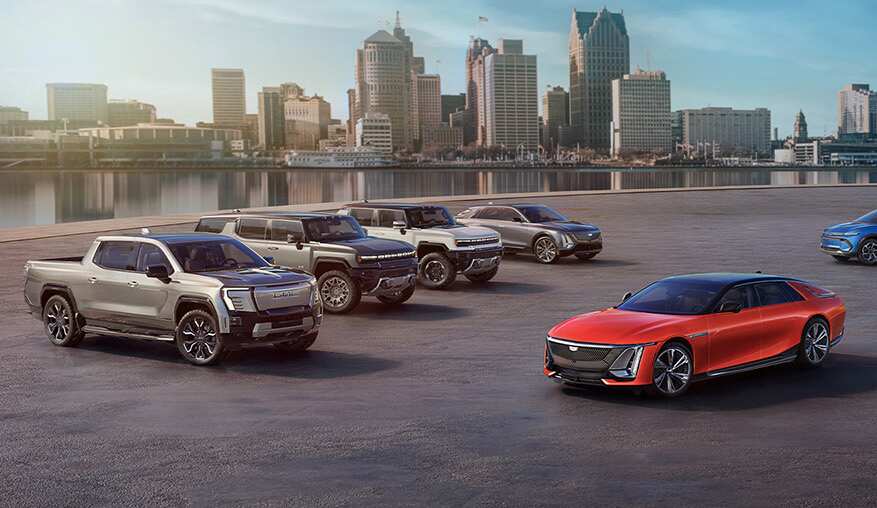
However, GM executives remain optimistic about the company's EV future. CFO Paul Jacobson stated, "We're encouraged by the early results we're seeing in EVs now that we can build at scale." The company is scaling up production of the Chevrolet Equinox EV and plans to launch several new battery-powered models in the coming months.
In a significant strategic shift, GM announced that its Cruise self-driving unit will refocus its development efforts on a next-generation Chevrolet Bolt rather than the planned futuristic Origin vehicle, which would not have included a steering wheel or other human controls. This decision reflects the ongoing challenges in the autonomous vehicle sector and regulatory uncertainties.
The company's performance in China remains a concern, with GM recording a USD 104-million loss in the region for the quarter. Jacobson acknowledged the need for further action, stating, "It's clear that the steps that we have taken, while significant, have not been enough." The company plans to work with its joint-venture partner in China to restructure its business.
GM's ability to leverage its traditional gas-powered vehicles to fuel profits during the EV transition has been crucial to its success. However, the company is not abandoning its electrification plans. GM recently received a USD 500 million award from the Biden administration to support the conversion of a Michigan gas-engine vehicle-assembly plant to EV production.
The upcoming U.S. presidential election in November could significantly impact GM's EV strategy, as former President Donald Trump has criticised the current administration's approach to EVs, which includes substantial government subsidies.
As the automotive industry continues to navigate the complex transition to electric and autonomous vehicles, GM's latest results demonstrate the importance of maintaining a balanced portfolio. The company's ability to generate strong profits from its traditional vehicle lineup while investing in future technologies will be crucial in the coming years.
With increasing investor scrutiny on various aspects of its business, including its operations in China and EV transition plans, GM's leadership faces the challenge of balancing short-term profitability with long-term strategic goals. As the industry evolves, GM's adaptability and strategic decision-making will be key factors in maintaining its competitive position in the global automotive market.

