Germany set to oppose EU tariffs on Chinese EV

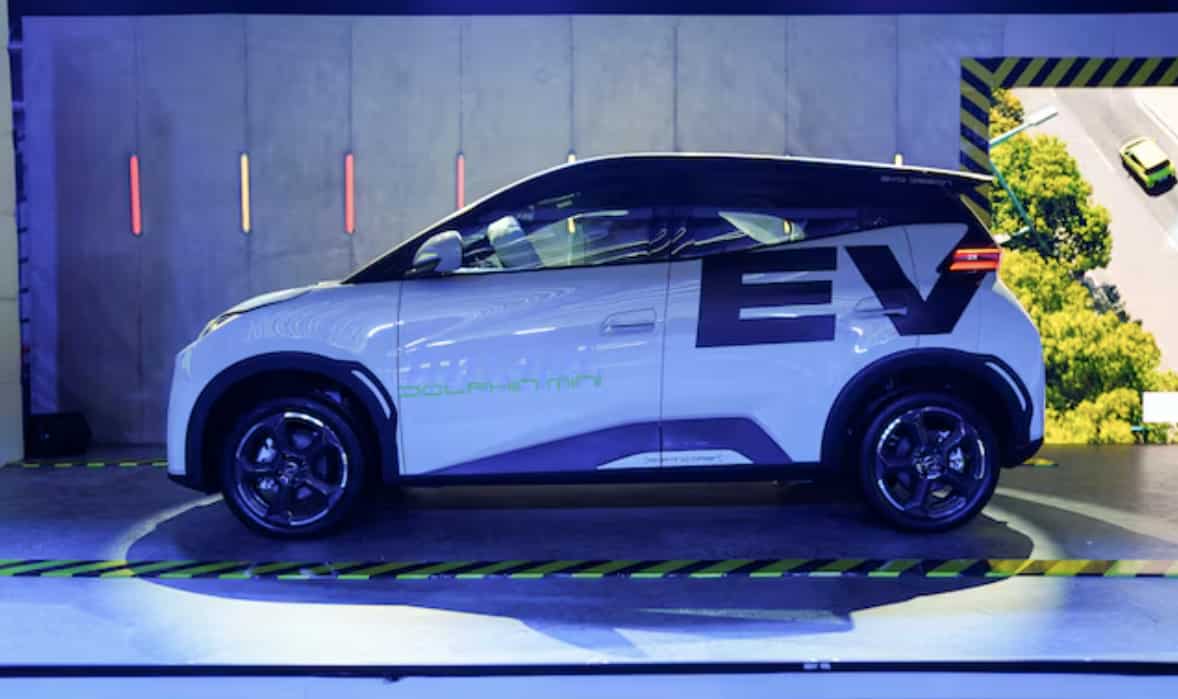
Chinese EV
Germany is poised to vote against the European Union's proposed tariffs on Chinese electric vehicles (EVs) in a crucial vote scheduled for Friday, according to sources familiar with the matter. This decision marks a shift from Germany's previous abstention in a non-binding vote held in July, highlighting the growing influence of industry pressure on national policy.
The move comes amid intense lobbying from German automotive industry stakeholders, who have reportedly urged Chancellor Olaf Scholz to oppose the measure. This stance reflects the delicate balance Germany must strike between protecting its domestic industry and maintaining crucial trade relationships, particularly with China, which remains the nation's second most important trading partner.
The European Commission's proposal faces a high procedural hurdle for rejection, requiring a qualified majority of 15 EU members representing 65% of the EU population to vote against it. Despite Germany's opposition, reports indicate that key member states including France, Greece, Italy, and Poland are expected to support the tariffs, potentially ensuring their implementation.
The proposed tariffs represent one of the EU's most significant trade measures in recent years. The European Commission argues that these duties are necessary to counter what it perceives as unfair advantages enjoyed by Chinese manufacturers, including access to cheap loans, land, raw materials, and various subsidies. Commission officials emphasise that the goal is to establish a level playing field rather than to exclude Chinese car manufacturers from the European market, contrasting their approach with the United States' more restrictive planned 100% tariff on Chinese vehicles.
German automakers, who derived a third of their sales from the Chinese market last year, have expressed strong opposition to the tariffs. Their concerns centre around potential retaliatory measures from China and the risk of escalating into a broader trade conflict. This perspective gained additional weight on Thursday when IG Metall, Germany's influential labour union, along with employee representatives from major German car manufacturers, issued a joint statement opposing the tariffs.
"We say unequivocally: tariffs are the wrong approach because they will not improve the competitiveness of the European automotive industry," the joint statement declared, emphasising the industry's unified stance against the measure.
The German government's official position remains unconfirmed, with a government spokesperson declining to comment on the matter. However, the anticipated negative vote reflects the significant influence of the automotive sector on German economic policy and the country's careful navigation of its trade relationships.
This development occurs against the backdrop of growing global competition in the electric vehicle market, where Chinese manufacturers have made significant inroads with competitively priced offerings. The EU's proposed tariffs represent an attempt to address concerns about market distortion while balancing the interests of various stakeholders within the European automotive ecosystem.

