German carmakers most exposed to Chinese counter-tariffs

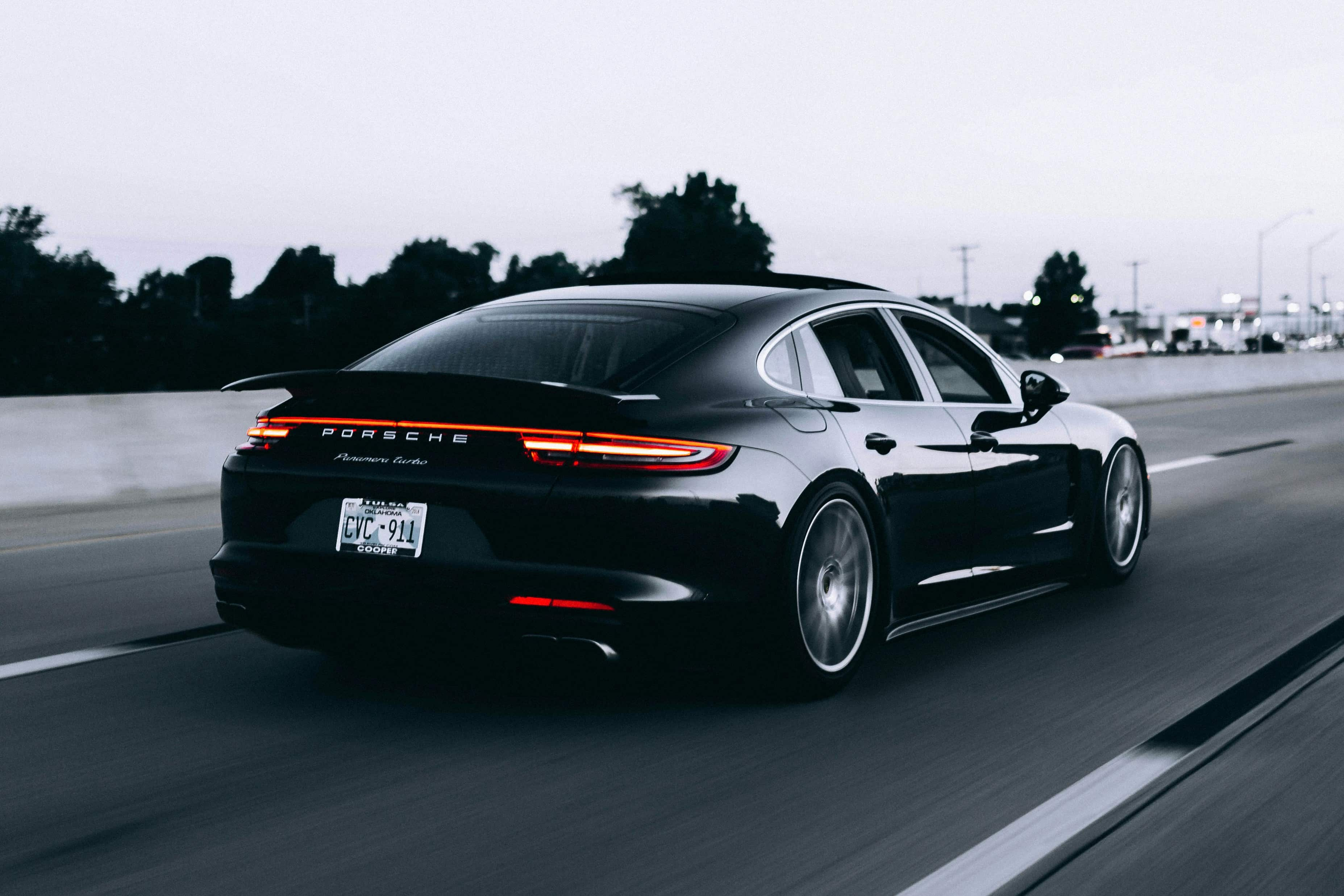
German carmakers most exposed to Chinese counter-tariffs (Photo: Unsplash)
China's potential retaliatory tariffs in response to the European Commission's proposed duties of up to 38.1% on Chinese-made electric vehicles pose a significant risk to European car manufacturers. Industry executives are voicing concerns over the possible countermeasures, which could further strain their competitiveness in China amidst growing domestic competition in the EV market.
German carmakers are particularly exposed, with trade data revealing that nearly a third of their 2023 sales were from China. While most vehicles sold in China are produced locally, high-end models are often imported from Germany.
Porsche, majority-owned by Volkswagen, is especially vulnerable since it imports all cars sold in China, accounting for 25% of its global sales. Data from the autos association VDA indicates that less than 5% of the 4.8 million vehicles delivered by Volkswagen, Porsche, BMW, and Mercedes-Benz to Chinese customers in 2023 were exports. Reports suggest that counter-tariffs might target cars with engines of 2.5 liters or larger, impacting around 1% of VW sales, 2% for BMW, 4% for Mercedes, and 17% for Porsche, according to Stifel Research. Given the high profit margins on these models, Stifel estimates the potential hit to German carmakers' operating profits could range from 4-10%.
Deliveries in China fell by 15% to 79,283 vehicles last year, with a further 24% drop in the first quarter of 2024, partly due to China's economic challenges. In response, Porsche is building a research and development center in Shanghai and introduced a customised Taycan model for the Chinese market at the Beijing auto show.
Volkswagen
Volkswagen has the least exposure to counter-tariffs, with only 2.5% of its cars sold in China being German-made, according to its full-year report. However, with aspirations to maintain and increase its market share from 14.5% to 15% against stiff local competition, any retaliatory actions could significantly impact the company. Volkswagen Group China, including Porsche and its joint ventures, sold over 3.2 million cars in 2023, with 3.06 million produced locally. Audi, Volkswagen’s premium brand, has a slightly higher import rate, with over 8% of its vehicles in China being imports.
Mercedes-Benz
China is Mercedes-Benz's largest market, accounting for around 36% of its unit sales, totaling just over 737,000 in 2023. Over 80% of these cars were locally produced, with the remainder imported. The GLE SUV and S-Class sedans are among the top three imported cars in China, along with the Porsche Cayenne, as per China Merchants Bank International data. Mercedes-Benz imports luxury models like the S-Class, GLC, G-Class, and Maybach from Europe and the USA to China, while smaller models like the A-Class, E-Class, and C-Class are built locally.
BMW
BMW derives nearly a third of its vehicle sales from China, totaling just over 826,000 units, with about 13% being imports, according to its annual report. Imported models include the i4, 7 Series, and 5 Series. The highly anticipated 'Neue Klasse' will be produced locally starting in 2026. BMW's Chinese-made cars are produced through joint ventures with Brilliance Automotive, in which it holds a 75% stake, and Great Wall Motor Co. These JVs also produce vehicles for export to Europe, such as the iX3 and an electric Mini, which will be subject to the European Commission's tariffs.
Other European Automakers
Volvo Car, majority-owned by China's Geely, generates 25% of its unit sales in China but only around 10% of its profits, according to HSBC analysts. Imported vehicles comprise about 4% of Volvo's Chinese sales, with the rest produced locally.
Stellantis has minimal exposure to the Chinese market, aside from a recent investment in Chinese EV maker Leapmotor, planning to export two EV models from China by year-end. All of Ferrari's sales in China are imports, representing just 9% of global sales, with growth primarily in the US. Ferrari, owned by Stellantis, could leverage its pricing power to offset tariffs.
Renault also has low exposure to China, operating through joint ventures with Jiangling Motors and Brilliance Auto, and a market share of roughly 3%. Its Dacia Spring EV is manufactured in China by Dongfeng. In May, Renault and Geely announced a joint venture to develop combustion and hybrid engines.
(with inputs from Reuters)
