Fisker seeks bankruptcy for bulk sale of Ocean EVs at a steep discount

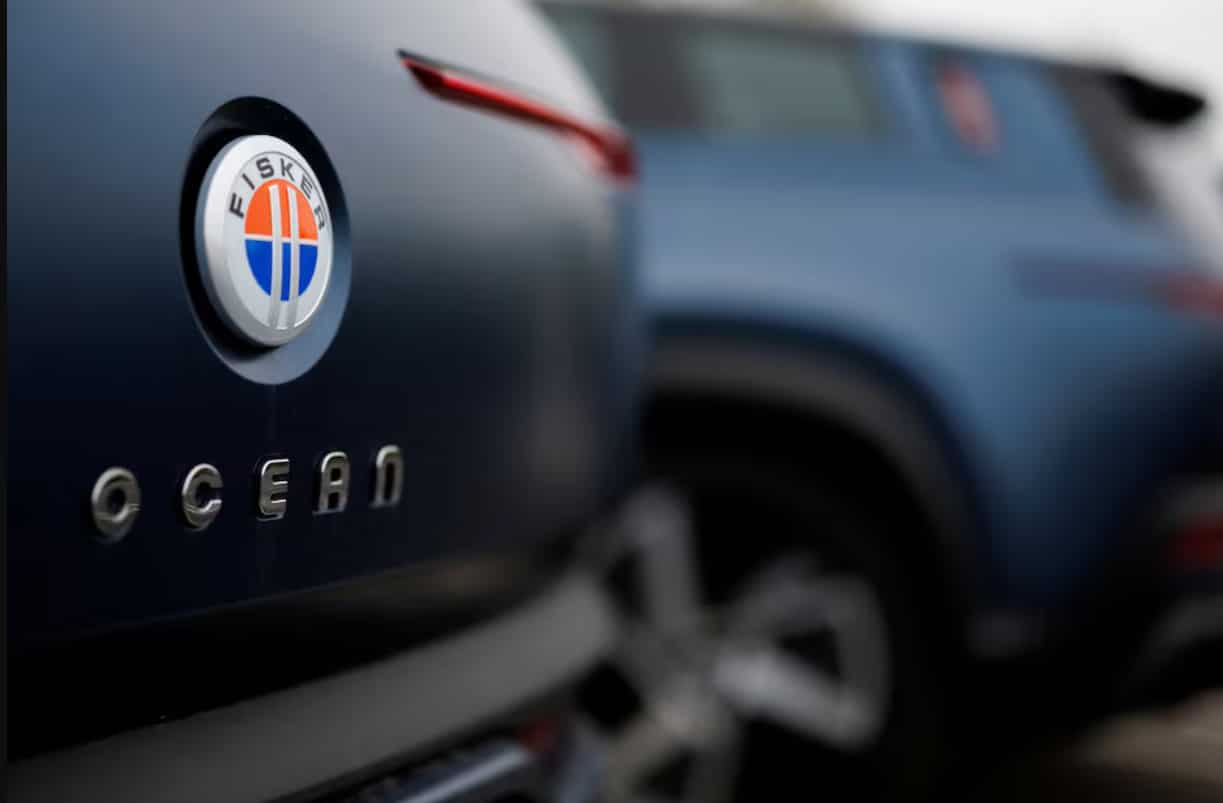
Fisker seeks bankruptcy for bulk sale of Ocean EVs
Fisker, the once-promising EV startup, has approached the bankruptcy court with an unusual request. The company, which filed for Chapter 11 bankruptcy protection last month, is seeking approval to sell a substantial portion of its Ocean electric SUV inventory at a dramatically reduced price.
According to court documents filed on Tuesday, Fisker is proposing to sell 3,321 Ocean electric SUVs to American Lease, a New York-based vehicle leasing company, for a total of USD 46.25 million. This translates to approximately USD 14,000 per vehicle, a stark contrast to the original pricing of some Ocean variants, which reached up to USD 70,000.
This move comes as Fisker grapples with severe financial difficulties that led to its bankruptcy filing. The company had been facing significant logistical challenges in selling its Ocean SUVs, prompting a shift to a dealer-partner model earlier this year. However, this strategic pivot came too late to stem the tide of financial losses, as Fisker had already burned through a substantial amount of cash.
The proposed sale to American Lease represents a last-ditch effort by Fisker to generate some capital from its unsold inventory. It's worth noting that prior to filing for bankruptcy, Fisker had already slashed prices on its cheapest Ocean variant to around USD 25,000 in an attempt to raise funds and meet its debt obligations. The current proposed sale price of USD 14,000 per unit underscores the desperate nature of Fisker's financial situation.
Interestingly, the roots of this deal can be traced back to May 30, just two weeks before Fisker's bankruptcy filing. At that time, American Lease had agreed to purchase 2,100 Ocean EVs. Subsequently, the leasing company increased its offer to acquire all 3,321 Ocean SUVs that were ready for sale, demonstrating confidence in the vehicle's potential despite Fisker's troubles.
American Lease's interest in the Fisker Ocean fleet aligns with broader trends in the transportation sector, particularly in New York City. The leasing company primarily serves rideshare drivers in and around the city, providing a fleet of vehicles for lease or rent. This acquisition could be strategically timed, given New York City's recent mandate requiring the transition of its rideshare fleet to either zero-emission vehicles or wheelchair-accessible vehicles by 2030.
The potential sale of Fisker's Ocean SUVs at such a reduced price raises questions about the future of the company and the broader electric vehicle market. While it represents a significant loss for Fisker, it could provide an opportunity for American Lease to offer affordable electric vehicles to rideshare drivers, potentially accelerating the adoption of EVs in urban transportation.
However, the deal is not yet finalised. It hinges on the approval of the bankruptcy judge overseeing Fisker's Chapter 11 proceedings. If approved, this sale could provide Fisker with much-needed liquidity as it navigates the bankruptcy process and potentially explores options for restructuring or selling the company.
This development also highlights the challenges faced by new entrants in the highly competitive and capital-intensive automotive industry, particularly in the electric vehicle sector. Fisker's journey from a promising startup to bankruptcy underscores the difficulties of scaling production, managing supply chains, and competing with established automakers in the EV space.

