EU new car sales hit highest level since 2019 amid shifting market dynamics

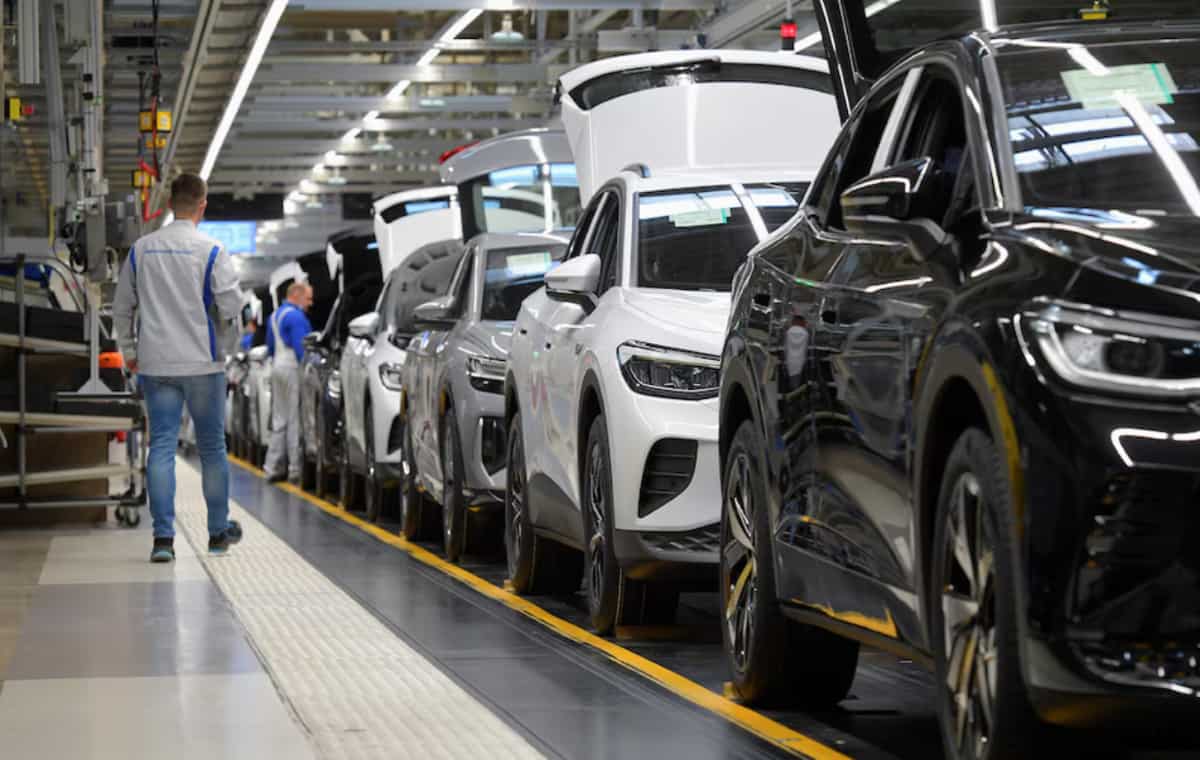
Volkswagen, Stellantis, and Renault— reported growth in their car registrations for June.
In June, new car sales in the European Union surged by 4.3%, reaching their highest level since July 2019. This increase was driven primarily by strong performances in major markets such as Italy, Germany, and Spain. However, while overall car sales saw a boost, registrations of battery electric vehicles (BEVs) experienced a slight decline, as reported by the European Automobile Manufacturers Association (ACEA).
Mixed Performance for Electric Vehicles
The ACEA data revealed that despite notable increases in BEV registrations in Belgium (50.4%) and Italy (117.4%), these gains were insufficient to counterbalance significant declines in Germany, the Netherlands, and France. This mixed performance highlights the uneven adoption of electric vehicles across different European markets.
Market Dynamics Influencing Sales
Several factors influence these market dynamics, including government incentives, consumer preferences, and economic conditions. For instance, Germany, which is the largest EV market in the EU, saw a decline in BEV registrations partly due to the early termination of subsidies for purchasing EVs as part of a last-minute 2024 budget deal. According to Lucien Mathieu, cars director at the European campaign group Transport & Environment (T&E), Germany's unpredictable incentives for EV adoption have hampered its progress, while other markets with stable incentives are benefiting.
Rise in Hybrid-Electric Car Sales
While BEV and plug-in hybrid car sales saw declines of 1% and 19.9% respectively, hybrid-electric cars experienced a significant growth of 26.4% in June. This trend suggests that consumers are increasingly favouring hybrid vehicles, which offer a balance between traditional combustion engines and electric power, over fully electric or plug-in hybrid models.
Shift Towards Hybrid Vehicles
The rise in hybrid-electric car sales reflects a transitional phase in the automotive market. Consumers may be opting for hybrids as a more practical and accessible option while the infrastructure and incentives for fully electric vehicles continue to develop. This trend could play a critical role in shaping the future of car sales in Europe.
Performance of Major Carmakers
The three largest carmakers in Europe—Volkswagen, Stellantis, and Renault—also reported growth in their car registrations for June. Volkswagen saw a 4.7% increase, Stellantis grew by 0.4%, and Renault experienced a 6.2% rise. These figures indicate a positive trend for these manufacturers, despite the broader challenges in the EV market.
Manufacturer Strategies and Market Positioning
The growth in registrations for these major carmakers suggests that their strategies to navigate the changing market dynamics are yielding results. Investing in a diverse portfolio of vehicles, including hybrids and traditional combustion engines, appears to be a prudent approach in the current market environment.
Future Outlook
Despite the recent dip in demand for electric vehicles, European carmakers remain optimistic about future sales. They are betting on a gradual recovery and sustained growth in the long term. The first half of the year saw a 1.3% increase in BEV registrations, indicating a steady, albeit slow, rise in electric vehicle adoption.
Long-Term Bet on EV Growth
Top European carmakers are maintaining a positive outlook for the future of EV sales. They anticipate that continued technological advancements, improved infrastructure, and favourable government policies will eventually lead to a more robust growth trajectory for electric vehicles.
Navigating a Complex Market
The rise in new car sales in the European Union, coupled with the fluctuating demand for electric vehicles, underscores the complexity of the automotive market. Government policies, consumer preferences, and economic conditions play crucial roles in shaping market trends. As carmakers and policymakers work towards a sustainable future, a balanced and adaptive approach will be key to navigating this evolving landscape.
The European automotive market is experiencing significant shifts, with rising new car sales and varying trends in electric vehicle adoption. While challenges remain, the industry is poised for continued growth and transformation.
(Inputs from Reuters)