Chinese Robotaxi firm WeRide gains California approval for passenger test rides

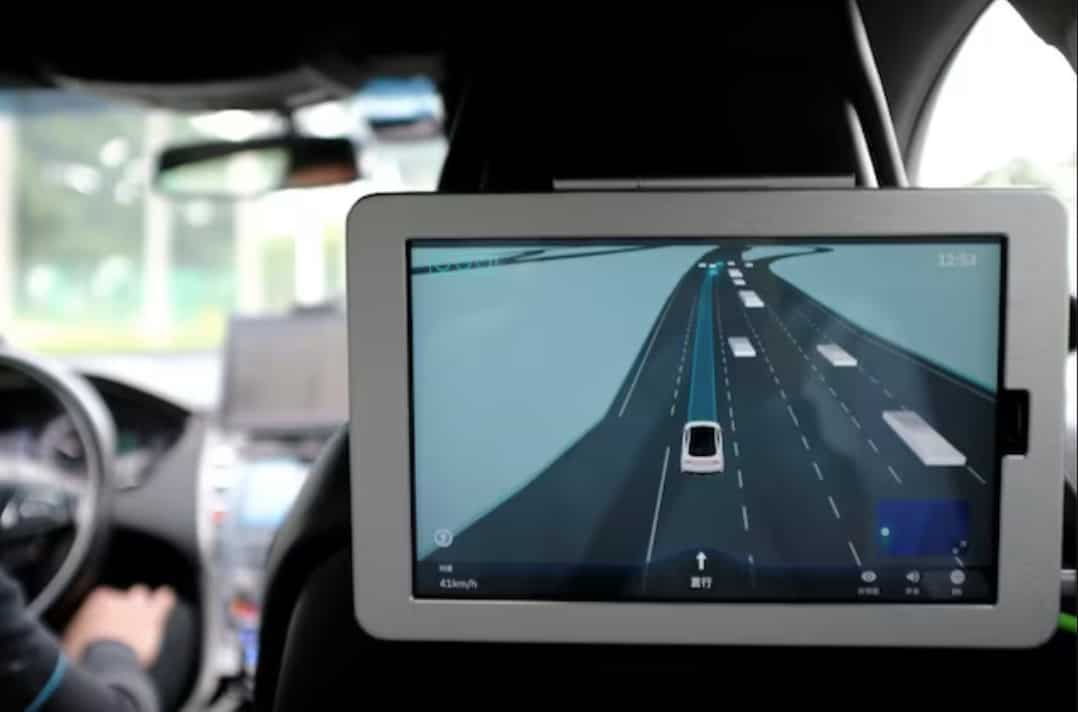
WeRide gains California approval for passenger test rides
Chinese startup WeRide has secured approval from California authorities to conduct passenger-carrying tests of its driverless vehicles. The California Public Utilities Commission (CPUC) granted WeRide a three-year permit earlier this month, allowing the company to transport passengers in both driver-operated and driverless test vehicles within San Jose and surrounding areas.
This milestone comes at a crucial time for WeRide, as the company reportedly seeks a valuation of up to USD 5 billion for its planned New York Initial Public Offering (IPO). However, the firm faces potential headwinds due to proposed U.S. regulations that could ban vehicles with China-developed systems, according to sources familiar with the matter.
Under the terms of the CPUC permit, WeRide is prohibited from offering rides to the general public or charging fares for its services. The company currently has 12 active vehicles in its California fleet, as confirmed by the CPUC in a statement to the media..

Founded in 2017, WeRide has been steadily expanding its presence in the autonomous vehicle market. The company first received permits to test vehicles without passengers in California in 2021 and has since obtained driverless permits in Singapore and the United Arab Emirates. WeRide's product lineup extends beyond robotaxis to include autonomous vans, buses, and street sweepers.
The U.S. autonomous vehicle landscape has proven challenging for both domestic and international companies. Regulatory hurdles, opposition from city agencies, and public concerns have complicated the development and commercialization of robotaxi services. Currently, Alphabet's Waymo stands as the only U.S. firm operating uncrewed robotaxis that collect fares, with a fleet of approximately 700 vehicles.
Other major players in the industry have faced setbacks. General Motors' Cruise division only recently restarted testing with safety drivers in April, following an incident last year where one of its vehicles struck a pedestrian.
)
US Supreme Court backs Trump administration's use of SAVE database to check voter citizenship
)
Beijing to Washington! Ivanka Trump makes a style statement in Chinese designer Guo Pei for President Xi Jinping’s White House welcome
)
Outrage erupts after 3-year-old is married to 60-year-old man in Pakistan, link to her sister's murder being probed
)
Trump gifts Xi a bald eagle sculpture at White House dinner: Here’s what it symbolises
)
‘Not just a local tragedy’: Nepal PM Shah warns UN of growing climate threat, says Nepal floods were 'a warning to the world'
)
India-New Zealand FTA is ‘an expression of trust’, NZ High Commissioner Patrick John Rata says
)
OpenAI AI Agents hacked 4 websites before Hugging Face, researchers reveal
)
Pentagon quietly adds 37 wounded troops to Iran war tally without explaining when or how
&im=FitAndFill=(700,400))
New Friday OTT releases (September 25, 2026): Don’t Be Shy, Hunkkaar: The Roar, Mango Pachcha- 6 movies and TV shows on Netflix, Prime Video and more
)
Watch: PM Modi joins Bhajan Clubbing event in Delhi on Deendayal Upadhyaya's birth anniversary
)
‘Attack on Mecca a red line for Pakistan’: Shehbaz Sharif warns Houthis at UN
)
Tesla is preparing something big for Optimus: new Gen 3 models surface in app
)
Bias or safety concerns? Bengaluru CEO says firm will not hire men from UP, Bihar, Rajasthan, MP. Here's why
)
Trump's welcome to Xi demonstrates 'attraction' to dictators: Chuck Schumer
)
Nigeria Navy moves to boost oil security, tackle crude theft and infrastructure threats
)
Scientists detect first radio signals directly from faraway planet
)
‘It is all possible’: Putin weighs next steps on Ukraine talks, rules out Europe conflict
)
Saudi Arabia, Turkey and Pakistan to hold urgent military talks amid intensifying Houthi attacks
)
Ex-Liverpool forward Mohamed Salah banned from driving in United Kingdom for six months
)
10,000 gather in support of 87-year-old forcefully evicted from home of 71 years
)
Meet Adrian Abraham: 9-year-old Indian-origin guitar prodigy aiming for a Guinness World Record
)
Red Sea crisis: Houthis promise not to target European ships; UNSC condemns Saudi attacks
)
'Blockbuster' nor'easter develops an eye similar to hurricanes as warnings are issued
)
Trump-Xi summit wrap: Big pageantry, Iran talks, few major developments and more meetings planned
)
'Making history': Xi Jinping praises Trump as US-China leaders dine at White House
)
'We do not wish to continue. It's America that must choose': Iran president Pezeshkian calls on US to end war
)
Exclusive | 'We always want to improve': Suruchi, Kamaljeet after winning Asian Games gold
)
Bollywood mourns Mushtaq Khan: Sunny Deol, Rajpal Yadav and others pay tribute
)
Myanmar training camp case: US national, 6 Ukrainians allowed to meet their families abroad
)
99.9% more powerful - Scientists find boy who can recall memories from just 3 months of age
)
'FIRST LOOK from inside Noah’s Ark': Researchers share video from inside mysterious mound in Turkey
)
Trump made 'final decision' to give Ukraine Patriot missile production license: Zelensky
)
WATCH | As Shehbaz Sharif claims Pakistan’s ‘victory’ during 2025 conflict, Indian diplomat R Srinivas laughs at UN
)
'Fund people, not bombs': Hundreds take to New York streets as Netanyahu delivers speech at UN; dozens arrested
)
Susan Sarandon and Hannah Einbinder detained by NYPD outside UN Headquarters
)
'A terrorist country is asking me that question?': Jaishankar hits back at Pakistani journalist at UN; flags attacks on commercial shipping
)
Army chief reviews operational preparedness along LoC, visits mega eye camp in Tangdhar
&im=FitAndFill=(700,400))
‘Absolutely savage, sickening’: Zelensky slams Russia as daytime strikes kill 5 in Kyiv
)
US court backs Pentagon's decision to exclude Anthropic over Claude AI restrictions
WeRide's entry into passenger testing in California represents a significant step for a Chinese company in the U.S. autonomous vehicle market. However, the firm may face additional scrutiny and potential regulatory challenges due to its Chinese origins, particularly in light of ongoing geopolitical tensions and proposed restrictions on China-developed automotive systems.
The autonomous vehicle industry continues to evolve rapidly, with companies racing to develop and deploy safe, reliable driverless technology. WeRide's progress in California could provide valuable insights into the performance and public acceptance of its autonomous systems, potentially bolstering its position ahead of its planned IPO.
As WeRide moves forward with its testing program, industry observers will be closely monitoring its performance, safety record, and ability to navigate the complex regulatory environment in the United States. The company's success or challenges could have broader implications for international collaboration and competition in the autonomous vehicle sector.
The coming months will be critical for WeRide as it balances its technological advancements, regulatory compliance, and strategic business goals in an increasingly competitive and scrutinised market. The outcome of its California testing program and its ability to address potential regulatory concerns will likely play a significant role in shaping the company's future in the U.S. market and its global expansion plans.

