China explores retaliatory measures as EU nears decision on EV tariffs

China explores retaliatory measures as EU nears decision on EV tariffs
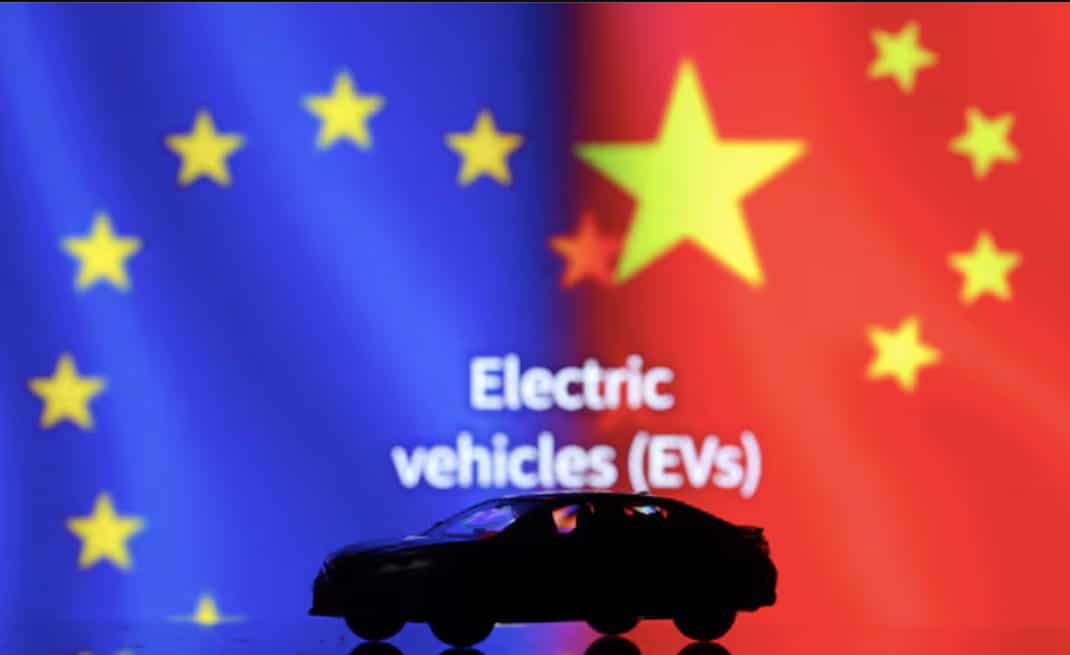
China's Commerce Ministry convened a meeting with automakers and industry associations on Friday to discuss the possibility of increasing import tariffs on large-engined gasoline vehicles. This development comes as the European Union approaches a critical vote on imposing additional duties on Chinese-made electric vehicles (EVs), highlighting the intricate dance of international trade negotiations and potential retaliatory measures.
The 27-member EU bloc is scheduled to vote in October on whether to implement supplementary duties of up to 36.3% on Chinese-manufactured EVs, in addition to its standard 10% import tariff. This proposed action has been a source of significant concern for Beijing, despite a recent downward revision from the initially suggested 37.6% rate set in July.
In response to the EU's stance, China has already expanded its investigations into imported EU products. On Wednesday, Beijing announced the addition of an anti-subsidy probe targeting various cheese, milk, and cream goods, complementing existing anti-dumping checks on pork and brandy. This move is widely interpreted as a direct counter to the EU's potential tariff implementation.
During Friday's meeting, the Chinese Commerce Ministry stated that officials "listened to the opinions and suggestions of industry, experts, and scholars on raising the import tariffs on fuel-powered cars with large displacement engines." The gathering included representatives from relevant industry associations, research organisations, and automakers, underlining the comprehensive approach China is taking in formulating its response.
The prospect of China raising import tariffs on large-engined gasoline vehicles was first hinted at by the state-owned tabloid Global Times in June. Such a measure would disproportionately affect Germany, whose exports of vehicles with engines of 2.5 litres or larger to China were valued at USD 1.2 billion in the previous year, according to Chinese customs data.
Behind the scenes, China has been actively engaging with EU member states in an effort to counter the proposed EV tariffs. The European Commission, which oversees the bloc's trade policy, cannot implement the duties if a qualified majority of 15 EU members representing 65% of the EU population vote against them. In a July advisory vote, Germany, Finland, and Sweden abstained from backing the tariffs' permanent adoption, while France, Italy, and Spain supported the proposed measures.
The potential imposition of these tariffs by the EU and China's contemplated countermeasures highlight the complex interplay of economic interests and trade policies in the global automotive sector. As the world's largest auto market and a key player in the EV industry, China's actions could have far-reaching implications for international automakers and the broader global trade landscape.
This situation underscores the delicate balance that nations must strike between protecting domestic industries and maintaining open trade relationships. The outcome of the EU's October vote and China's subsequent actions will be closely watched by industry stakeholders and policymakers alike, as they could set precedents for future trade negotiations and potentially reshape the competitive landscape of the global automotive industry.

