ChargeZone launches Battery Passport System for commercial EV batteries

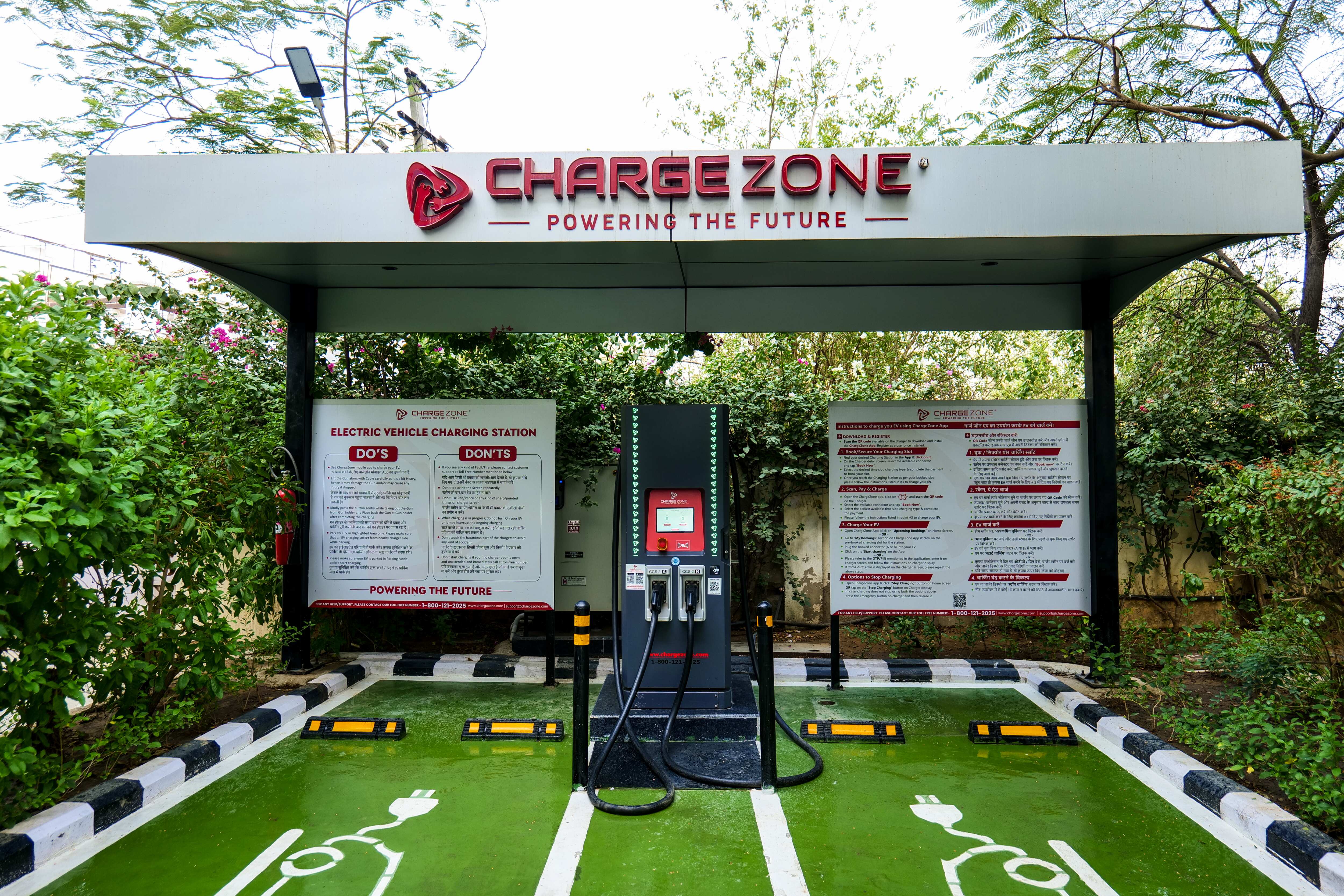
ChargeZone launches Battery Passport System for commercial EV batteries
Electric vehicle (EV) charging network ChargeZone has launched its Battery Passport System, a digital record that tracks a battery’s life cycle from battery manufacturing to end of life. This system seeks to change the way stakeholders in the EV battery ecosystem interact with each other, by achieving transparency and efficiency.
The Battery Passport System shifts from linear to circular economies by creating a level playing field for all stakeholders in the EV battery ecosystem. It will also optimise the battery value for all stakeholders including EV buyers, manufacturers, economic operators and recyclers.
ChargeZone will also provide a Battery-as-a-Service (BaaS) support for the deployment of large commercial EVs including buses and trucks as a key feature of the system. Under this model, ChargeZone will absorb the battery costs up front, and will offer pricing based on pre-determined mileage, and will offer reliable performance metrics. In addition, the system will provide a means for battery repurposing and recycling while monitoring critical battery attributes through real time.
Having a Battery Passport System upon us to shape the future of EVs in India is something we are really excited about, said Kartikey Hariyani, Founder and CEO of ChargeZone. Developing such a user-oriented system does not only embed financial engineering aspect of separating EV and battery costs, he added, but making the system financially viable for users. Initial target applications focus on electric buses with 200KWh battery capacity, and are in future, long term contracting is expected to provide Charging as a Service (CaaS) and Energy as a Service (EaaS) in the rapidly developing electric bus market.
They are spreading the word on what they call a system that is fully comprehensive, industrial IoT 5.0 platform built on accuracy, security and ease of access of battery data, said Ravindra Mohan, Group Director at ChargeZone. The Battery Passport System handles data verification all the way to legal compliance when it comes to EV disassembly.
With India's EV sector rapidly growing, the demand for battery storage is expected to rise significantly. Projections suggest the country’s cumulative battery storage capacity could reach 600 GWh by 2030, driven by a government push to add around 500 GW of renewable energy capacity. This underscores the urgent need for innovative energy storage solutions to support the transition to electric mobility and sustainability.
