Audi to drop four-ring logo on new series of Chinese EVs

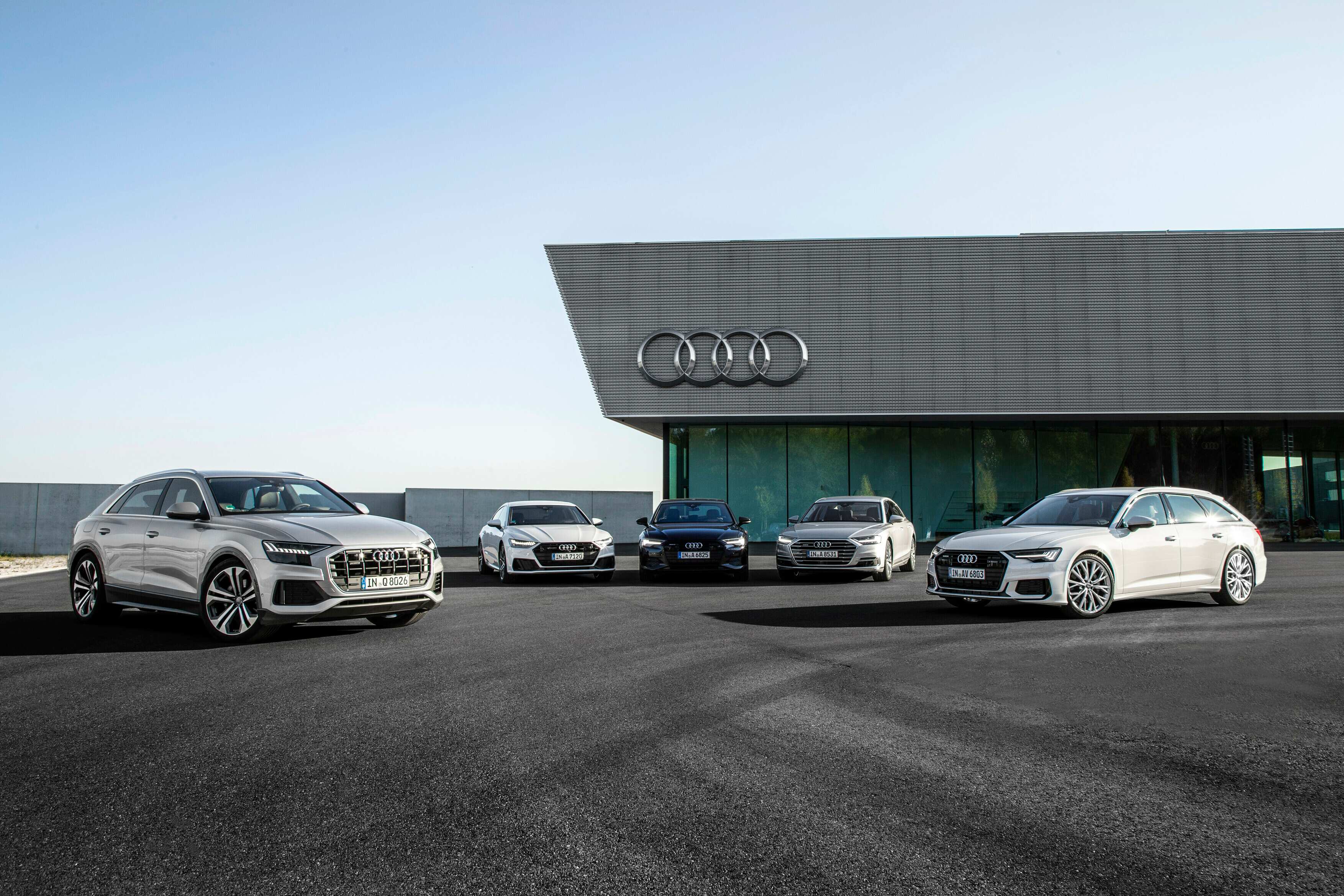
File photo of Audi
Audiis preparing to launch a new series of electric vehicles (EVs) specifically developed for the Chinese market.In an unexpected move, these new models will not feature Audi's iconic four-ring logo, according to two sources with direct knowledge of the plans.
This decision stems from "brand image consideration," as asource explained. It also reflects the increased collaboration with Chinese partner SAIC in co-developing the automotive architecture for these vehicles, as well as a greater reliance on local suppliers and technologies. The exact details of how these vehicles will be branded remain unclear, with no information available on whether a different logo will be used or if the cars will simply carry the Audi name without any logo.
The new EV series, known internally as "Purple," is set to be unveiled in November with a concept car. At this event, Audi plans to explain the "brand story" behind the series. According to a third source briefed on the matter, Audi aims to introduce nine models under this series by 2030.
When approached for comment, Audi declined to address what it termed as speculation. However, SAIC, Audi's Chinese partner, assured that these EVs would be "true Audi with authentic Audi DNA."
This move by Audi comes in response to the changing dynamics of the Chinese automotive market, which is the world's largest. Chinese carmakers have been gaining market share with their technologically advanced EVs, leading to declining sales for foreign automakers who have traditionally relied more on gasoline-powered models. This shift has prompted many international car companies to form new partnerships and adapt their strategies.
In May, Audi and SAIC announced their collaboration to jointly develop an EV platform specifically for the Chinese market. This approach allows foreign automakers like Audi to better understand and cater to Chinese consumer preferences while also familiarizing themselves with the latest EV features. Industry expert Yale Zhang, managing director at Shanghai-based consultancy Automotive Foresight, suggests that carmakers like Audi and Volkswagen may conduct further research before adapting these models for other markets.
The need for such a strategy is evident in Audi's recent sales figures. In the first half of 2024, Audi sold fewer than 10,000 EVs in China, while domestic premium EV brands like Nio and Zeekr each sold approximately eight times more units.
The "Purple" series will incorporate various Chinese technologies and components. It will use batteries from CATL, a leading Chinese battery manufacturer, and an advanced driving assistance system (ADAS) from Chinese tech startup Momenta. Additionally, the electrical architecture of SAIC's EV brand IM Motors will be utilized in this series.
Audi's parent company, Volkswagen, has also been seeking to leverage Chinese EV expertise. Earlier this year, VW reached an agreement with Chinese automaker Xpeng, which will see all locally produced VW-branded EVs use architecture co-developed with the Chinese firm.
It's important to note that Audi's existing EV models sold in China will continue to sport the familiar four-ring logo. These include the Q4 e-tron (produced with joint venture partner FAW), the Q5 e-tron SUV (made with SAIC), and the upcoming Q6 e-tron (to be manufactured with FAW). The Q6 e-tron, set to launch later this year, will be Audi's first vehicle to use Volkswagen's advanced premium platform electric architecture and will feature an ADAS system supplied by Huawei.
This strategic move by Audi underscores the complexities and challenges faced by global automakers as they navigate the rapidly evolving and highly competitive Chinese EV market. It represents a significant departure from traditional branding strategies and highlights the importance of local partnerships and technologies in achieving success in this crucial market.