Audi contemplates early discontinuation of Q8 EV

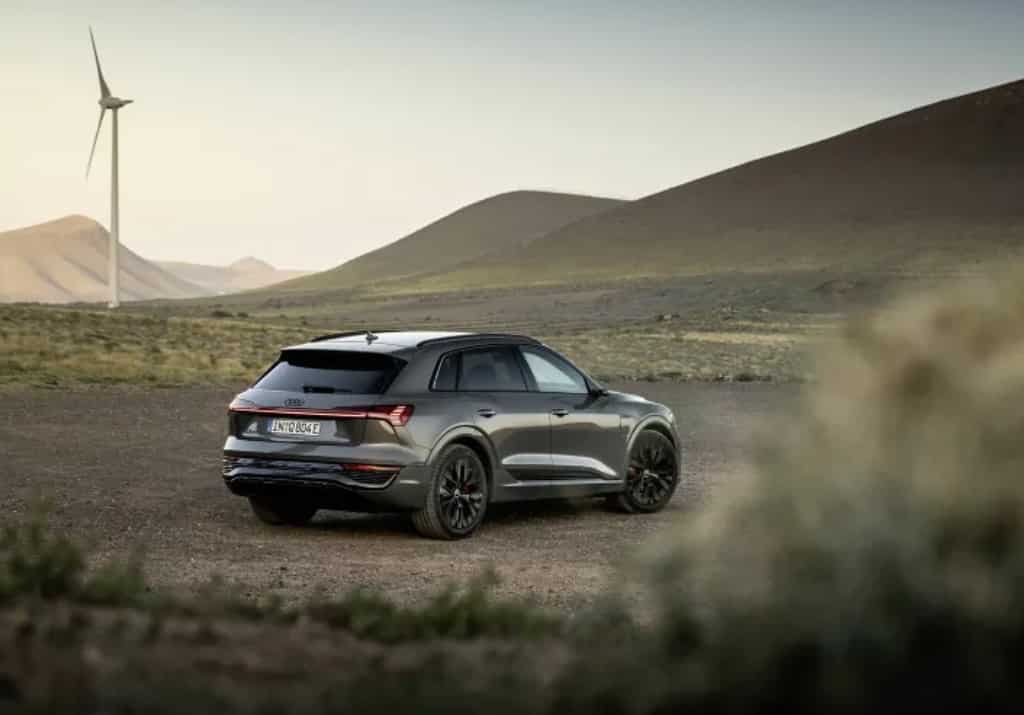
Audi contemplates early discontinuation of Q8 EV
Audi, the German luxury automaker, is facing a critical decision regarding the future of its Brussels manufacturing facility and the production of its Q8 e-tron electric SUV. The company has recently announced its intention to restructure operations at the Belgian plant, citing a significant decrease in demand for the electrified Q8 model.
The automaker has observed what it describes as a "segment-specific intensified drop in demand" for the Q8 e-tron, prompting a reevaluation of its production strategy. This decline in sales has raised concerns about the viability of continuing operations at the Brussels site, which has been a cornerstone of Audi's manufacturing network for years.
Audi's statement suggests that the company is exploring various options, including the possibility of ceasing operations at the Brussels facility if a suitable alternative cannot be found. This potential closure could have far-reaching implications, potentially affecting the livelihoods of approximately 3,000 employees.
The challenges faced by Audi are not unique within the Volkswagen Group. Porsche, another premium brand under the VW umbrella, has also experienced a slowdown in demand for its flagship electric vehicle. However, while Porsche appears to be doubling down on its electrification efforts, Audi's approach in Belgium seems more cautious and complex.
Several factors contribute to the current situation. Audi points out that newer electric vehicle models built on Volkswagen's Premium Platform Electric (PPE) may be drawing customers away from the Q8 e-tron, which was Audi's first foray into the all-electric SUV market. Additionally, the Brussels plant itself presents unique challenges. Its urban location limits expansion possibilities and contributes to higher operating costs compared to more modern facilities.
It's worth noting that the traditional, combustion-engine Q8 model continues to perform relatively well in the market. This contrast suggests that the issues are primarily centred around the electric e-tron variant, reflecting broader industry challenges in EV adoption and market positioning.
In compliance with Belgian law, Audi has initiated an "information and consultation process" regarding the potential restructuring. This legal requirement ensures transparency and allows for dialogue between the company and its workforce, even if no final decisions have been made.
Volker Germann, CEO of Audi Brussels, acknowledged the gravity of the situation, stating, "The announcement of the intention does not mean that a decision has been made. Nevertheless, this news has been felt very profoundly by the employees in Brussels and by me too. A transparent and constructive dialogueis important in the process that will follow. We will take all perspectives into account."
While Audi is actively developing a successor to the Q8 e-tron, industry rumours suggest that this new model may utilise a shared EV platform that could be more easily manufactured at other locations. This possibility adds another layer of uncertainty to the future of the Brussels plant.

